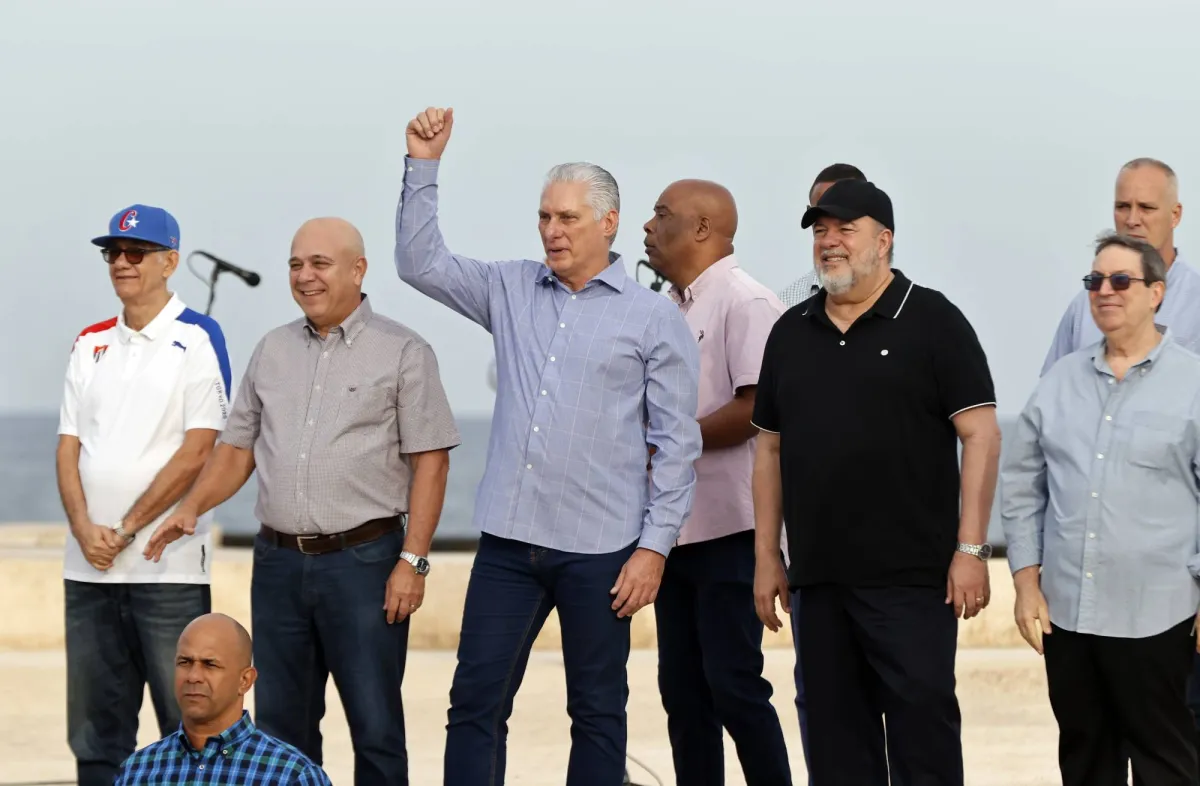
Cuban authorities have announced a comprehensive amnesty for 2010 prisoners, a humanitarian step coinciding with the celebrations of Holy Week among Christians. This decision comes at a time when pressures from the administration of U.S. President Donald Trump are escalating, with the U.S. labeling the Cuban regime as a "failed" one and demanding radical changes in Havana.
The Cuban amnesty is the fifth of its kind since 2011, with over 11,000 prisoners released during this period. However, Cuban authorities have not disclosed the identities of the prisoners included in the amnesty or the crimes they committed, raising questions about the comprehensiveness of this decision.
Details of the Amnesty
In an official statement, the Cuban presidency indicated that the amnesty was based on the nature of the crimes, good behavior in prison, as well as health reasons and the length of sentences. It was emphasized that the amnesty does not include those convicted of serious crimes such as murder, sexual assaults, and drug offenses.
Among the prisoners to be released are young people, women, and individuals over the age of 60, with expectations that they will be freed within the next six months to a year. The government clarified that this decision aligns with religious celebrations and reflects the humanitarian legacy of the Cuban revolution.
Background & Context
Historically, the United States has demanded the release of political prisoners in Cuba as a condition for improving relations between the two countries. In recent years, Cuba has faced increasing pressures from Washington, particularly under the Trump administration, which has taken a hardline stance against the communist regime on the island.
Last March, Cuba announced the release of 51 prisoners as part of a goodwill initiative towards the Vatican, which plays a mediating role between Washington and Havana. However, not all announced prisoners were released, further fueling doubts about the intentions of the Cuban government.
Impact & Consequences
This move comes at a sensitive time, as economic pressures on Cuba are mounting due to the U.S. embargo, leading to severe shortages of fuel and essential resources. The Trump administration allowed a Russian oil tanker to reach Cuba, a step that may reflect a shift in U.S. policy towards the island.
Some analysts believe that this amnesty could be an indication of the Cuban government's desire to improve its image before the international community, especially amid increasing criticisms from human rights organizations accusing it of suppressing dissent and detaining political prisoners.
Regional Significance
The issue of Cuba is part of the broader political landscape in Latin America, where tensions are rising between leftist and right-wing regimes. These developments may affect relations between Arab countries and Cuba, especially given the historical ties between some Arab nations and Cuba.
Ultimately, the question remains about the impact of this amnesty on the future of relations between Cuba and the United States, and whether this step will lead to real changes in Cuban policy.