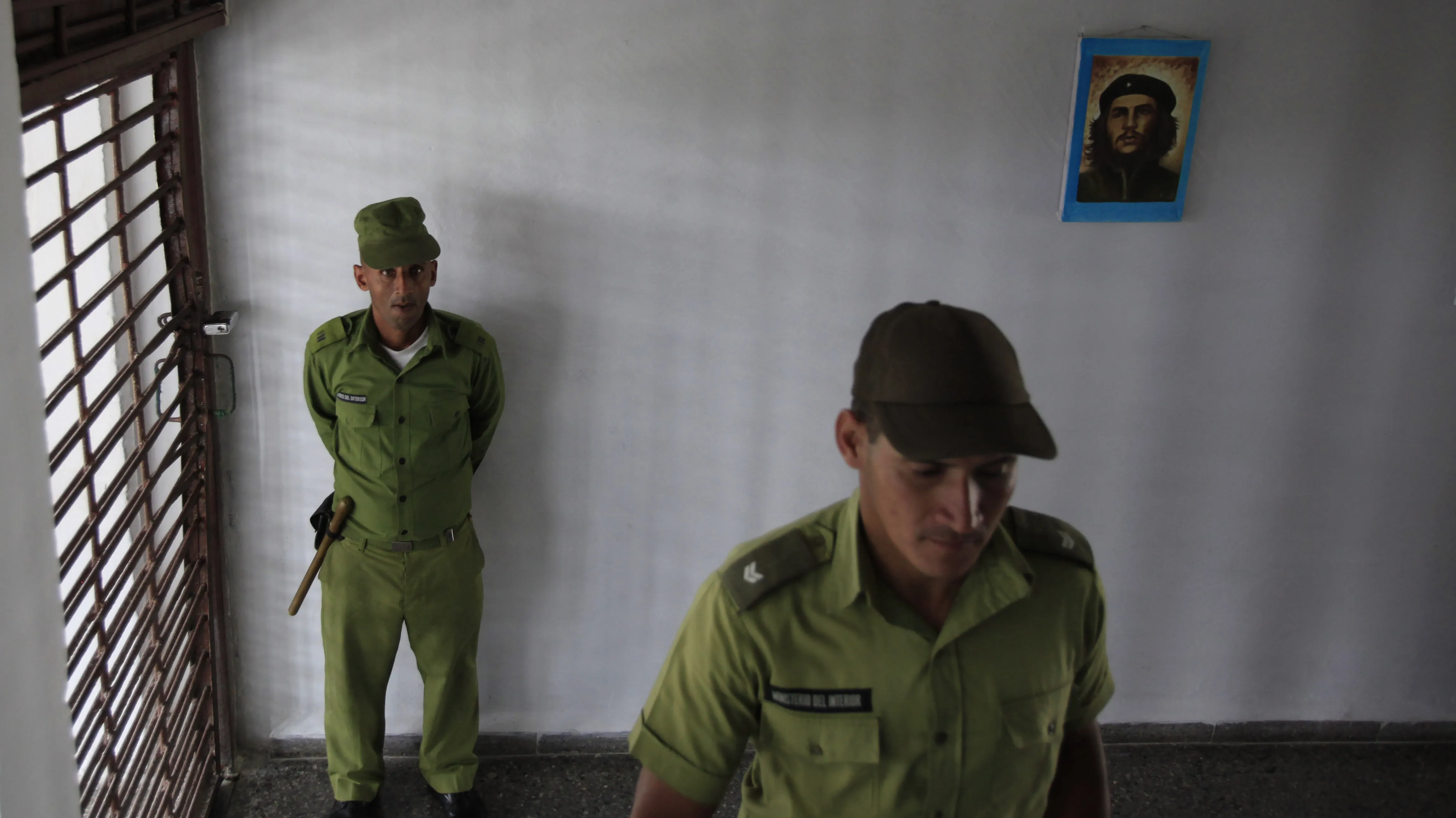
Cuba has initiated the release of several prisoners under close monitoring from human rights organizations and the U.S. government. This decision comes at a sensitive time as the country faces increasing international pressure regarding human rights. The announcement of this step comes amidst growing international criticism of Cuba's human rights record.
This move follows a series of protests that have taken place in Cuba in recent years, where citizens have demanded improvements in living conditions and the lifting of restrictions on freedoms. The Cuban government has shown its responsiveness to these demands by releasing some prisoners, reflecting its desire to improve its image before the international community.
Details of the Event
Reports indicate that the Cuban government has already begun releasing a number of political prisoners, a step that may be seen as a response to international pressures. The government has specified the number of prisoners to be released, but it has not disclosed the names or the total number of prisoners who will benefit from this decision.
This step comes at a sensitive time, as human rights organizations are closely monitoring the situation in Cuba. These organizations have expressed concern over the continued violations of human rights in the country and have called on the Cuban government to take more serious steps to improve the human rights situation.
Background & Context
Historically, Cuba has faced numerous political and economic crises, exacerbating social conditions. Since 1959, when Fidel Castro came to power, the country has encountered significant challenges, including the economic blockade imposed by the United States. This blockade has greatly impacted the Cuban economy, leading to shortages of basic goods and rising poverty rates.
In recent years, Cuba has witnessed widespread protests, with citizens taking to the streets to demand better living conditions and the lifting of restrictions on freedoms. These protests have served as a wake-up call for the government, prompting it to reconsider its policies regarding human rights.
Impact & Consequences
The release of prisoners could have positive effects on Cuba's image in the international community. If the government can improve its human rights record, it may lead to a reduction in international pressures and an increase in economic support. However, the question remains whether this step is sufficient to meet the demands of citizens and the international community.
On the other hand, this move may increase pressure on the Cuban government to make further concessions. If violations continue, the international community may take more severe actions, which could negatively affect the Cuban economy.
Regional Significance
The issue of human rights in Cuba serves as an example of the challenges faced by many countries in the Arab region. Many Arab nations suffer from human rights violations, making it essential for them to learn from international experiences. Cuba's experience in releasing prisoners could serve as a lesson for Arab countries on the importance of responding to the demands of their people.
In conclusion, there is hope that this step will lead to improved conditions in Cuba and enhance human rights. Responding to citizens' demands may be the key to achieving stability and development in the country.