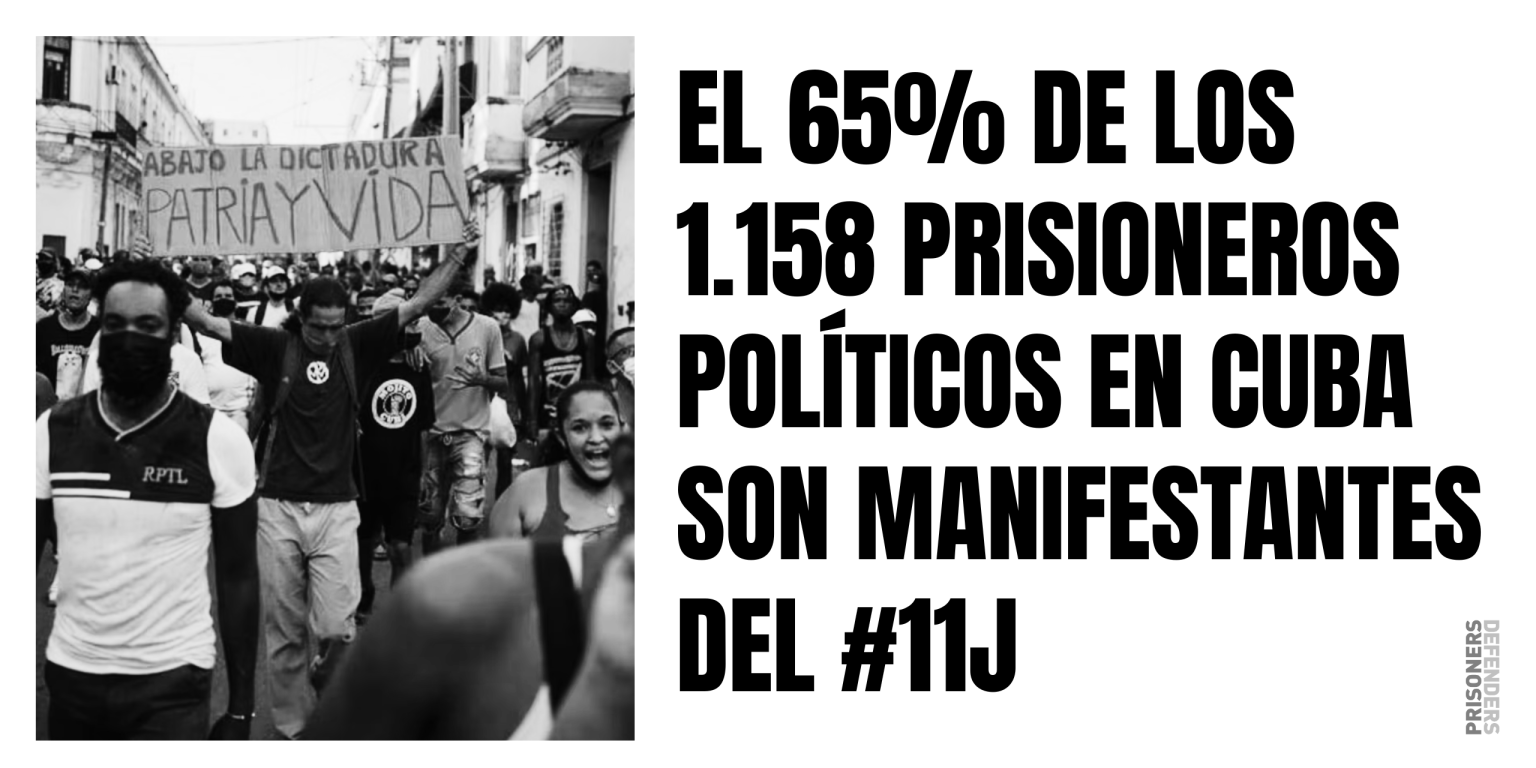
Cuba celebrated the release of several prisoners, with an atmosphere of joy and happiness among those freed and their families. Meanwhile, human rights organizations continue to pressure the Cuban government to demand the release of protesters who were arrested during the protests that erupted last year.
These events come at a sensitive time for Cuba, as the country faces increasing economic and social crises, leading thousands of citizens to take to the streets to demand change. Despite the release of some prisoners, concerns remain about the fate of many protesters who are still behind bars.
Details of the Event
In recent days, those released have celebrated their return home, expressing feelings of joy and gratitude. These prisoners were released as part of the government's efforts to improve its image before the international community, especially amid increasing pressure from human rights organizations.
Despite this positive step, human rights organizations such as Human Rights Watch and Amnesty International have expressed concern over the continued detention of many protesters. These organizations have called on the Cuban government to clarify its position regarding these detainees and to release them immediately.
Background & Context
Cuba witnessed widespread protests against the government in July 2021, as citizens took to the streets to protest deteriorating economic conditions and shortages of basic goods. These protests were met with severe repression from the authorities, resulting in the arrest of hundreds of protesters.
The political history of Cuba is fraught with tensions, as the country suffers from strict economic sanctions imposed by the United States, significantly impacting the daily lives of citizens. Nevertheless, the Cuban government strives to maintain its stability, even if it means taking repressive measures against dissenters.
Impact & Consequences
These events represent a real test for the Cuban government, which must balance internal and external pressures. The release of prisoners may be a step towards improving relations with the international community, but the continued detention of protesters could intensify criticism.
These developments are likely to affect the political situation in Cuba, as they may encourage more citizens to demand their rights. Additionally, international pressures may play a role in pushing the government towards reformative steps.
Regional Significance
Cuba serves as an example of how economic and political crises can impact social stability. In the Arab region, we have witnessed similar cases where citizens took to the streets to demand change. These events remind us of the importance of human rights and fundamental freedoms, which remain sensitive topics in many Arab countries.
In conclusion, Cuba remains in the spotlight as eyes await the outcomes of upcoming events. Will the government respond to the demands of the protesters? Or will it continue its policy of repression? Only time will tell.