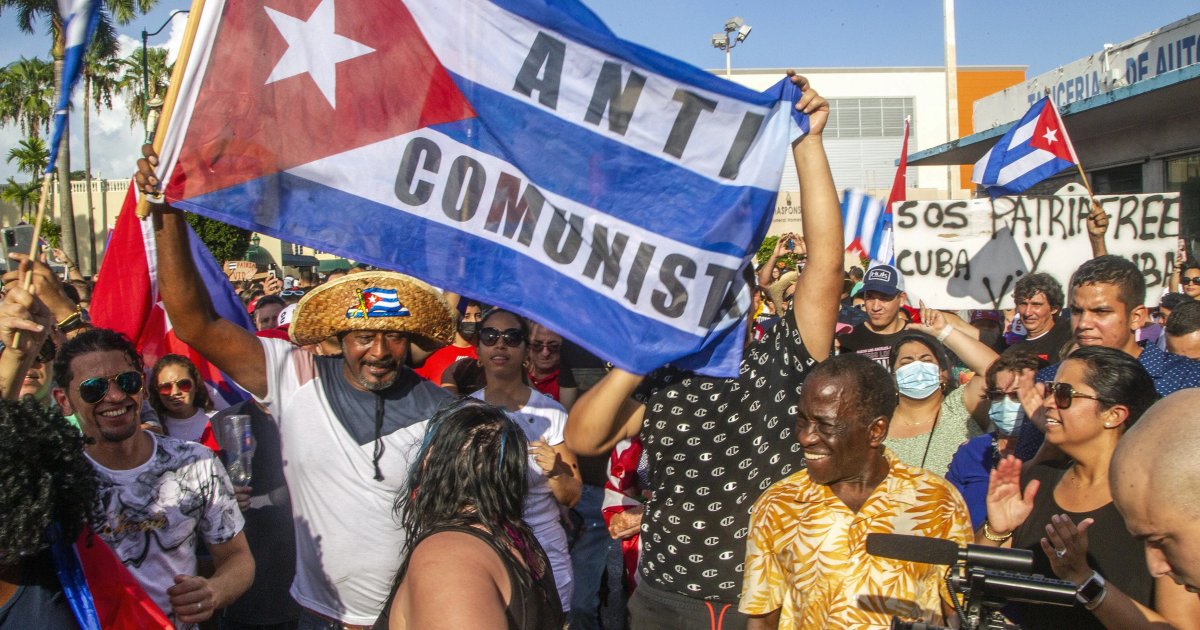
Cuba is grappling with a severe humanitarian crisis as a result of the ongoing U.S. blockade, which has significantly impacted all aspects of daily life. Repeated threats from President Donald Trump have exacerbated the situation, as the U.S. government seeks to overthrow the Cuban regime through stringent punitive measures.
Reports indicate that Cuba is following a path similar to that experienced by Iraq during its 13-year blockade. Iraqis were deprived of food and medicine, leading to the deaths of approximately 1.5 million people, according to estimates from various international organizations.
Details of the Event
Oil supplies to Cuba have been cut off since the end of January, following the U.S. military operation in Venezuela. Trump has successfully intimidated countries like Mexico, which previously supplied Cuba with 44% of its oil needs, further intensifying the crisis.
Since the socialist revolution in Cuba in 1961, the United States has aimed to change the regime in Havana by imposing strict economic sanctions. With the arrest of Nicolás Maduro, the President of Venezuela who provided Cuba with one-third of its oil needs, Cuba finds itself in an even tighter blockade.
Background & Context
Washington claims that the Cuban government monopolizes resources, while Trump demands an agreement with Havana. Recently, the U.S. president hinted at the possibility of using military force, escalating tensions between the two nations.
In recent weeks, the White House has downgraded its focus on the Cuba issue amid its preoccupation with the war against Iran, yet there remains a determination to change the political and economic system on the island.
Impact & Consequences
Approximately 11 million Cubans are suffering from prolonged power outages, affecting schools, hospitals, and transportation. This has led to warnings of famine risks, as Cuba's electricity grid has collapsed twice in less than a week.
Data from The New York Times indicates that Cuba is facing a suffocating humanitarian crisis with dwindling fuel supplies, resulting in garbage accumulation and rising food prices. Hospitals have also ceased performing surgeries due to power outages.
Regional Significance
Cuba represents another example of U.S. policy aimed at subjugation through blockades, raising concerns about the potential repetition of the Iraqi scenario in other countries. The deterioration of humanitarian conditions in Cuba could provoke international reactions and increase pressure on the United States.
At the end of last month, a Russian oil tanker arrived in Cuba, but the amount allowed in may not be sufficient to address the energy crisis. Additionally, Cuba has granted amnesty to over 2,000 prisoners, which could be seen as a positive step in negotiations with Washington.