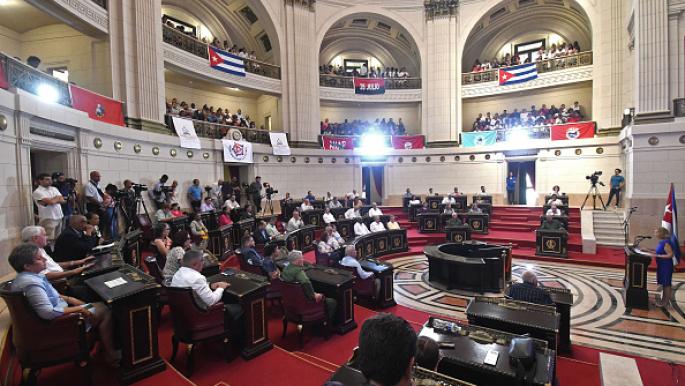
Cuban Deputy Foreign Minister Josefina Vidal has warned that the threat of U.S. military aggression against Cuba is on the rise. This statement reflects growing concerns in Cuba regarding U.S. policies, especially in light of escalating geopolitical tensions in the region. The relationship between Cuba and the United States has seen significant fluctuations since the Cuban Revolution in 1959, with Cuba always under the threat of American military intervention.
Vidal's warnings come at a sensitive time, as fears of a potential military escalation are increasing, particularly following a series of military exercises conducted by the United States in the Caribbean region. Reports also indicate a rise in American military activity in the area, which raises alarms for the Cuban government.
Details of the Situation
In this context, Vidal emphasized that Cuba will remain vigilant against any movements that could threaten its sovereignty. She also called on the international community to support Cuba in facing these threats, stressing the importance of dialogue as a means to resolve conflicts.
Historically, Cuba has been the target of numerous hostile policies from the United States, ranging from the economic blockade imposed decades ago to attempts at military intervention. There was a slight improvement in relations during the administration of former U.S. President Barack Obama, but tensions escalated again after Donald Trump took office.
Background & Context
Cuba is part of a resistance axis against American influence in Latin America, where many countries in the region seek to enhance their sovereignty and independence from U.S. hegemony. This context makes Cuban warnings particularly significant, reflecting fears of a return to hostile policies.
If tensions continue to escalate, they could lead to serious repercussions for regional security. Any U.S. military movements could impact the stability of the entire region, raising concerns among neighboring countries. Furthermore, any potential aggression could provoke strong reactions from the Cuban government, complicating the situation further.
Impact & Consequences
Moreover, the escalation of tensions could affect relations between the United States and other Latin American countries, as these nations may express solidarity with Cuba in the face of any threats. Such solidarity could lead to strengthened regional alliances against American influence.
The events in Cuba are particularly significant for the Arab region, as they reflect the geopolitical conflicts many Arab countries are experiencing. Just as Cuba strives to maintain its sovereignty, Arab nations are also seeking to confront the challenges posed by major powers.
Regional Significance
Understanding how Cuba deals with external threats can provide important lessons for Arab countries on how to enhance their sovereignty and protect their interests amid international pressures.
In conclusion, Cuba's warnings of U.S. military aggression serve as a reminder of the importance of dialogue and diplomacy in resolving conflicts, and the necessity of strengthening solidarity among nations facing similar threats.