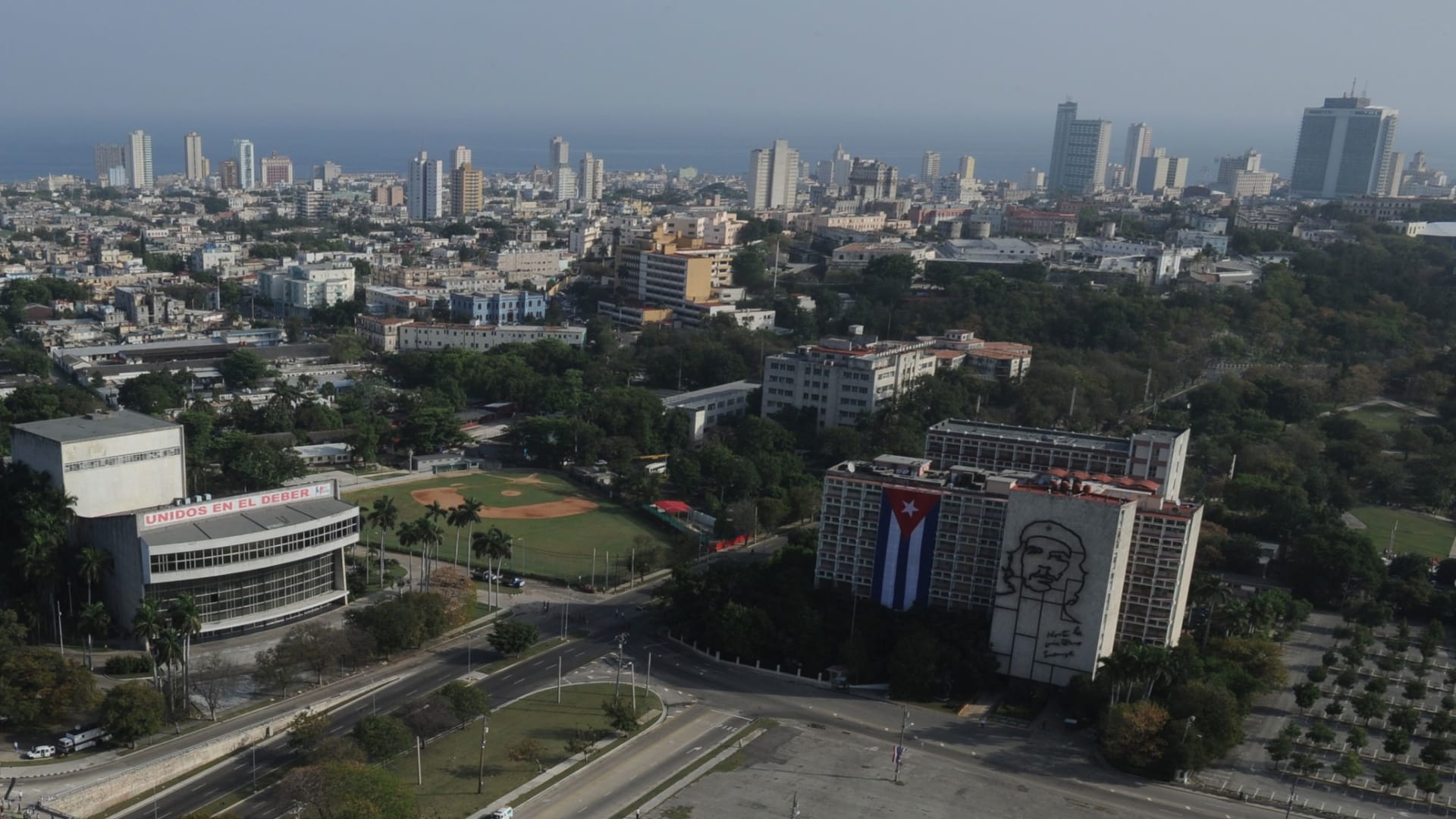
Cuban authorities restored electricity partially to the capital Havana on Sunday after the country experienced a complete collapse of the national grid, marking the second such occurrence in a week. This outage poses significant challenges amid an unprecedented energy crisis hitting the Caribbean island, casting a shadow over the lives and businesses of its residents.
In detail regarding the crisis, the Cuban Electric Company, UNE, announced that power had returned to approximately 500,000 homes and establishments, representing about 55% of total facilities in the capital, including support for 43 hospitals. This improvement came after the grid failure that occurred on Saturday evening due to the malfunctioning of the major Nuivitas station in the Camagüey province, which cut off electricity for about 10 million people.
Details of the Event
As gradual improvements in internet and mobile services begin, technical teams are preparing to restart Cuba's largest oil-fired power plant. Production is expected to reach higher levels by the end of the day, potentially easing the severity of the current crisis that has severely impacted citizen lives and their daily struggles.
It is worth noting that the energy crisis in Cuba occurs within a complex political and economic context, as the United States imposes an oil embargo on the country, exacerbating crises in energy and infrastructure sectors. Observers predict that the consequences of this collapse will further worsen economic conditions in the country, especially as operational processes restart.
Background & Context
The American embargo, initiated under former President Donald Trump, is one of the root causes of the crisis. The United States has adopted strict measures, including preventing oil access to Cuba, since the ousting of Venezuelan President Nicolás Maduro last January. Venezuela was previously considered the lifeblood of the Cuban economy by supplying oil under preferential terms, but the U.S. administration halted those exports and threatened to impose tariffs on any other countries attempting to sell oil to Cuba.
In statements made by Cuban President Miguel Díaz-Canel, it was indicated that the country had not received oil from foreign suppliers for three months, leading to local production being able to cover only 40% of the country’s needs.
Impact & Consequences
The current crisis in Cuba serves as a living example of how international policies, especially those imposed by major powers, can affect the internal situation of countries. The case of Cuba confirms that economic crises not only impact infrastructure but also reflect on the quality of daily life for its people. The Cuban people, who are already suffering from previous crises, find themselves facing greater challenges with each network collapse.
This crisis may push the U.S. administration to reassess its policy towards the island, especially under increasing humanitarian pressures. The failure to achieve radical solutions or an influx of oil may further exacerbate the situation, hindering economic recovery plans.
Regional Significance
The energy crisis unfolding in Cuba, along with its rapid developments, serves as an important lesson for many Arab countries facing similar crises due to the interlocking of external and internal policies. The escalation of economic crises in any region leads to worsening social and political situations, which could result in regional repercussions.
In conclusion, the difficult situation in Cuba reflects the profound challenges faced by developing nations under harsh conditions. The governments of these countries need to consider alternative strategies and new collaborations to overcome ongoing crises, aiming to improve their citizens' lives and ensure the sustainability of the national economy.