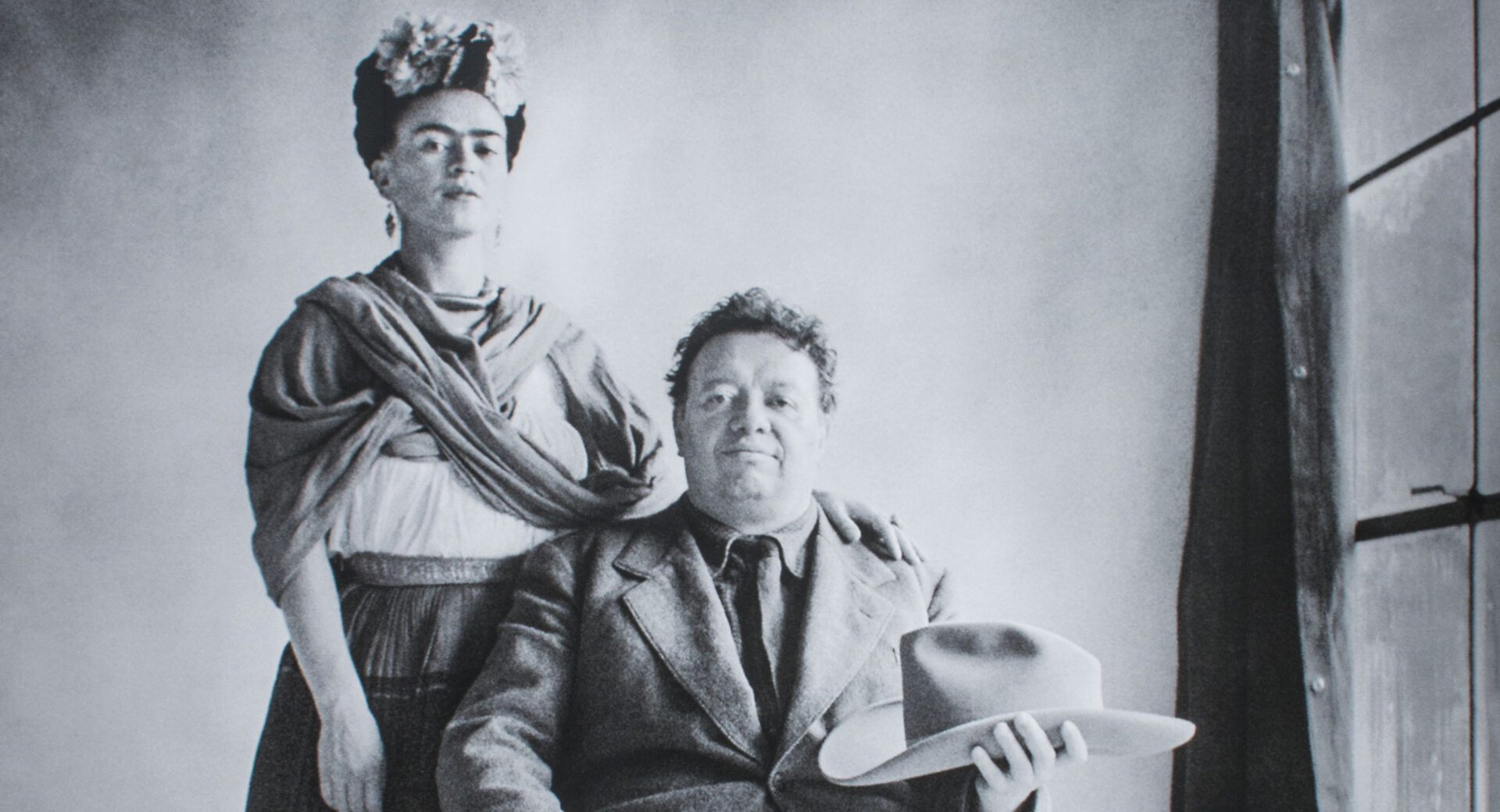
Approximately 400 prominent figures from the cultural and artistic fields in Mexico have voiced their deep concern regarding the fate of the renowned artworks of Frida Kahlo and Diego Rivera through an open letter addressed to the Mexican government. This letter demands clarification on the duration these works will remain outside Mexico, in light of reports about their transfer to Spain.
The protests come at a sensitive time, as both Kahlo and Rivera are considered cultural icons of Mexico, having left an indelible mark on the history of modern art. The transfer of their works abroad raises questions about cultural identity and artistic ownership rights, reflecting the growing anxiety among intellectuals and artists in the country.
Details of the Protest
The open letter included calls for the government to provide explanations regarding the reasons behind the decision to transfer the artworks, as well as to specify the time frame these works will remain outside Mexico. The signatories pointed out that these pieces are not merely artworks but are part of the Mexican cultural heritage that must be preserved within the country.
Artists and intellectuals also expressed their fears that this transfer could lead to a loss of cultural identity, as the artworks represent a long history of creativity and artistic expression in Mexico. Some have voiced concerns that this move could pave the way for further transfers of significant artworks abroad.
Background & Context
Frida Kahlo and Diego Rivera are among the most prominent artists in Mexican history, with their works contributing significantly to shaping the cultural and artistic identity of the country. Kahlo, known for her unique style in expressing pain and suffering, and Rivera, who had a substantial impact on the socialist art movement, are integral parts of Mexican cultural heritage.
In recent years, Mexico has witnessed numerous discussions surrounding artistic ownership rights, especially with the increasing demand for artworks in global markets. This issue has sparked widespread debate about how to protect cultural heritage in the face of globalization.
Impact & Consequences
The transfer of artworks abroad could significantly affect the cultural landscape in Mexico, potentially reducing local audiences' opportunities to enjoy these pieces. Additionally, this transfer may raise questions about how to manage cultural heritage in the age of globalization.
Furthermore, this event could increase pressure on the Mexican government to develop stricter policies for protecting cultural and artistic heritage. It may also open the door for broader discussions on how to maintain cultural identity in the face of global challenges.
Regional Significance
Cultural heritage issues and their protection are also important topics in the Arab world, where many countries face similar challenges in preserving their cultural legacy amid globalization. The Mexican experiences could offer valuable lessons for Arab nations in addressing cultural heritage issues.
In conclusion, this event highlights the importance of preserving cultural and artistic identity and reflects the growing concern among intellectuals and artists regarding the future of cultural heritage in the age of globalization.