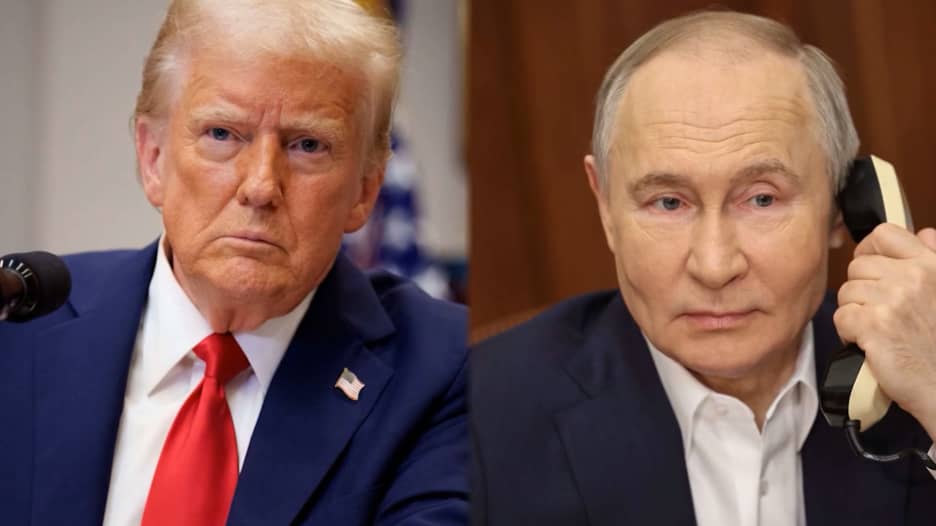
Tensions dominate currency markets in Asia today as traders express caution regarding U.S. President Donald Trump's statements on progress in talks with Iran. While Tehran denies any direct negotiations, investors remain on high alert.
In a press conference at the White House, Trump confirmed that the United States is making progress in its efforts to end the ongoing conflict with Iran. However, these statements come at a sensitive time, as Iran continues to deny conducting any direct negotiations with Washington, increasing uncertainty in the markets.
Details of the Event
These developments come at a time when currency markets are experiencing sharp fluctuations, as investors closely monitor any signals indicating the possibility of improved relations between the United States and Iran. These statements have impacted the value of the U.S. dollar, which has seen a slight decline against other major currencies.
These remarks are part of Trump's strategy to emphasize the success of his administration in foreign policy, even though the reality on the ground may be entirely different. Trump's statements come at a time when pressures on his administration are mounting due to both domestic and foreign crises.
Background & Context
The roots of the conflict between the United States and Iran date back decades, with relations between the two countries experiencing increasing tensions since the Iranian Revolution in 1979. Since then, the United States has imposed strict economic sanctions on Iran, negatively impacting its economy and exacerbating humanitarian crises.
In recent years, tensions have escalated further following the U.S. withdrawal from the Iranian nuclear deal in 2018, leading to renewed sanctions and heightened hostile rhetoric between the two parties. Several countries, including European nations, have attempted to mediate talks between Washington and Tehran, but to no avail.
Impact & Consequences
The ongoing uncertainty surrounding U.S.-Iranian talks could lead to greater volatility in currency markets, as investors prefer to avoid risks amid the ambiguity of the situation. Additionally, any escalation in tensions could affect oil prices, which in turn would impact the global economy.
Moreover, these developments may affect trade relations between the United States and other countries, as many nations seek to balance their economic and security interests in light of these tense circumstances.
Regional Significance
U.S.-Iranian relations are pivotal in determining the future stability of the Middle East. Any escalation in the conflict could have negative repercussions for neighboring countries, especially those suffering from internal conflicts or tensions with Iran.
Furthermore, the economic situation in the region could be significantly affected, as many Arab countries rely on stable oil prices, which may be influenced by developments in the conflict. Thus, the situation in currency markets remains under scrutiny, with investors awaiting any new developments.
In conclusion, the situation in currency markets is heavily influenced by political developments, requiring investors to exercise caution amid ongoing doubts regarding efforts to resolve the conflict with Iran.