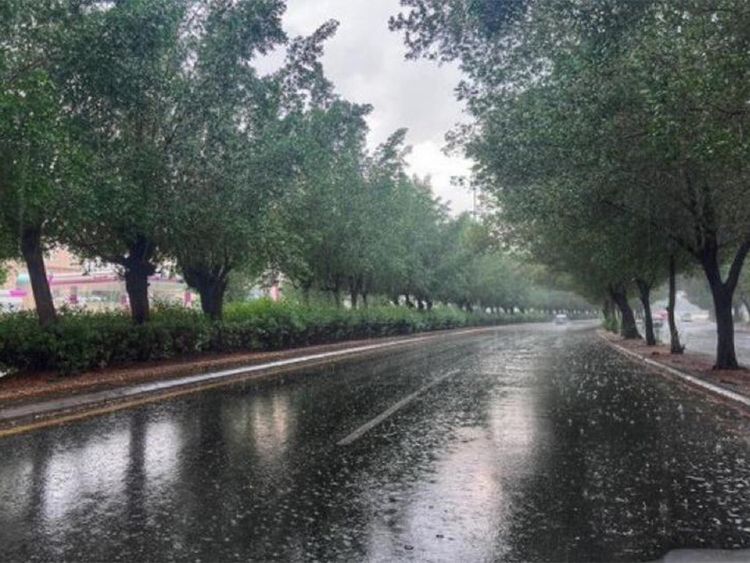
Meteorologist Abdulaziz Al-Hussaini reports that the recent rains across various regions in Saudi Arabia are aiding the growth of annual plants. He noted that the rainy seasons are categorized into four types of plants.
Al-Hussaini explained that these rains are a blessing for agriculture, as they contribute to improving the quality of agricultural crops and enhancing their growth. He emphasized that this period is one of the most important agricultural times of the year, as the rains help germinate many plants that primarily depend on water.
Details of the Event
Rainfall is occurring in different areas of the kingdom, revitalizing agricultural lands. Weather reports have recorded varying amounts of rainfall across regions, with some areas experiencing heavy rains while others saw light showers. This rainfall comes at a critical time of the year when farmers need water to nourish their crops.
Al-Hussaini also confirmed that these rains are not only beneficial for agricultural crops but also have a positive impact on the environment in general. The falling water helps replenish groundwater sources, which contributes to improving water quality in rivers and lakes.
Background & Context
Agriculture is a vital sector in Saudi Arabia, heavily reliant on rainfall and groundwater. With the climate changes witnessed globally, monitoring rainfall patterns and their effects on agriculture has become essential. In recent years, the kingdom has experienced fluctuations in rainfall rates, impacting agricultural production.
Historically, rainfall has played a pivotal role in the lives of agricultural communities in the region. However, current climate changes may affect rainfall patterns, necessitating adaptation to these changes to ensure agricultural sustainability.
Impact & Consequences
The current rains are affecting many aspects of life in the kingdom. In addition to enhancing agriculture, the rains contribute to improving air quality and reducing pollution. The increase in green spaces resulting from the rains also boosts biodiversity in the region.
However, effective water management strategies must be in place, especially in light of climate changes. Farmers need to adapt to changing conditions to ensure the sustainability of agricultural production.
Regional Significance
Many Arab countries are experiencing fluctuations in rainfall patterns, impacting agriculture and food security. The rains falling in the kingdom could serve as a model for other countries in the region, potentially contributing to improved agricultural production.
Enhancing regional cooperation in water management and agriculture can help address climate challenges. Sharing knowledge and experiences can assist Arab countries in improving agricultural sustainability and ensuring food security.
In conclusion, the current rains represent an opportunity for farmers in the kingdom to boost their agricultural production, but clear strategies for managing water resources are essential to ensure the sustainability of this vital sector.