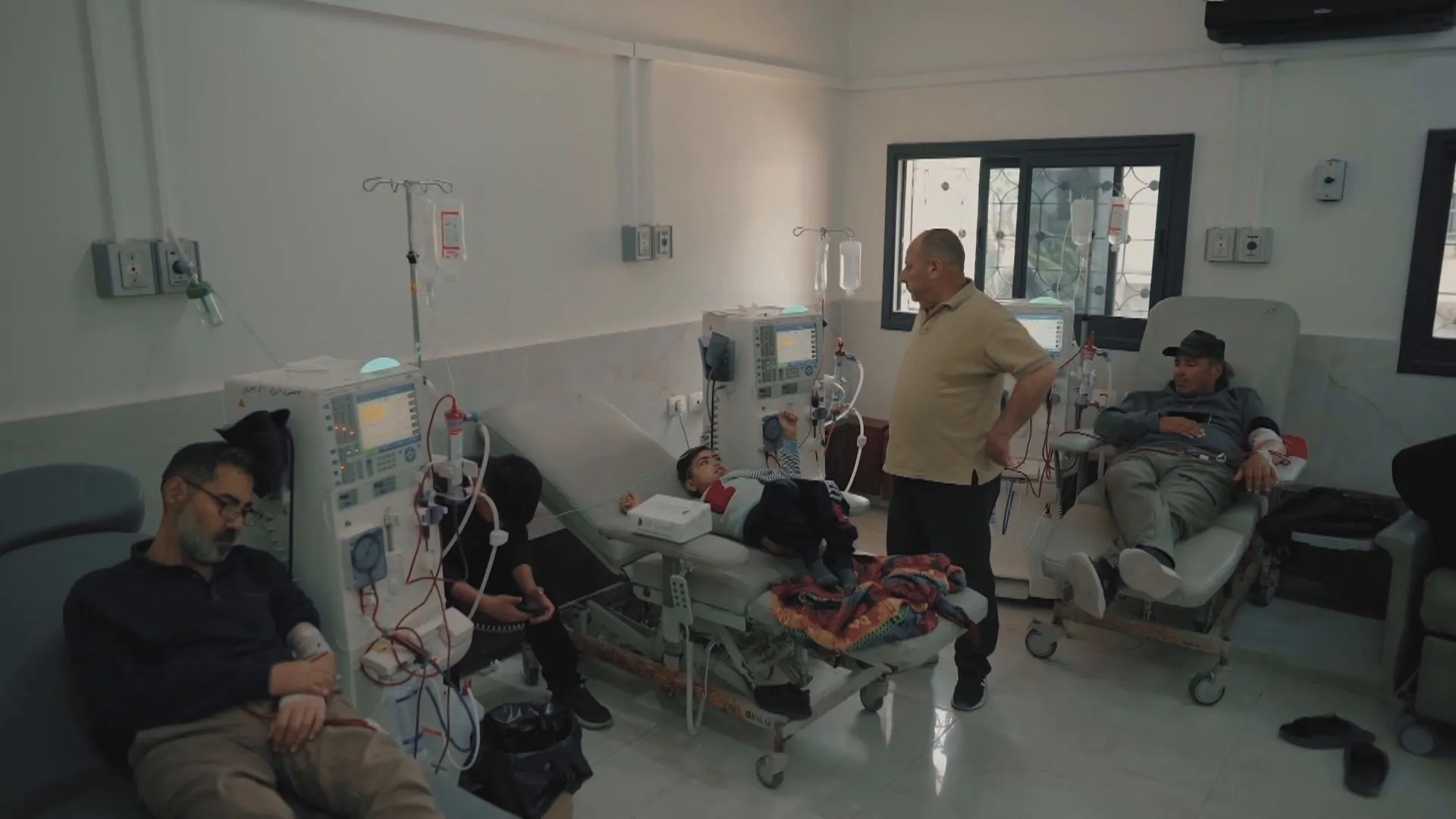
Kidney failure patients in Gaza face harsh conditions due to medication shortages and power outages, turning treatment sessions into daily battles for survival.
The suffering of these patients is increasing as border closures continue, threatening their lives and exacerbating their health situations. They encounter significant difficulties in obtaining necessary medications, as their lives depend on dialysis sessions that have become nearly impossible under current conditions.
Details of the Situation
Reports highlight the tragic circumstances faced by kidney failure patients in Gaza, where essential healthcare services are disrupted. Due to shortages of medications and medical supplies, patients are forced to wait long periods to receive treatment, increasing the risk of serious health complications.
The crisis is exacerbated by frequent power outages, which affect the operation of dialysis machines in hospitals. Patients experience constant anxiety about their ability to receive timely treatment, which heightens their feelings of isolation and despair.
Background & Context
Historically, Gaza has suffered from recurring humanitarian crises due to the ongoing blockade and multiple conflicts. This has led to a deterioration of the healthcare system in the region, with hospitals facing severe resource shortages. In recent years, the conditions for kidney failure patients have particularly worsened, as treatment has become heavily reliant on political and economic circumstances.
Dialysis sessions are vital medical procedures that patients need regularly, but with increasing movement restrictions and medication shortages, accessing these services has become extremely difficult. Patients struggle with the inability to travel to hospitals outside Gaza, further complicating their health issues.
Impact & Consequences
The repercussions of the kidney failure crisis in Gaza extend beyond health dimensions, affecting the lives of families and communities. Many patients lose their ability to work, increasing the financial burdens on their families. Additionally, the lack of appropriate treatment leads to the worsening of their health conditions, putting more pressure on an already struggling healthcare system.
Reports confirm that the health situation in Gaza requires urgent intervention from the international community. Without effective support, patients will continue to suffer, threatening their lives and increasing mortality rates due to lack of healthcare.
Regional Significance
The suffering of kidney failure patients in Gaza represents a microcosm of the humanitarian crises faced by many regions in the Arab world. The deteriorating health conditions in Gaza reflect a failure to provide basic healthcare, necessitating collective action from Arab countries and the international community.
This issue serves as a call for Arab solidarity, as efforts must be combined to provide the necessary support to those affected. Improving health conditions in Gaza could serve as a model for addressing humanitarian crises in other areas.