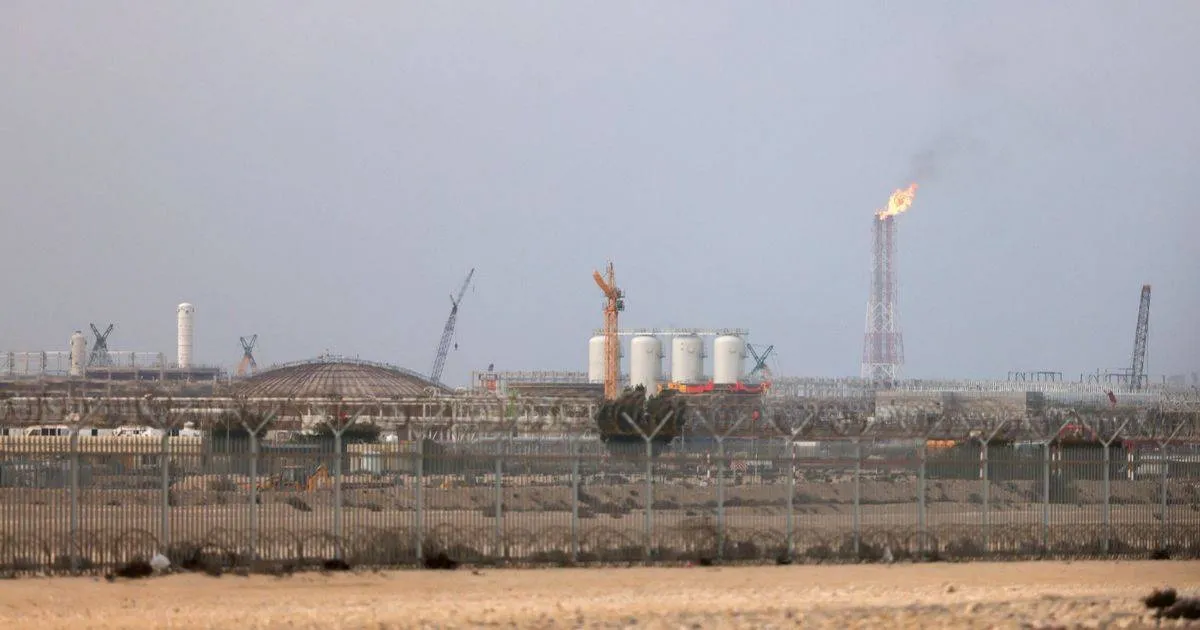
The International Energy Agency announced in a statement on Wednesday that the ongoing conflict in the Middle East has led to the damage of around 40 major energy facilities. The agency confirmed that this crisis has resulted in the loss of more than 12 million barrels per day of oil supplies.
The agency's Executive Director, Fatih Birol, stated that the current situation is worse than the oil crises of the 1970s combined with the loss of Russian gas in 2022. He pointed out that the effects of this crisis could have far-reaching implications for global energy markets.
Details of the Incident
The conflict between the United States and Israel on one side and Iran on the other has disrupted the Strait of Hormuz, through which approximately 20 percent of the world's total oil and gas trade passes. This has led to a surge in oil prices to record levels exceeding $120, amid fears that the upward trend could continue to $150.
Gas prices in Europe have also surged by more than 70 percent, due to the continent's heavy reliance on a significant portion of its gas imports from the Middle East. In an effort to mitigate the impact of this crisis, member countries of the International Energy Agency agreed to withdraw 400 million barrels of oil from strategic reserves, marking the largest move ever by the agency.
Background & Context
Historically, the Strait of Hormuz is a vital point in global oil trade, with a significant portion of energy supplies passing through it. As tensions in the region have escalated, this strait has become vulnerable to threats, significantly impacting the stability of energy markets. The region has witnessed numerous past crises, but the current situation is considered the most complex due to the multiplicity of involved parties.
In this context, Sultan Al Jaber, CEO of the Abu Dhabi National Oil Company (ADNOC), stated that Iran's actions in the Strait of Hormuz represent a form of global economic blackmail. Al Jaber called for a global movement to protect the freedom of energy flow, emphasizing the importance of implementing United Nations Security Council Resolution 2817 to ensure freedom of navigation through the strait.
Impact & Consequences
Many African countries have been significantly affected by rising global oil prices, with governments imposing sharp increases in fuel prices. Most African countries import their oil products, making them vulnerable to supply disruptions. In South Africa, fuel tariffs were reduced for one month, while in Ghana, gasoline prices increased by 15 percent and diesel by 19 percent.
In Malawi, the energy regulatory authority imposed sharp increases in fuel prices, with gasoline prices rising by 34 percent, adding economic pressure on households. Other countries like Tanzania and Mauritania have experienced similar increases, reflecting the negative impacts of the conflict on local economies.
Regional Significance
The current situation in the Middle East serves as a wake-up call for Arab countries, which must take urgent action to protect their economic interests. The continued rise in oil and gas prices could exacerbate economic crises in many Arab nations, necessitating greater coordination among countries to enhance stability in energy markets.
In conclusion, the ongoing conflict in the Middle East emerges as one of the major challenges facing global energy markets, requiring an effective response from the international community to ensure supply stability and protect affected economies.