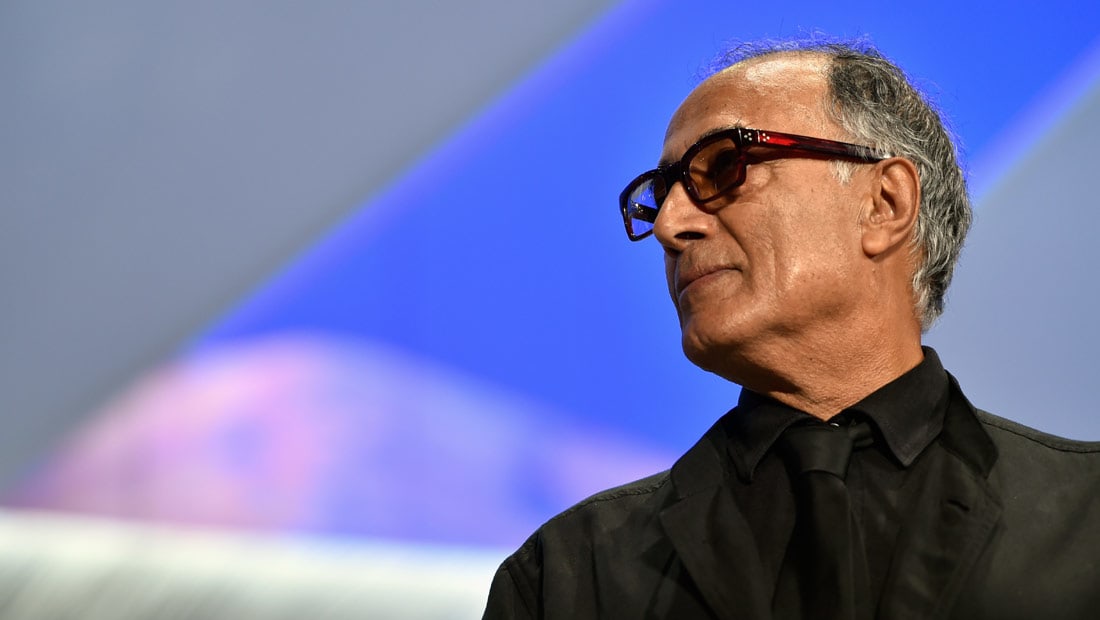
The home of the late Iranian director Abbas Kiarostami was damaged due to the bombing targeting the capital, Tehran, sparking widespread reactions in cultural circles. This incident highlights the impact that extends beyond physical damage to cultural and artistic symbols.
The Iranian Foreign Ministry reported that the house sustained damage as a result of recent airstrikes, with spokesperson Ismail Baghaei posting on the platform 'X' mentioning Kiarostami's name and indicating that his home was not spared from the strikes. Confirming this, Ahmad Kiarostami, the director's son, stated that the Chizdar neighborhood in northern Tehran was hit by a nighttime raid that caused damage to his father's house.
Details of the Incident
The reference to Kiarostami's home comes within an Iranian narrative linking the airstrikes on Tehran to what the government describes as targeting that goes beyond military sites to include cultural and civil symbols. In his post, Baghaei presented the incident as evidence of the widening effects of the bombing, questioning whether Kiarostami's home was part of what the United States describes as a 'imminent threat.'
This incident symbolizes the damage inflicted on culture and art amidst armed conflicts, as Kiarostami represents one of the most prominent names in the history of Iranian cinema. His works have left a profound mark on global cinema, making the damage to his home a significant symbolic event.
Background & Context
Born in Tehran in 1940, Abbas Kiarostami began his cinematic career in the late 1960s by participating in the establishment of the film department at the 'Institute for the Intellectual Development of Children and Young Adults'. In the 1970s, he directed a series of short films that contributed to shaping his well-known style characterized by visual economy and contemplative tone.
Kiarostami gained global recognition through his works that blended documentary and narrative styles, such as the film 'Close-Up', which presented a hybrid cinematic treatment of a real incident, using the individuals involved in the case. His name became associated with Iranian cinema characterized by tranquility and attention to the details of daily life, making him one of the most prominent faces of the modern Iranian wave.
Impact & Consequences
The incident of Kiarostami's home being damaged embodies the negative impact of armed conflicts on culture and art, as the damage inflicted on cultural symbols reflects a state of deterioration in human values. The late director was not merely a filmmaker; he was a symbol of Iranian cinema that expressed social and human realities.
This incident raises questions about how conflicts affect cultural and artistic production, and how cultural symbols can be at risk of disappearance or destruction under difficult circumstances. It also highlights the importance of protecting cultural heritage during times of conflict, as culture represents an essential part of national identity.
Regional Significance
Film and art are an integral part of cultural identity in the Arab world, and many Arab countries have faced similar crises leading to the destruction or marginalization of cultural symbols. The damage to Kiarostami's home reflects a painful reality faced by artists and intellectuals in the region, where their works are threatened amidst conflicts.
This incident underscores the urgent need to protect culture and art in the Arab world and calls for reflection on how to enhance support for artists and intellectuals during crises. Preserving cultural heritage is a collective responsibility that requires the concerted efforts of all parties.
In conclusion, the damage to Abbas Kiarostami's home is not merely a physical event; it is a symbol of the profound impact that armed conflicts can leave on culture and art, prompting all of us to think about how to protect these symbols from destruction.