Damascus is evaluating appropriate response options following a large-scale drone attack targeting several Syrian army bases near the Iraqi border early Monday. This attack comes at a sensitive time, as the border strip with Iraq has been reinforced in recent hours, indicating a notable military escalation in the area.
As military experts continue to analyze available response options, some politicians in Damascus believe the attack carries messages of significant implications, especially after Israel conducted an incursion from the direction of Mount Hermon into Lebanese territory. The operations authority of the Syrian Arab Army reported the occurrence of the attack, noting that army units managed to intercept and shoot down most of the drones.
Details of the Incident
In an official statement, the operations authority of the Syrian army confirmed that the attack targeted several military bases near the Iraqi border, and the Syrian Arab News Agency (SANA) reported that the Syrian army was able to shoot down most of the drones. The authority stated that it is studying its response options, indicating that it will take appropriate action to neutralize any threat and prevent any aggression against Syrian territory.
In statements from Syrian military expert Colonel Imad Shhoud, two response options were identified for addressing the source of the drone launches from Iraqi territory. The first option is artillery shelling using long-range calibers, while the second option involves the use of "Shaheen" drones, allowing for a proportional response to the attack.
Background & Context
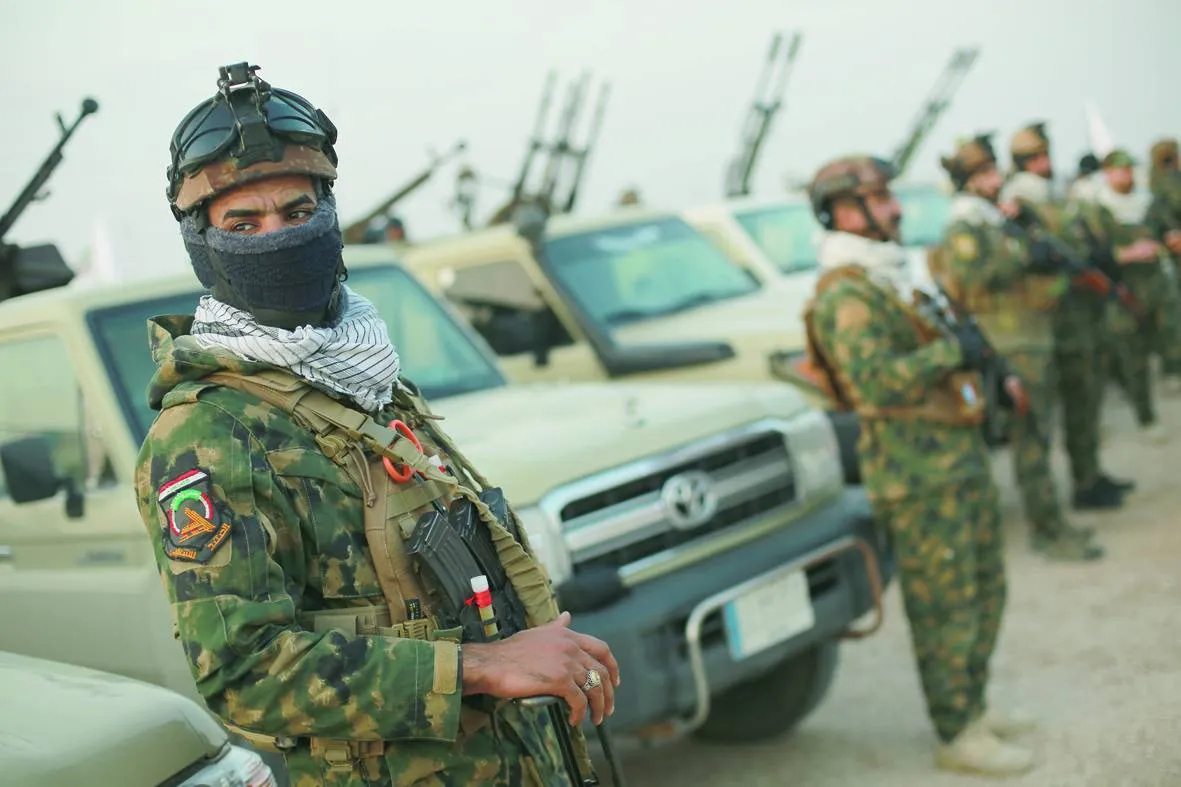
These developments come at a sensitive time, as the region has witnessed increasing tensions among regional powers. Attacks on Syrian military bases, which were previously under U.S. control, indicate an escalation in military operations by Iraqi factions backed by Iran. This escalation is considered part of a broader Iranian strategy aimed at expanding the scope of regional conflict.
Recent statements from the Israeli side regarding conducting cross-border operations indicate rising tensions in the area, as the Israeli army seeks to gather intelligence on military activities in Lebanon and Syria. In this context, Damascus remains cautious about being drawn into a comprehensive military confrontation, recognizing the sensitivity of the regional situation.
Impact & Consequences
The military escalation in the region could lead to serious repercussions for regional security, potentially dragging Syria into a larger conflict with Iranian-backed factions. Additionally, any military reaction from Damascus may affect relations with Iraq, especially given the presence of an Iraqi government that rejects provocations.
Military analysis suggests that Damascus may exercise caution in taking any action, as it will seek to communicate with the Iraqi government to assess the situation. This approach reflects Syria's desire to avoid direct military escalation, particularly amid U.S. and Israeli pressures.
Regional Significance
The repercussions of this attack extend beyond Syria and Iraq, as it could impact stability in Lebanon, which is already suffering from internal and external tensions. The military escalation may open the door to larger regional interventions, further complicating the security situation in the area.
In conclusion, the situation in the region remains tense, and Damascus appears to be striving to maintain its stability amid challenging circumstances. The recent military escalation highlights the challenges facing Syria and reflects the ongoing struggle among regional powers.