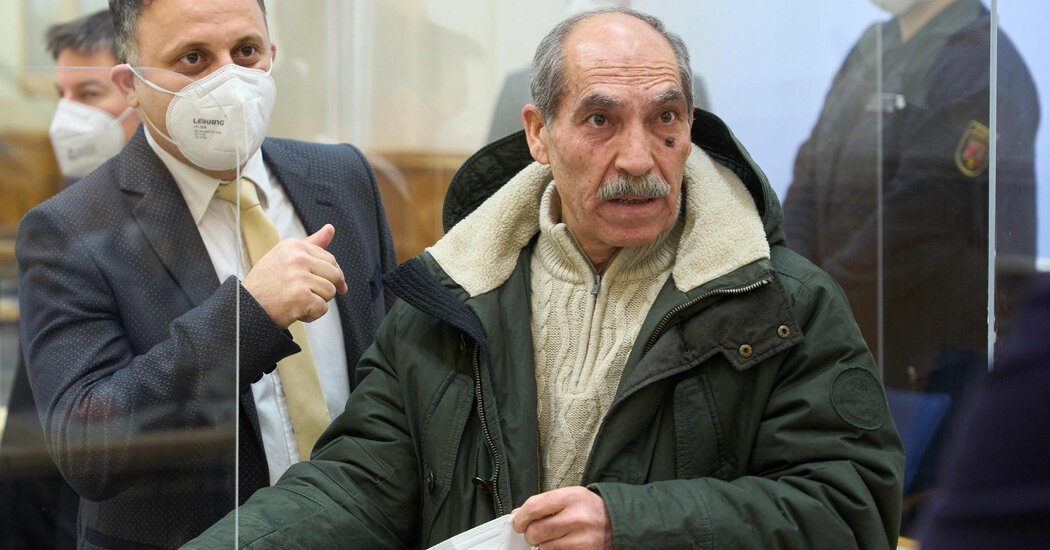
On Sunday, Judge Fakhr al-Din al-Aryan, the head of the Fourth Criminal Court in Damascus, issued a series of charges against Aatif Najib, who held a senior position in Syria from 2008 to 2011. These charges arise at a sensitive time as the country witnesses rapid developments in the context of the ongoing conflict.
The accusations against Najib pertain to the commission of massacres and war crimes, highlighting the role of military and political figures in the bloody events that have unfolded in Syria over the past years. Najib is considered a prominent figure in the Syrian regime, having had a significant influence on security and military operations during his tenure.
Details of the Charges
These accusations are part of the Syrian government's efforts to hold accountable those responsible for the violations committed during the conflict. Judge al-Aryan indicated that the available evidence supports these charges, opening the door for further investigations into the crimes perpetrated in the country.
This move is seen as part of the Syrian regime's attempts to rebuild its image before the international community, especially following increasing pressure from human rights organizations demanding accountability for those responsible for crimes against humanity.
Background & Context
Since the outbreak of the Syrian conflict in 2011, the country has faced one of the worst humanitarian crises in modern history. Numerous massacres and violations against civilians have been committed by various warring parties. Aatif Najib, who served as the head of political security, is a symbol of the regime that has faced widespread criticism for its repressive policies.
Najib's history in security and political work reflects the tensions that have gripped the country, as he played a prominent role in suppressing popular protests that erupted against the regime in the early days of the revolution. These events contributed to escalating the conflict and transforming it into a full-scale war.
Impact & Consequences
These accusations may lead to heightened tensions within the Syrian regime, potentially causing divisions among military and political figures. Additionally, this step could affect relations between Syria and the international community, particularly amid increasing pressure from Western nations.
If the charges are proven, Najib could face legal penalties that may include trial before an international court. This situation could pave the way for further investigations into the crimes committed in Syria, potentially leading to additional accountability for those responsible for violations.
Regional Significance
This case is significant as it draws the attention of Arab nations, reflecting the challenges faced by regimes in holding accountable those responsible for crimes. Moreover, these events could impact stability in the region, especially given the ongoing crises in other countries such as Iraq and Libya.
Highlighting these accusations may encourage other Arab countries to take similar steps to hold accountable those responsible for violations in their own nations, potentially leading to changes in domestic policies.
The accusations against Aatif Najib represent an important step in the pursuit of justice in Syria, and may open the door for further investigations into the crimes committed. Given the current circumstances, the question remains regarding the regime's ability to confront these challenges.