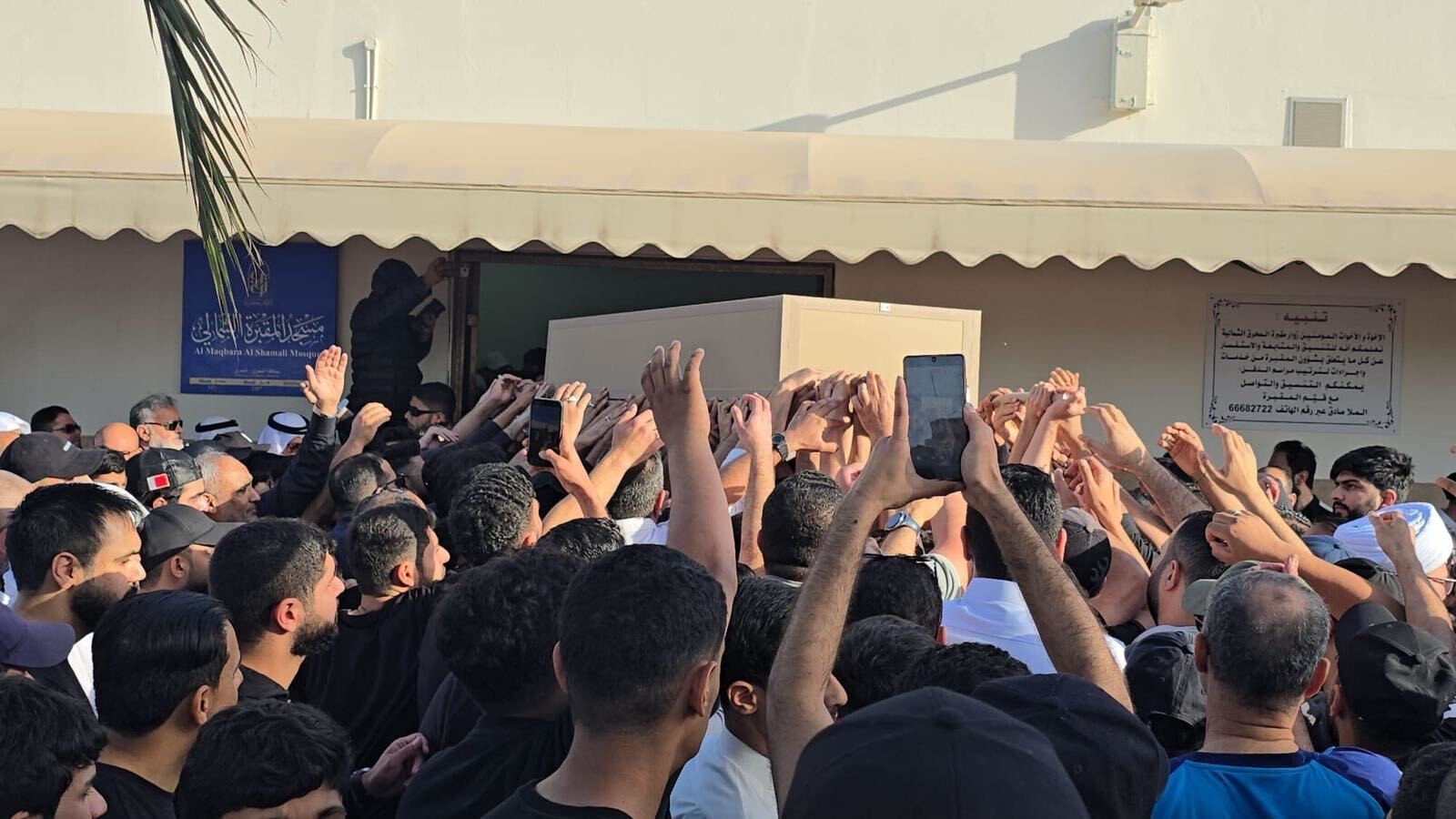
The young Bahraini, Mohammed Al-Mousawi, aged 32, died while in custody, triggering a wave of anger and protests throughout the country. Al-Mousawi was arrested on March 19, 2026, along with six friends while they were heading out for suhoor during the final days of Ramadan. They were detained at a checkpoint by the authorities. After days of enforced disappearance, his family received a call asking them to collect his body from the Bahraini Defense Force Hospital.
Upon receiving the body, the family discovered that Al-Mousawi's corpse was covered in bruises and marks indicating he had been tortured, which sparked widespread outrage among citizens. In response, the Bahraini Ministry of Interior denied these allegations and announced an investigation into the incident, claiming that the images circulating on social media were inaccurate and misleading.
Details of the Incident
Al-Mousawi had been arrested on charges of espionage, with authorities alleging that he was providing information to the Iranian Revolutionary Guard to facilitate attacks against Bahrain. He had previously spent over ten years in Jaw Prison, a facility notorious for torturing political detainees. He was released in April 2024 following a general amnesty that included more than 1,500 prisoners.
Al-Mousawi died on March 27, 2026, and his death certificate stated the cause of death as "cardiac arrest" and "acute coronary syndrome." However, his friends described him as a healthy and active young man, raising suspicions about the circumstances of his death.
Context and Background
This incident occurs amidst rising tensions in the region, as Bahrain experiences internal unrest stemming from the ongoing conflict between Iran and the United States and its allies. Since the onset of the war against Iran, Bahrain has witnessed widespread arrests, with human rights organizations documenting the detention of over 220 individuals, some for participating in protests or sharing content on social media.
Bahrain's history is fraught with sectarian tensions, as Shiites make up the majority of the population while the ruling family is Sunni. The country experienced widespread protests in 2011, which were met with violent repression by the authorities. These events raise questions about the future of stability in Bahrain, especially under the current circumstances.
Impact and Consequences
The death of Al-Mousawi serves as a wake-up call for dissenters in Bahrain, as many believe the government seeks to intimidate and silence their voices. Numerous human rights figures have expressed concern over the increasing arrests and torture, indicating that these incidents reflect the repressive policies pursued by the government against any opposition.
The protests that erupted following Al-Mousawi's death indicate a growing desire among citizens to express their dissatisfaction with the government, despite the potential risks. His funeral saw a large turnout, with participants chanting anti-government slogans, reflecting the rising anger within Bahraini society.
Regional Significance
The events in Bahrain are part of a larger picture of conflicts in the region, with neighboring countries directly affected by Bahrain's tensions. The presence of the U.S. military base in Bahrain complicates the situation, as many view this base as a threat to national security.
Furthermore, the events in Bahrain could impact relations between Gulf states and Iran, as any escalation in Bahrain is seen as potentially provoking a reaction from Iran. In this context, Bahrain remains a focal point in the regional conflict, making it a point of interest for the international community.
In conclusion, the death of Mohammed Al-Mousawi reflects the significant challenges facing Bahrain amid political repression and sectarian tensions. The continuation of these policies may exacerbate conditions in the country, necessitating greater international attention to protect human rights in Bahrain.