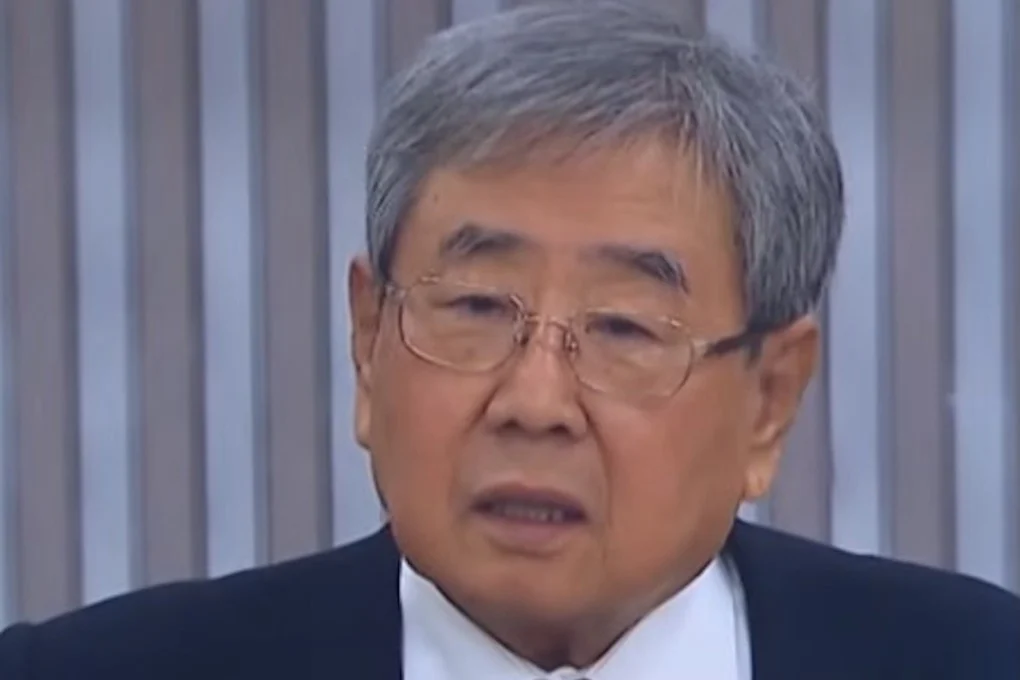
Lee Gyeon-an, known as the "torture expert," died from multiple organ failure last Thursday, prompting a wave of painful memories regarding human rights violations that occurred in South Korea during its authoritarian rule. Born in 1935, Lee was a controversial figure who faced ongoing criticism throughout his life for failing to apologize for his actions, even considering himself a "patriot," which intensified the backlash against him.
Despite the decades that have passed since that era, Lee's death has brought to mind numerous horrific stories of torture and cruel treatment endured by political prisoners at that time. Lee was seen as a symbol of repressive power, employing brutal torture methods during interrogations, which he described as an "art."
Details of the Event
Lee Gyeon-an passed away in a hospital in the capital city of Seoul after suffering from multiple health issues. The news of his death elicited mixed reactions within South Korean society, with some viewing him as a symbol of injustice and oppression, while others believed he was merely fulfilling his duty as a police officer during a time when it was deemed necessary.
It is noteworthy that Lee served in the police force during the 1970s and 1980s, a period marked by severe repression of political opposition in South Korea. He played a prominent role in the arrest and torture of many political activists who opposed the military regime at the time.
Background & Context
South Korea experienced military authoritarian rule from the 1960s to the 1990s, during which excessive force was employed to suppress any opposition. Numerous reports documented human rights violations, including torture and arbitrary arrests. Lee Gyeon-an was one of the most prominent figures associated with these violations, with many cases documented where detainees were subjected to physical and psychological torture.
Although that era has ended, its effects remain present in the collective memory of the South Korean people. These memories have contributed to shaping public awareness regarding the importance of human rights and democracy in the country.
Impact & Consequences
The death of Lee Gyeon-an raises questions about how South Korean society deals with its authoritarian past. The varied reactions to his death reveal a division within society regarding the assessment of that era. While some consider that period necessary for achieving stability, others view it as a time of injustice and oppression.
These events necessitate that the South Korean government reevaluate how it addresses human rights issues and offers apologies to victims and their families. There is also an urgent need to educate new generations about the importance of human rights and democracy to ensure that such violations do not recur in the future.
Regional Significance
South Korea's experience in confronting its authoritarian past serves as an important lesson for many Arab countries that have also witnessed periods of repressive rule. Arab nations can benefit from the South Korean experience in how to address their past and promote a culture of human rights and democracy.
In light of the political and social changes occurring in the Arab region, it is crucial for new governments to adopt policies that enhance human rights and ensure that past violations are not repeated. Learning from the experiences of others can contribute to building a better future.