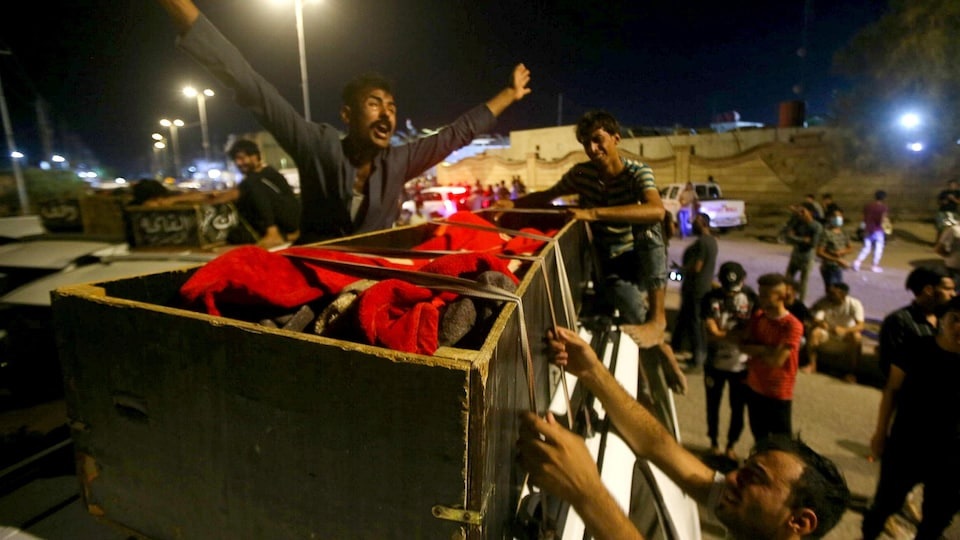
The World Health Organization announced on Saturday that at least 64 people, including 13 children, as well as numerous medical staff and patients, were killed in a violent attack on the Al-Daein Teaching Hospital in East Darfur, western Sudan. This attack, which employed drones, also injured dozens, reflecting the magnitude of the escalating humanitarian disaster in this troubled region.
The Director-General of the organization, Tedros Adhanom Ghebreyesus, stated in a post on the social media platform X that this attack is part of a series of assaults on healthcare facilities in Sudan, describing the situation as marked by "bloodshed" and significant "suffering." Ghebreyesus called for the need to "de-escalate the conflict" in the country and ensure protection for civilians and workers in the healthcare and humanitarian sectors.
The WHO clearly indicated that the attack on the hospital involved the use of "heavy weapons," which led to a complete halt of essential medical services in the city. This incident is part of a series of attacks targeting health facilities, which severely impacts the provision of medical care for patients amid deteriorating humanitarian conditions.
Regarding the details of the attack, the Sudanese group "Emergency Lawyers" confirmed that several medical facilities, including the Al-Daein hospital, were targeted, suffering a violent assault from drones, exacerbating the health situation in the area.
It is worth noting that since April 2023, Sudan has been experiencing fierce conflict between the Sudanese army and the Rapid Support Forces, resulting in tens of thousands dead and approximately 13 million displaced, marking one of the worst humanitarian crises globally, as reported by United Nations estimates.
In light of these crises, the United Nations Office for the Coordination of Humanitarian Affairs in Sudan expressed deep concern regarding the hospital attack, highlighting the rising casualty numbers and interruption of health services.
These events highlight the severe risks of ongoing internal conflicts and their impact on civilians and vital infrastructure, as Sudan is experiencing chaos that exacerbates humanitarian crises, painting a grim picture of the country and its people’s future.
These assaults occur within a long historical context of violence and unrest in Sudan, where many regions suffer from insecurity and instability. Reports indicate that similar crises have been witnessed in several other Arab countries, where healthcare facilities face near-daily attacks, necessitating fundamental solutions to ongoing conflicts.
Protecting civilian lives and ensuring their safety during crises is mandated by international law, and it is imperative for the international community to act to enforce protection for healthcare facilities and address the root causes of conflicts in the region.