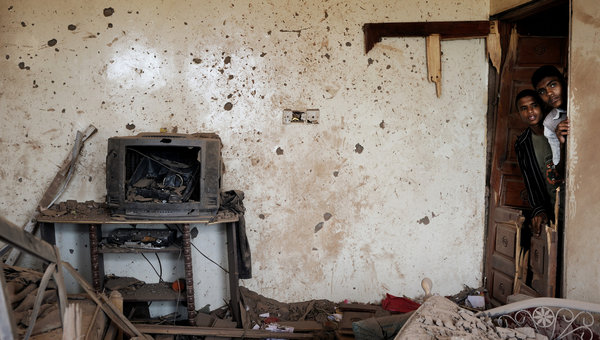
The death toll from the floods that swept through Taiz, Yemen, has risen to 21 fatalities, according to the Yemeni Ministry of Interior. The heavy rains that began last Friday have led to the destruction of numerous homes and the displacement of residents, reflecting the tragic situation Yemen faces due to its weak infrastructure.
A report published by the Security Media website affiliated with the Ministry of Interior indicated that the floods resulted in the collapse and submersion of several homes in the affected villages, in addition to washing away their contents and causing a significant number of livestock deaths. The floods also swept away vast areas of agricultural land and buried water wells, further worsening the humanitarian conditions in the area.
Details of the Incident
The most affected areas in Taiz include Al-Mokha, Mawza, Al-Maafir, Jabal Habashi, and Al-Waziyah, where reports have indicated the destruction of many homes and the cutting off of roads connecting the villages. The Executive Unit for Managing Displaced Persons Camps previously announced that the number of casualties had risen to 15 fatalities and 9 missing persons, after authorities initially reported only 8 deaths.
Reports indicate that the heavy rains and floods that Yemen has experienced since mid-March have affected many areas, with 1370 families in displacement camps in Al-Jawf governorate in the north of the country being impacted. These natural disasters come amid an ongoing humanitarian crisis in Yemen, where residents suffer from a severe lack of basic services.
Background & Context
Yemen has been in a state of armed conflict for over 11 years, leading to a significant deterioration of infrastructure and essential services. Climate change poses a major challenge, exacerbating the food insecurity crisis in a country classified as one of the poorest in the Arab world. According to the United Nations, climate change intensifies humanitarian crises in Yemen, leading to the spread of diseases and water shortages.
Last year, heavy rains and floods resulted in the deaths of 82 people and injuries to more than 100 others, in addition to the destruction of dozens of homes and vital infrastructure. These statistics reflect the catastrophic situation in Yemen, where the suffering of the population increases with each rainy season.
Impact & Consequences
The floods exacerbate the humanitarian conditions in Yemen, where the suffering of residents, who already face severe food and water shortages, is intensified. These natural disasters affect families' ability to survive, increasing the number of displaced persons and refugees. Additionally, the destruction of agricultural land threatens food security, as many residents rely on farming as their primary source of income.
These conditions require an urgent response from humanitarian organizations and local and international governments to provide necessary assistance to the affected. There must also be efforts to improve infrastructure and enhance the capacity to cope with future natural disasters.
Regional Significance
Natural disasters such as floods and heavy rains pose a significant challenge for many Arab countries, especially amid climate changes affecting the region. These events highlight the need for effective strategies to adapt to climate changes and improve infrastructure in affected countries.
The situation in Yemen can serve as a model for what could happen in other countries if necessary measures are not taken to address environmental challenges. Regional and international cooperation will be essential to face these crises and improve humanitarian conditions in the region.