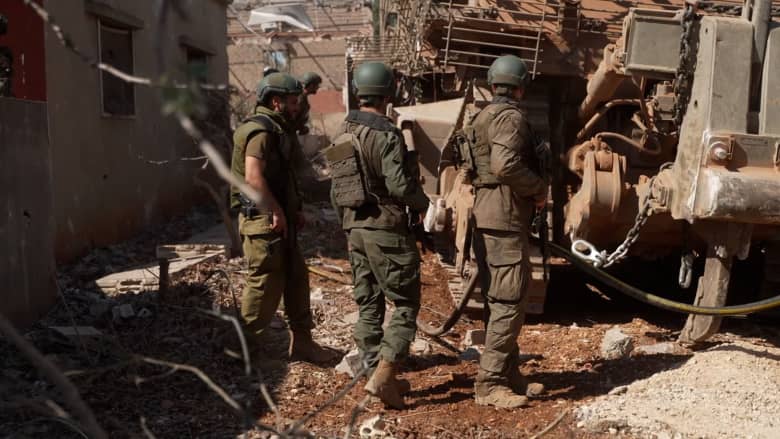
The Lebanese Ministry of Health announced that the death toll from Israeli attacks on Lebanon has risen to 1116 individuals, while the number of injured has reached 3229 individuals, during the period from March 2 to March 20, 2026. Israeli warplanes and artillery have targeted numerous cities and villages in southern Lebanon, leading to widespread destruction.
These attacks come amid a continuing military escalation by Israel, as airstrikes have targeted residential areas and vital facilities, provoking a wave of local and international condemnation. The city of Nabatieh, for instance, witnessed painful funerals for the victims of the attacks, where residents gathered to mourn their family members who lost their lives in the bombings.
Details of the Incident
The Israeli attacks on Lebanon have continued since the beginning of this month, focusing military operations in the southern regions, exacerbating the humanitarian situation. This death toll is among the highest in the history of the Lebanese-Israeli conflict, raising concerns about the humanitarian impact of these operations.
It is noteworthy that the Israeli attacks have not only targeted individuals but have also affected ambulance teams and hospitals, complicating the health situation in the country. Documented cases of assaults on paramedics while performing their duties reflect the scale of challenges faced by medical teams amid this escalation.
Background & Context
Historically, Lebanon has witnessed repeated conflicts with Israel, with the roots of the conflict dating back several decades, starting from the Israeli invasion in 1982. Since then, tensions between the two sides have persisted, with several wars and conflicts erupting, the latest being in 2006. With the escalation of the situation in the region, Lebanon remains vulnerable to the repercussions of regional conflicts.
In recent years, tensions between Lebanon and Israel have intensified, particularly with the increase of Israeli military activities in the area. These tensions have impacted the political and economic situation in Lebanon, which is already suffering from multiple crises.
Impact & Consequences
The increasing casualty figures underscore the devastating impact of the Israeli attacks, as Lebanon faces a suffocating humanitarian crisis. The Lebanese government faces significant challenges in providing aid to the affected, at a time when the country is grappling with a severe economic crisis.
Moreover, the military escalation could exacerbate security conditions in the region, threatening the stability of neighboring countries. This situation reflects the urgent need for international intervention to halt the escalation and protect civilians.
Regional Significance
The ongoing events in Lebanon are part of a larger picture of conflicts in the region, where other Arab countries are directly or indirectly affected by the repercussions of the Lebanese-Israeli conflict. These attacks have sparked strong reactions from many Arab countries, which have called for an end to violence and the protection of civilians.
In conclusion, the situation in Lebanon remains alarming, as the current state requires urgent action from the international community to provide support and assistance to those affected, ensuring that humanitarian crises in the region do not worsen.