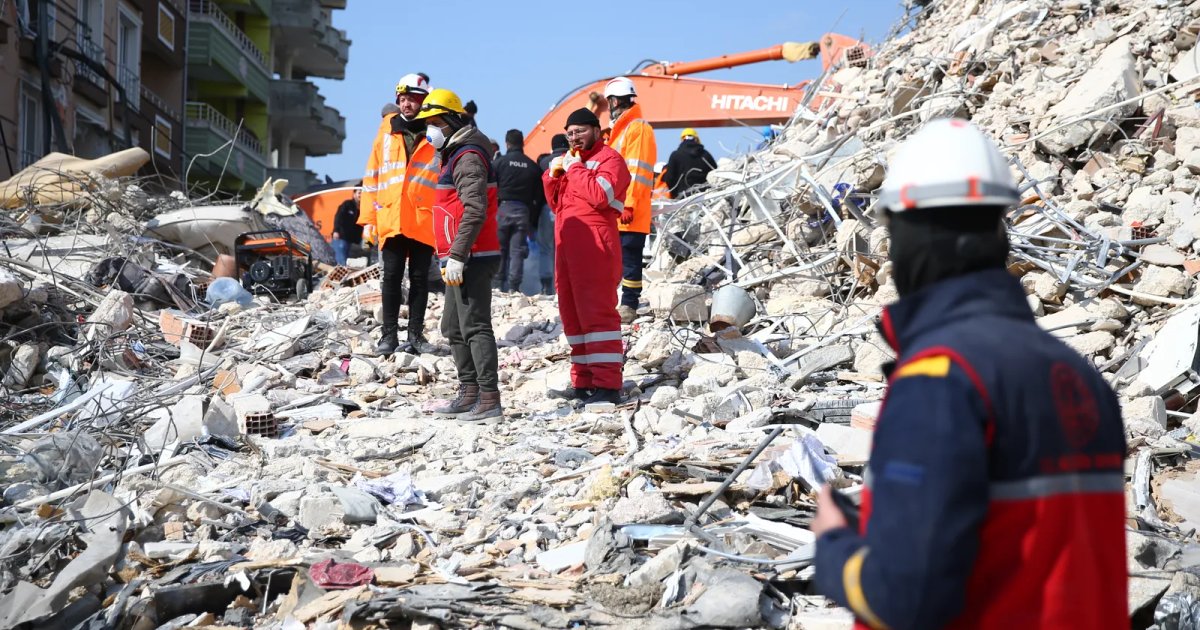
The death toll from the devastating earthquake that struck Turkey and Syria has risen to approximately 37,000, highlighting the scale of the humanitarian disaster in the region. The earthquake, which occurred early Monday morning, caused widespread destruction and affected millions of lives.
Rescue teams continue their efforts to search for survivors under the rubble, with thousands reported missing. Disturbing images and videos circulated on social media show the extent of the destruction inflicted on buildings and infrastructure in the affected areas.
Details of the Earthquake
The earthquake struck at 4:17 AM local time, registering a magnitude of 7.8 on the Richter scale. The epicenter was near the Turkish city of Gaziantep, leading to the destruction of numerous buildings in the city and surrounding areas. Regions in northern Syria were also impacted, with cities such as Aleppo and Idlib suffering significant damage.
Relief operations are being conducted under challenging conditions, as teams face risks from landslides and severe weather. Many countries have sent humanitarian aid to the region, including rescue teams and medical supplies.
Background & Context
Turkey is known to be an active seismic zone, having historically experienced many devastating earthquakes. In 1999, a powerful earthquake struck the city of Izmit, resulting in the deaths of over 17,000 people. Meanwhile, Syria has been grappling with multiple humanitarian crises due to a conflict that has persisted for over a decade, complicating the response to the current disaster.
This catastrophe comes at a sensitive time, as Turkey faces economic and political challenges, while Syria continues to suffer from the effects of ongoing war. These conditions have affected the ability of local and international governments to provide immediate assistance to those affected.
Impact & Consequences
The repercussions of the earthquake extend beyond humanitarian dimensions, as the disaster is expected to impact the local economy in both countries. With many commercial establishments and public facilities destroyed, the region may face difficulties in long-term recovery.
The earthquake may also exacerbate the humanitarian crises in Syria, where populations are already suffering from severe shortages of basic resources. The number of internally displaced persons is expected to rise, placing additional pressure on host communities.
Regional Significance
This disaster serves as a wake-up call for other Arab countries located in seismic zones. Immediate responses to such disasters may require enhanced regional cooperation and the sharing of expertise in crisis management.
Furthermore, relations between Arab countries and Turkey and Syria may be affected in the context of humanitarian aid provision, necessitating a coordinated response from the international community to address the growing humanitarian challenges.
In conclusion, this disaster underscores the urgent need to enhance preparedness for natural disasters in the region, provide immediate support to those affected, and work on building long-term recovery strategies.