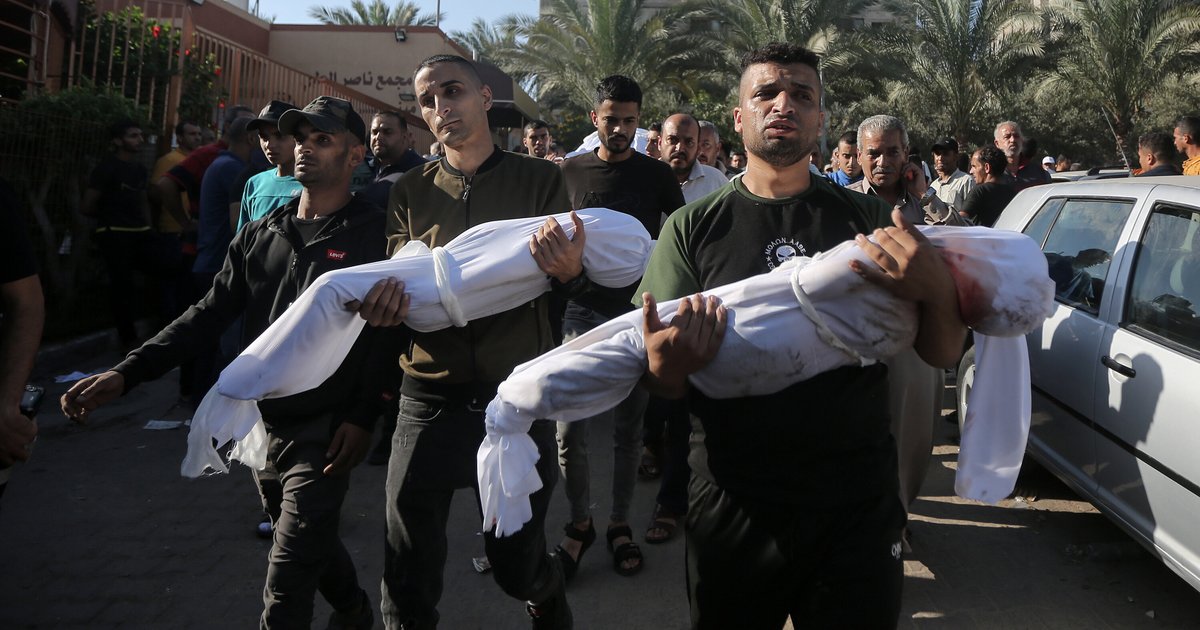
Medical sources in Gaza report that the ongoing Israeli aggression has resulted in a death toll of 72,000 and 172,000 injured. This escalation comes at a time when the residents of Gaza are suffering from catastrophic humanitarian conditions, as Israeli forces continue to bombard civilian areas, exacerbating the suffering of the population living in harsh circumstances.
The numbers are increasing daily, raising concerns within the international community, which is calling for a ceasefire. Human rights organizations have warned that the figures could rise further if fighting continues, as hospitals are experiencing severe shortages of medical supplies, hindering the provision of necessary care for the injured.
Details of the Incident
Reports indicate that the Israeli aggression on Gaza began on October 7, 2023, following a surprise attack by Hamas. Since then, Israeli forces have targeted numerous residential areas, leading to widespread destruction of homes and infrastructure. Disturbing images from Gaza have revealed the extent of the devastation in the city, with many neighborhoods being nearly destroyed.
Additionally, the increasing number of casualties includes children and women, heightening anger and condemnation in the Arab and international communities. Many countries have issued statements condemning the attacks, calling for the protection of civilians.
Context and Background
The history of the conflict between Palestinians and Israelis is long and complex, rooted in decades of struggle over land and rights. Gaza has witnessed several rounds of violence, but the current situation is considered one of the worst in recent years. The latest conflict erupted at a time when the economic and social conditions in Gaza were already deteriorating, further increasing the suffering of the population.
It is noteworthy that the blockade imposed on Gaza for over 15 years has contributed to worsening humanitarian conditions, with residents suffering from severe shortages of food and medicine. The United Nations has warned that the situation in Gaza could become unlivable if immediate action is not taken to halt the aggression.
Consequences and Impact
The repercussions of the aggression on Gaza extend beyond geographical borders, affecting stability across the entire region. The escalation of violence could exacerbate conditions in neighboring countries and provoke reactions from armed groups in the area. Furthermore, the continuation of fighting may hinder peace efforts and increase instability in the Middle East.
On the international front, the global community faces significant challenges in addressing this conflict. Calls for a ceasefire are increasing, but diplomatic efforts have yet to yield tangible results. The deteriorating humanitarian situation in Gaza may pressure major powers to intervene more effectively.
Impact on the Arab Region
The events in Gaza are a major concern for Arab countries, stirring feelings of solidarity with the Palestinian people. Many Arab nations have issued statements condemning the aggression and calling for a cessation of hostilities. Recent events may also lead to increased public support for the Palestinian cause in Arab nations.
At the same time, the rise in violence may revive calls for Arab unity to confront common challenges. The situation in Gaza could also impact relations between Arab countries and Israel, as the continuation of aggression may lead to a deterioration of diplomatic ties.
In conclusion, the situation in Gaza remains alarming, necessitating urgent action from the international community to end the aggression and provide essential humanitarian aid to the affected population. The continuation of this conflict will only exacerbate humanitarian conditions and increase suffering in the region.