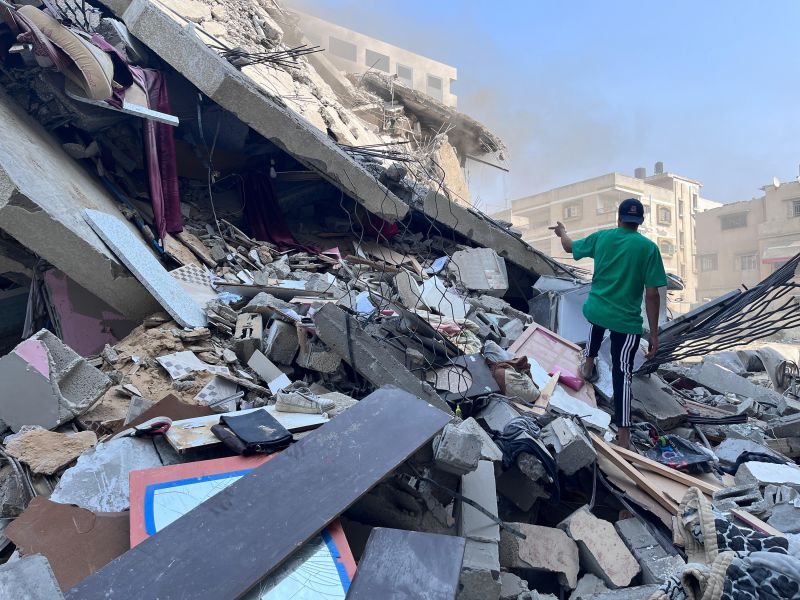
Medical sources in Gaza report that the death toll has reached 72289 since the start of the Israeli aggression, which began on October 7, 2023. This figure reflects the scale of the humanitarian suffering experienced by the residents of the enclave amid escalating military operations.
The pressures on the besieged enclave continue, with residents suffering from severe shortages of essential supplies, including food, water, and medicine. International reports have indicated that the humanitarian situation in Gaza has reached catastrophic levels, necessitating urgent action from the international community.
Details of the Incident
Since the onset of the aggression, many areas in Gaza have been subjected to intensive aerial and artillery bombardment, leading to the destruction of infrastructure and the displacement of thousands of residents. Local sources have confirmed that the bombardment has specifically targeted residential areas, resulting in a significant number of civilian casualties.
International calls for a ceasefire are increasing, with many countries and humanitarian organizations expressing concern over the worsening situation. In this context, the United Nations Secretary-General has called for the protection of civilians and the provision of urgent humanitarian assistance.
Background & Context
The roots of the Israeli-Palestinian conflict extend back decades, with the region witnessing numerous wars and conflicts. The current aggression is part of a series of escalations that Gaza has experienced, which often exacerbate humanitarian conditions.
Gaza is considered one of the most densely populated areas in the world, with over two million people living under difficult conditions. The blockade imposed on the enclave since 2007 has contributed to the deterioration of economic and social conditions, making the population more vulnerable to humanitarian crises.
Impact & Consequences
The Israeli aggression has a significant impact on regional stability, with growing fears of escalating violence in other parts of Palestine as well as in neighboring countries. The deteriorating humanitarian conditions may lead to new waves of displacement and migration.
There is increasing pressure on Arab governments and the international community to intervene and halt the aggression, with many calling for justice for the victims and accountability for those responsible for the violations. This situation could lead to changes in regional and international policies regarding the Palestinian issue.
Regional Significance
The situation in Gaza poses a major challenge for Arab countries, as public pressure mounts to support the Palestinians. Many Arab nations have witnessed solidarity demonstrations with Gaza, reflecting the Arab street's concern over the humanitarian conditions there.
The humanitarian crises in Gaza require an urgent response from Arab nations, as these countries can play a vital role in providing humanitarian aid and political support to the Palestinians. Strengthening Arab unity in the face of common challenges is essential at this stage.
In conclusion, the situation in Gaza remains tragic and requires urgent action from the international community to end the aggression and provide necessary humanitarian assistance. The continuation of violence will only exacerbate conditions, necessitating the search for peaceful and lasting solutions to the Israeli-Palestinian conflict.