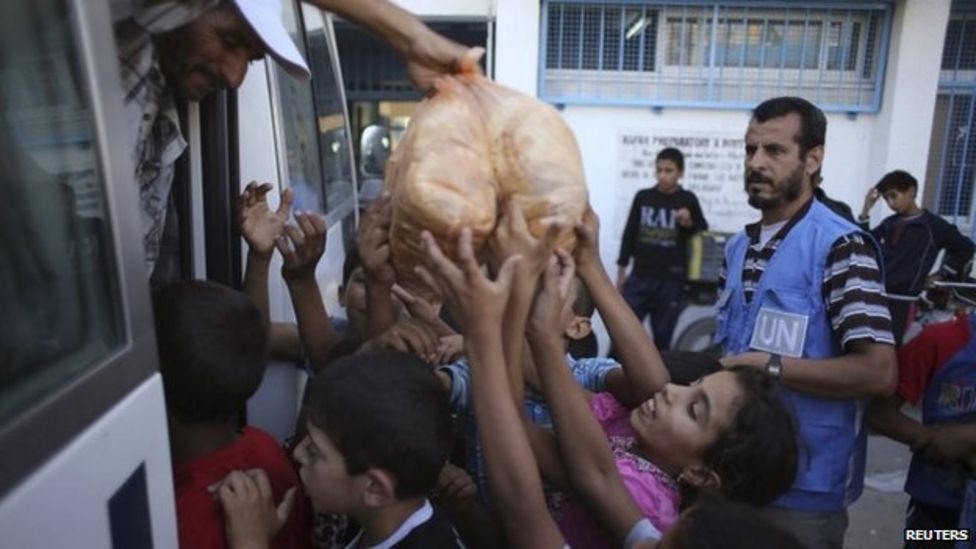
Medical sources in the Gaza Strip have reported that the death toll has risen to 72,312 individuals as a result of the ongoing military escalation in the area. This increase comes amidst dire humanitarian conditions faced by the residents of the Strip, where the need for humanitarian aid is becoming increasingly urgent.
Reports indicate that continuous bombardment by Israeli forces has resulted in the deaths of many civilians, including women and children. The situation in hospitals has become tragic, suffering from a severe shortage of medical supplies and necessary medications to treat the injured.
Details of the Incident
Since the beginning of the escalation, Gaza has witnessed intensive bombardments targeting residential areas, markets, and vital facilities. This has led to the destruction of numerous homes, forcing thousands to flee to safer locations. Additionally, reports suggest that the number of injured has exceeded 100,000, further straining the already faltering healthcare system in the region.
Clashes continue between Palestinian factions and Israeli forces, complicating the security situation further. International human rights organizations have issued statements condemning the excessive use of force by Israeli troops, warning of dire consequences for civilians.
Background & Context
The history of the conflict in Gaza spans decades, with the region experiencing numerous wars and disputes. The recent escalation is part of the ongoing tensions between Palestinians and Israelis, which have intensified following a series of political and social events. Israeli policies towards Palestinians have exacerbated the humanitarian conditions in Gaza, making the situation more complex.
Gaza is considered one of the most densely populated areas in the world, with over 2 million people living in a small space. The blockade imposed on the Strip for many years has significantly impacted the daily lives of residents, making them vulnerable to recurring humanitarian crises.
Impact & Consequences
The repercussions of this escalation extend beyond Gaza, affecting relations between countries in the region. Arab and international nations are closely monitoring the situation, with increasing calls for a ceasefire and the initiation of political dialogue to resolve the conflict. Furthermore, the deteriorating humanitarian conditions may lead to a flow of refugees into neighboring countries, increasing pressure on these nations.
Concerns are rising that the continuation of the escalation could ignite tensions in other parts of the Middle East, threatening regional stability. International organizations have warned that the situation in Gaza could turn into a major humanitarian crisis if urgent actions are not taken.
Regional Significance
The events in Gaza are part of the Israeli-Palestinian conflict that affects all Arab countries. Many Arab nations express solidarity with the Palestinian people and call for an end to the Israeli occupation. The conditions in Gaza evoke feelings of anger and concern in the Arab street, potentially leading to protests in various countries.
Ultimately, there remains hope that the international community can intervene effectively to halt the escalation and provide necessary humanitarian assistance to those affected. The situation in Gaza requires urgent attention from all concerned parties to ensure the protection of civilians and achieve lasting peace.