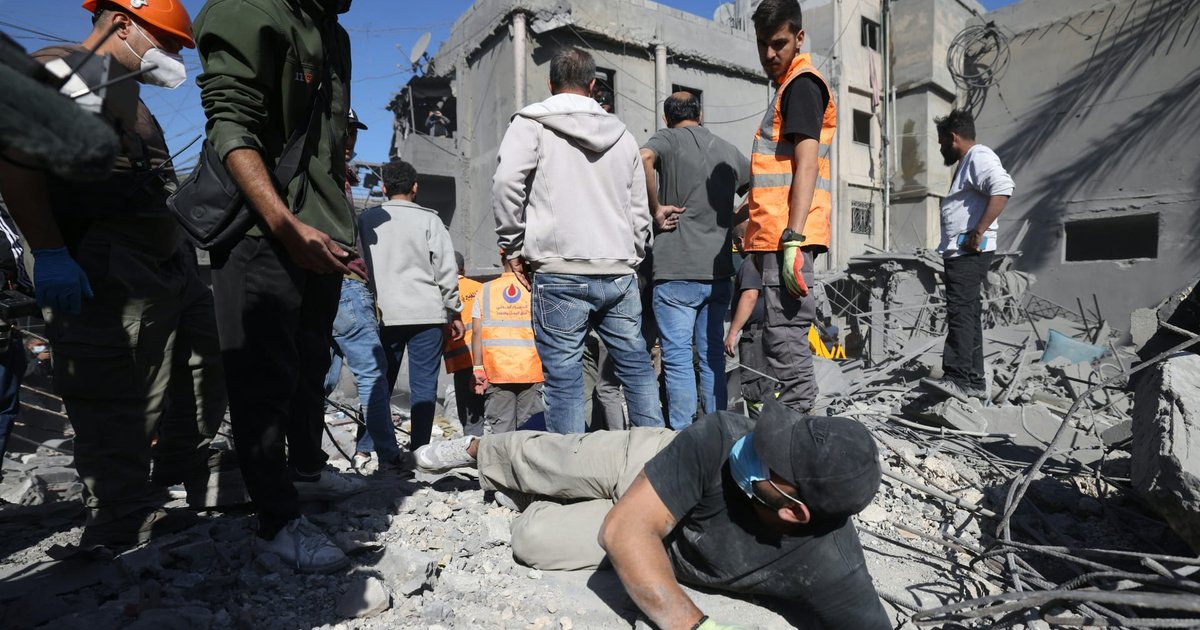
The Lebanese Ministry of Public Health has announced that the death toll from Israeli airstrikes since the onset of the conflict with Hezbollah on March 2, 2023, has reached 1116 individuals, including 121 children. Reports indicate that the conflict has resulted in over 3000 injured and 1 million displaced, reflecting the scale of the humanitarian disaster gripping the country.
These figures come at a time of escalating tensions between Israel and Hezbollah, with violent clashes reported in border areas, leading to an intensification of military operations from both sides. These events have significantly impacted civilians, who have become victims of the ongoing conflict.
Details of the Conflict
The military operations between Hezbollah and Israel commenced in early March, when Hezbollah launched rockets at Israeli positions, prompting a heavy military response from the Israeli army. Israeli airstrikes targeted residential and civilian areas, increasing the number of civilian casualties.
These figures are part of a worsening humanitarian crisis in Lebanon, where residents are suffering from severe shortages of essential supplies and healthcare services, exacerbating their suffering under the current conditions. International humanitarian organizations have warned of a further deterioration of the situation if urgent measures are not taken to halt hostilities.
Background & Context
Historically, Lebanon has experienced multiple conflicts with Israel, with the last major war occurring in 2006, which resulted in widespread destruction across the country. Since then, there have been periods of relative calm, but tensions have never fully dissipated, as Hezbollah remains a prominent military and political force in Lebanon.
In recent years, regional tensions have escalated due to conflicts in Syria and Iraq, affecting the security situation in Lebanon. Additionally, Israeli interventions in Lebanese affairs, including airstrikes, have always been a significant concern for the Lebanese government and citizens.
Impact & Consequences
The repercussions of the current conflict extend beyond Lebanese borders, potentially leading to a broader escalation in the region. The conflict between Israel and Hezbollah could draw in other regional powers, complicating the security situation in the Middle East.
The economic impact of the conflict will also be substantial, as Lebanon is already grappling with a crippling economic crisis. With the increasing numbers of displaced individuals and casualties, the Lebanese government will face greater challenges in providing humanitarian aid and essential services.
Regional Significance
The current conflict is part of a broader struggle in the region, where regional and international interests intersect. The continuation of hostilities could destabilize neighboring countries, such as Syria and Palestine, threatening peace efforts in the area.
Ultimately, the situation in Lebanon requires an urgent response from the international community, with efforts needed to establish a ceasefire and provide humanitarian assistance to those affected. The ongoing conflict will only exacerbate the humanitarian and economic crises in Lebanon, necessitating swift action from all concerned parties.