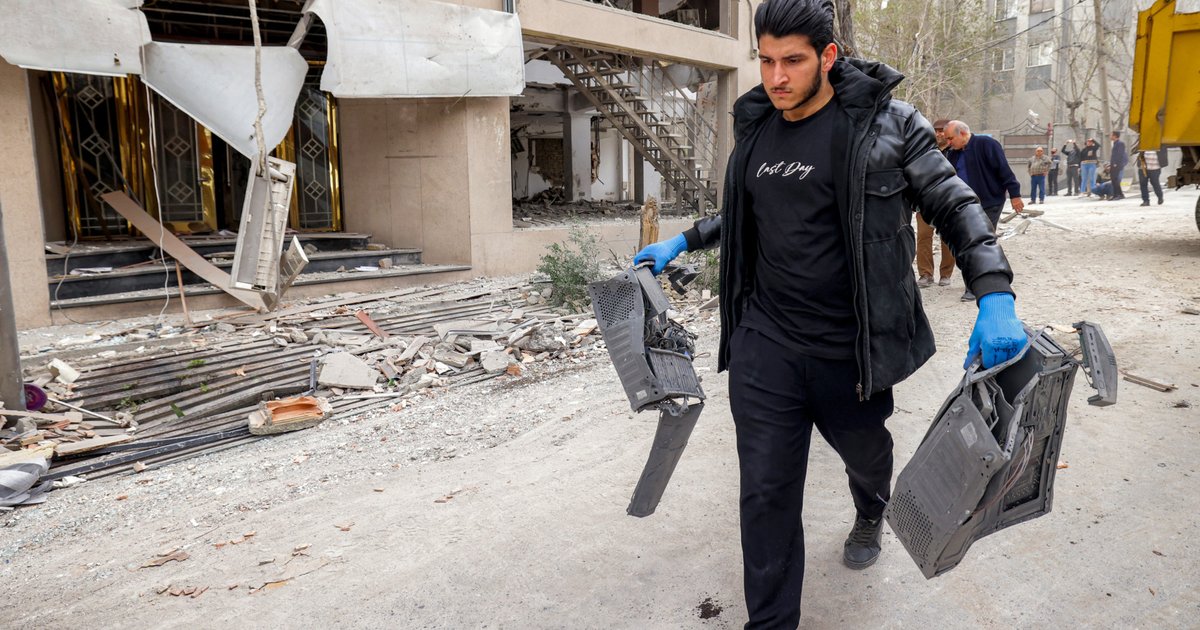
The Lebanese Ministry of Health has reported that the death toll from the Israeli military escalation in Lebanon has exceeded 1200 individuals over the past four weeks. Reports indicate that among the deceased are 124 children, while more than 3500 others have been injured, placing the country in a state of increasing concern regarding humanitarian conditions.
Over the weekend alone, 49 individuals were killed, including 10 rescue workers and 3 journalists, reflecting the severity of the situation in the affected areas. These figures have heightened fears about the potential for the death toll to rise further, especially following statements from Israeli Prime Minister Benjamin Netanyahu, who affirmed that his country is determined to 'radically change the situation in the north.'
Details of the Ongoing Attacks
Israeli attacks on Lebanon are intensifying, targeting residential areas and infrastructure, leading to widespread destruction and the displacement of populations. Reports have shown that many of the victims are civilians, raising concerns about the humanitarian impact of these military operations.
As the escalation intensifies, calls from human rights organizations and the international community to cease hostilities and protect civilians are growing louder. The Lebanese Ministry of Health has confirmed that the health situation in the country is worsening, with hospitals under immense pressure due to the increasing number of injured.
Background & Context
Historically, Lebanon has experienced multiple conflicts with Israel, with civil wars and border disputes being part of the country's history. Since 2006, when the July War broke out, tensions between the two sides have not ceased, but the current escalation is considered among the most severe in recent years.
These events come at a sensitive time for the region, as tensions between regional and international powers are escalating, complicating the situation in Lebanon. Political and economic crises in the country have exacerbated humanitarian conditions, making the current situation even more precarious.
Impact & Consequences
Analyses indicate that the military escalation may worsen humanitarian conditions in Lebanon, where residents are suffering from acute shortages of basic needs. Additionally, the continuation of attacks may contribute to increasing tensions between Lebanon and Israel, potentially leading to a larger escalation of the conflict.
Moreover, the current situation may affect regional stability, as other powers could intervene in the conflict, further complicating the circumstances. The international community is facing significant challenges in addressing these crises, with calls for a cessation of hostilities increasing.
Regional Significance
The events in Lebanon are part of the larger picture of conflicts in the region, with other Arab countries being affected by ongoing tensions. The escalation of violence in Lebanon could have repercussions for neighboring countries, such as Syria and Palestine, complicating humanitarian conditions in those areas.
Furthermore, the situation in Lebanon highlights the urgent need for comprehensive political solutions to the crises in the region, as the continuation of armed conflicts only exacerbates humanitarian conditions and increases civilian suffering.