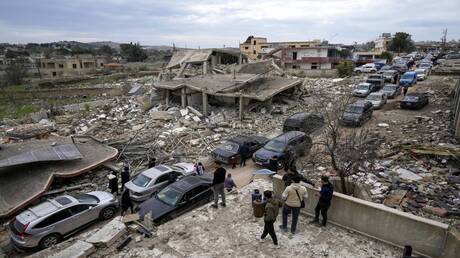
The Lebanese Ministry of Health announced today that the number of victims in the country has risen to 1497 dead and 4639 injured since the beginning of March. In the last few hours, 18 new fatalities have been recorded since dawn today, highlighting the deteriorating humanitarian conditions in Lebanon.
These figures come at a time when the country is suffering from multiple crises, including a severe economic collapse and a decline in essential services. The security situation in Lebanon is becoming increasingly complicated, as protests and demonstrations surge in the streets, putting additional pressure on the government.
Details of the Incident
Reports indicate that the number of casualties in Lebanon has significantly increased in recent weeks, reflecting a rise in violence across the country. The most affected areas by the conflict have seen a surge in fatalities, raising concerns about the humanitarian situation.
Relief efforts continue, but they face significant challenges due to a lack of resources and funding. Many humanitarian organizations are working to provide assistance, yet the situation remains critical, with many in urgent need of support.
Background & Context
Lebanon has a long history of conflicts and political crises, but the current situation is considered one of the most complex. Since 2019, Lebanon has been grappling with a crippling economic crisis that has led to the collapse of the local currency and rising poverty rates.
Historically, crises in Lebanon have been accompanied by internal and external political conflicts, making it difficult to achieve stability. The current conditions reflect the continuation of these dynamics, with increasing divisions among various segments of Lebanese society.
Impact & Consequences
The implications of these figures for Lebanon are significant, affecting social and economic stability. The rising death toll could exacerbate security conditions, increasing the likelihood of further protests.
Moreover, the deteriorating humanitarian situation may drive more Lebanese to emigrate in search of a better life, worsening the migration crisis in the region. Neighboring countries may also face repercussions from these crises, as they could be affected by a potential increase in the number of refugees.
Regional Significance
The events in Lebanon have wide-ranging effects on the Arab region. Lebanon is considered an important cultural and political center, and any disturbances there could impact stability in neighboring countries.
Lebanon's experiences in dealing with crises may offer lessons to other countries in the region, many of which face similar challenges. Regional cooperation may be essential to effectively address these crises.
In conclusion, the situation in Lebanon requires urgent international attention, as the increasing numbers of victims indicate a worsening humanitarian crisis that needs a swift and effective response.