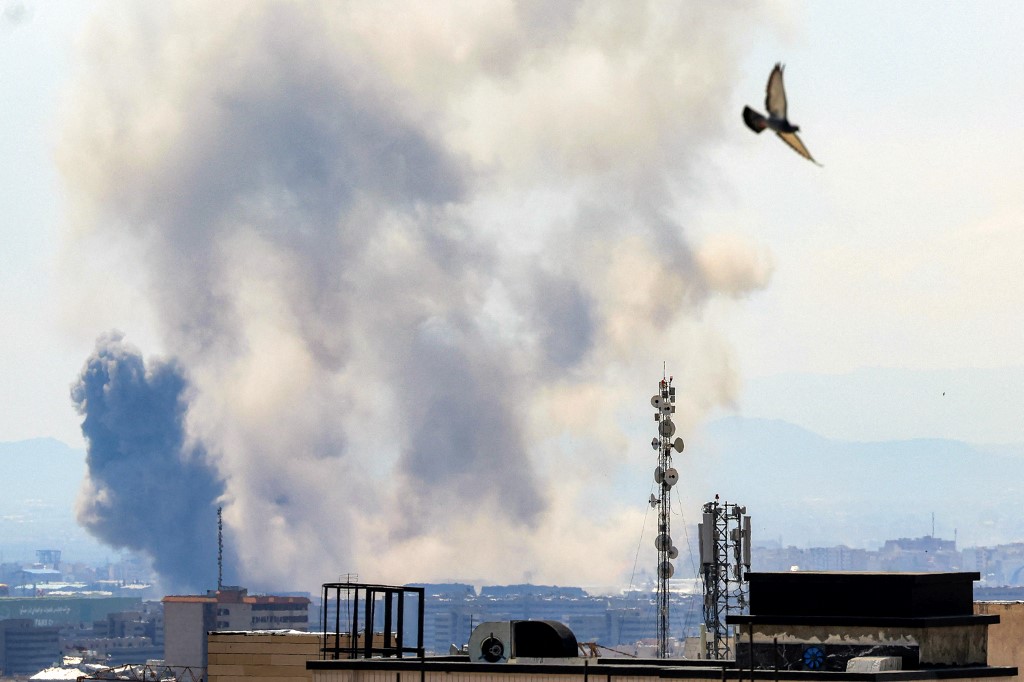
The Lebanese Ministry of Health has announced that the number of deaths resulting from Israeli airstrikes in Lebanon has increased to 1,530 since March 2. The toll includes 102 women, 130 children, and 57 medical personnel, in addition to 4,812 injured individuals.
This rise in numbers reflects the increasing violence and military operations in the area, as the ministry reported 1,497 fatalities the previous day.
Details of the Situation
Israeli airstrikes continue to escalate tensions in Lebanon, with attacks focused on residential areas and vital facilities. These military operations have sparked widespread international condemnation, raising concerns about their humanitarian consequences.
The figures released by the Ministry of Health indicate that the humanitarian impact goes beyond mere numbers, as families suffer from the loss of loved ones and the destruction of their homes, exacerbating the humanitarian crisis in the country.
Background & Context
Lebanon has historically experienced multiple conflicts, but the current situation is considered one of the most complex. Since the outbreak of the Israeli-Lebanese conflict in 2006, the country has witnessed several rounds of violence. With rising regional tensions, Lebanon has become a battleground for various powers, increasing the suffering of civilians.
The political and social dimensions intertwine in Lebanon, where the country is grappling with a crippling economic crisis that complicates access to humanitarian aid and essential services.
Impact & Consequences
Reports indicate that the escalation of violence could worsen humanitarian conditions, necessitating international intervention. The continuation of airstrikes threatens regional stability and may provoke reactions from neighboring countries.
Concerns are growing about a mass exodus of civilians, which would increase the burdens on neighboring states. The situation may also affect peace efforts in the region, as diplomatic initiatives become more complicated amid rising violence.
Regional Significance
The events in Lebanon serve as a barometer for escalating regional tensions and their impact on human security. The international community's response will be crucial in addressing the humanitarian crisis and stabilizing the region.
As the situation unfolds, the need for a concerted effort to alleviate the suffering of civilians becomes increasingly urgent, highlighting the importance of diplomatic engagement and humanitarian assistance.