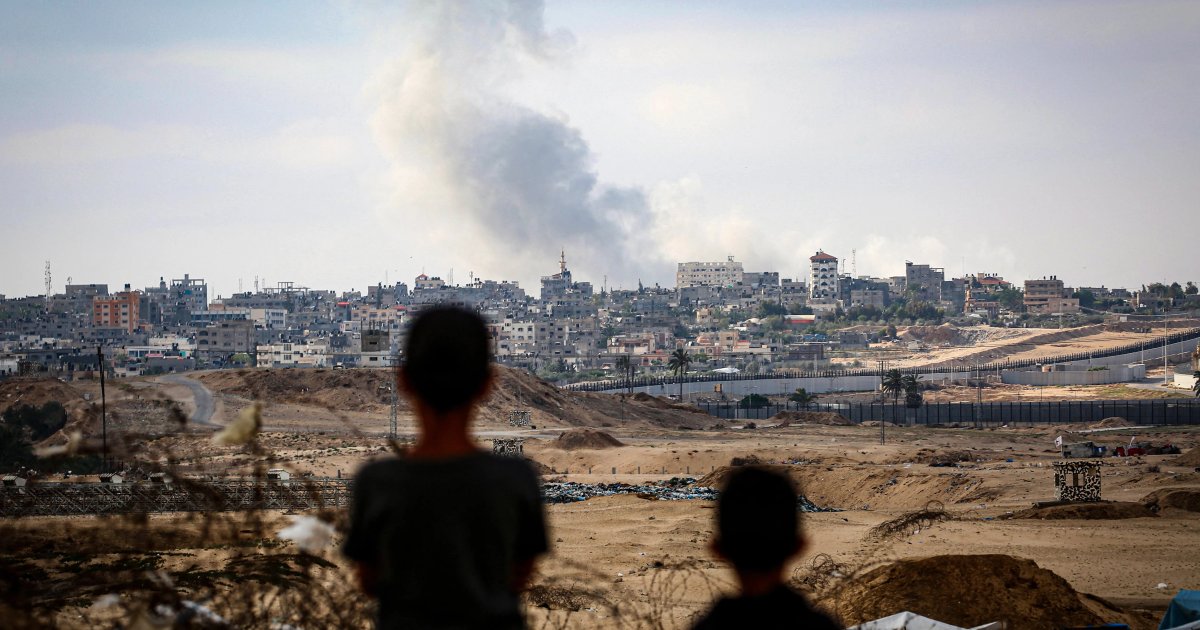
Local sources report that the death toll from the Israeli aggression on Gaza has reached 72,292 martyrs, amid ongoing escalation for several weeks. The numbers continue to rise as bombardments target residential areas and infrastructure, raising international concern and increasing calls for a ceasefire.
Reports indicate that the aggression has resulted in widespread destruction across the region, with many homes, schools, and health facilities damaged. Disturbing images circulated on social media reveal the scale of the humanitarian disaster faced by the residents of Gaza.
Details of the Incident
Since the onset of the aggression, Israeli forces have continued air, naval, and ground bombardments, exacerbating the humanitarian situation. Statistics show a continuous increase in the number of children and women among the martyrs, highlighting the devastating impact of this conflict on civilians.
At the same time, humanitarian organizations continue to provide aid, but access to those affected remains a significant challenge due to ongoing bombardments and the blockade imposed on the region. Many countries have called for an urgent cessation of hostilities and the opening of humanitarian corridors to deliver necessary aid.
Background & Context
The roots of the conflict in Gaza date back decades, marked by tensions between Palestinians and Israelis, with the region witnessing numerous wars and military operations. The current aggression is part of a series of escalations that have been ongoing for several years, with clashes recurring periodically.
The situation in Gaza is considered one of the most complex humanitarian crises in the world, where residents live under harsh conditions of poverty and unemployment, along with a severe shortage of essential resources. These conditions have exacerbated the health and psychological situations of the population.
Impact & Consequences
The aggression on Gaza significantly affects the political landscape in the region, increasing pressure on Arab governments to intervene and halt the escalation. There are also growing calls from the international community to activate peace efforts, but these calls are often met with rejection from the involved parties.
Economically, concerns are rising over the worsening economic conditions in the region, as many Arab countries face economic crises, especially amid political tensions. The continuation of the aggression could exacerbate these crises and increase the suffering of the people.
Regional Significance
The events in Gaza are part of a larger landscape of conflicts in the region, directly affecting neighboring countries. There are increasing fears of a refugee influx into neighboring states, potentially creating new humanitarian crises.
Additionally, the events in Gaza provoke widespread reactions in the Arab world, renewing calls for solidarity with the Palestinian people. These events could lead to heightened tensions between Arab governments and Israel, complicating the situation in the region.
In conclusion, the situation in Gaza remains alarming, with numbers rising daily. Urgent action from the international community is required to end this conflict and provide necessary humanitarian assistance to those affected.