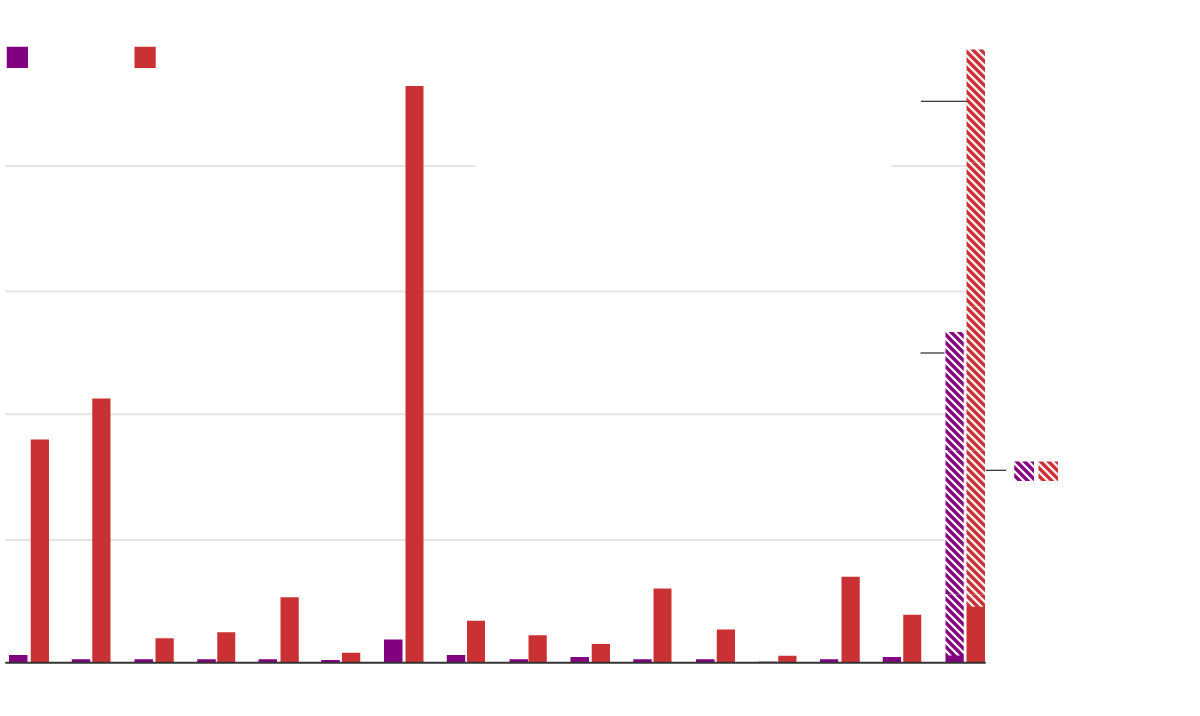
The death toll and injuries in the Iran war are increasing, with the latest statistics indicating widespread impacts on the region. The figures include casualties from various parties, including Americans, reflecting the scale of the escalating conflict.
In the absence of independent investigations, the numbers related to casualties in the Iran war remain inaccurate, complicating the understanding of the situation. Reports indicate that the death toll has exceeded thousands, with serious injuries among both civilians and military personnel.
Details of the Conflict
Estimates suggest that the number of deaths in the Iranian conflict has risen significantly, with figures including casualties from Iran, Israel, Gulf countries, as well as Lebanon, the West Bank, Syria, and Jordan. This escalating conflict highlights the increasing regional tensions, which require careful analysis to understand the complex dynamics governing this war.
Reports also indicate that there are a number of Americans who have died in the conflict, adding another dimension to the crisis. This situation raises concerns about the potential escalation of the conflict and its impact on regional and international security.
Background & Context
Historically, the region has witnessed ongoing tensions between Iran and other countries, especially Israel. These tensions date back decades, with multiple conflicts over influence and control. In recent years, these tensions have significantly escalated, leading to the outbreak of armed conflicts.
The Iran war is considered part of a broader struggle involving regional and international powers, where political and economic interests intersect. This historical context reflects how conflicts in the region are not merely transient events but are the result of long-standing accumulations of conflicts and tensions.
Impact & Consequences
The consequences of the Iran war extend beyond the country's borders, affecting regional stability. The conflict threatens to ignite new conflicts in the region, which could exacerbate humanitarian and economic crises.
The increasing numbers of casualties and injuries reflect the scale of suffering faced by civilians, necessitating an urgent international response. The international community is called upon to intervene to mitigate the conflict and provide humanitarian assistance to those affected.
Regional Significance
The Iran war directly affects neighboring Arab countries, with growing fears of the conflict spreading to other nations. Tensions between Iran and Gulf countries, for example, could lead to escalating security situations in the region.
The economic impact of the conflict could be significant, potentially affecting oil prices and regional trade. Under these circumstances, Arab countries must take proactive steps to ensure their security and stability.
In conclusion, the Iran war remains a complex issue requiring ongoing international attention. The increasing numbers of casualties and injuries indicate the urgent need for efforts to find peaceful solutions to the conflict and provide support to those affected by this crisis.