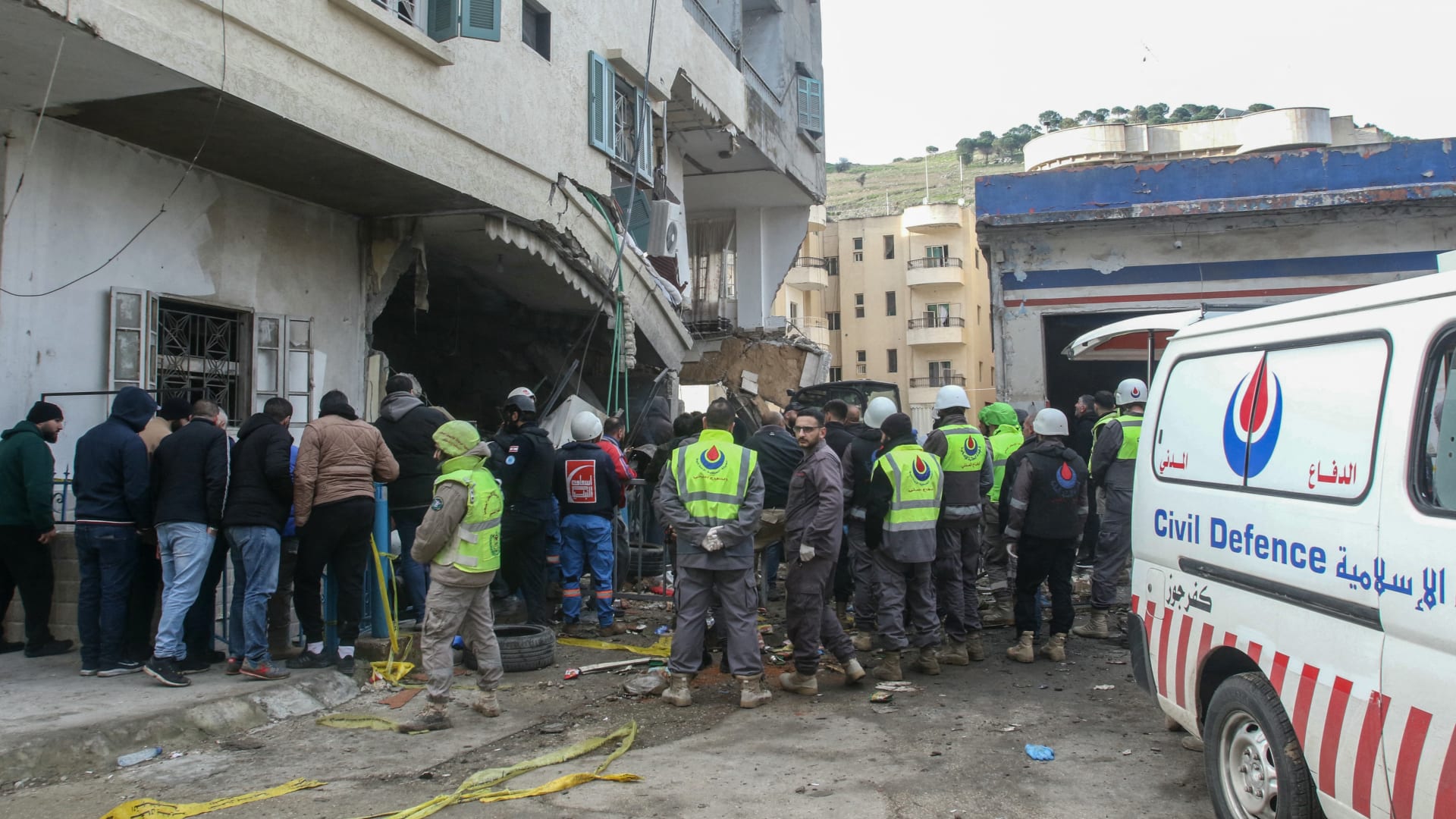
Iran witnessed bloody events yesterday, as 12 people were killed in attacks carried out by both the US military and the Israeli army on civilian targets in the provinces of East Azerbaijan and Lorestan. These attacks come amid escalating tensions between Tehran, Washington, and Tel Aviv, reflecting the deteriorating security conditions in the region.
According to the semi-official Fars News Agency, the attacks resulted in the deaths of four individuals and injured six others when a civilian building was targeted in the Nasr area of Tabriz, the capital of East Azerbaijan Province. Additionally, two people were killed in Lorestan Province due to the attacks, raising concerns among Iranian authorities regarding foreign interventions in the country's internal affairs.
Details of the Attacks
The attacks, executed using drones and missiles, directly targeted civilian areas, which contradicts international laws prohibiting the targeting of civilians in armed conflicts. Eyewitnesses confirmed that the airstrikes caused widespread destruction in the area, leading to panic and fear among the local population.
Iranian Foreign Minister Hossein Amir-Abdollahian strongly condemned the attacks, stating that these aggressions represent a blatant violation of Iranian sovereignty. He accused Tehran's adversaries, the US and Israel, of working to undermine security and stability in the region.
Background & Context
These events occur in the context of rising tensions between Iran and Western countries, especially following the US withdrawal from the nuclear deal in 2018 and the imposition of severe economic sanctions on Tehran. Iran is attempting to bolster its defenses through military cooperation with countries like Russia, further complicating its relations with Washington and Tel Aviv.
The Iran-US relationship has played a central role in Middle Eastern politics, where both the US and Israel view Iran as a threat to regional security. This perspective has driven them to take direct military actions against Tehran and its interests in countries such as Syria and Iraq.
Impact & Consequences
Reports indicate that these attacks will escalate tensions in the region, which could provoke military or political reactions from Iran. Tehran is likely to respond to these aggressions by targeting American and Israeli interests in the area, potentially leading to greater military escalation.
Furthermore, the destruction caused by the attacks will contribute to heightened public discontent toward the Iranian government, as its inability to protect citizens from external threats will come under scrutiny. This is in addition to potential economic repercussions resulting from these security disturbances.
Regional Significance
This military escalation between Iran, the US, and Israel could significantly impact neighboring Arab countries, especially those with ties to Washington. It is evident that these events will have implications for the ongoing conflict in the region, potentially igniting new tensions among factions.
In countries like Iraq and Syria, where US forces are deployed, this escalation may lead to an increased likelihood of retaliatory strikes by Iran-backed armed groups, complicating the security situation in those areas.
In conclusion, the international community must intervene to mitigate the alarming escalation in the region and promote diplomatic dialogue among the involved parties.