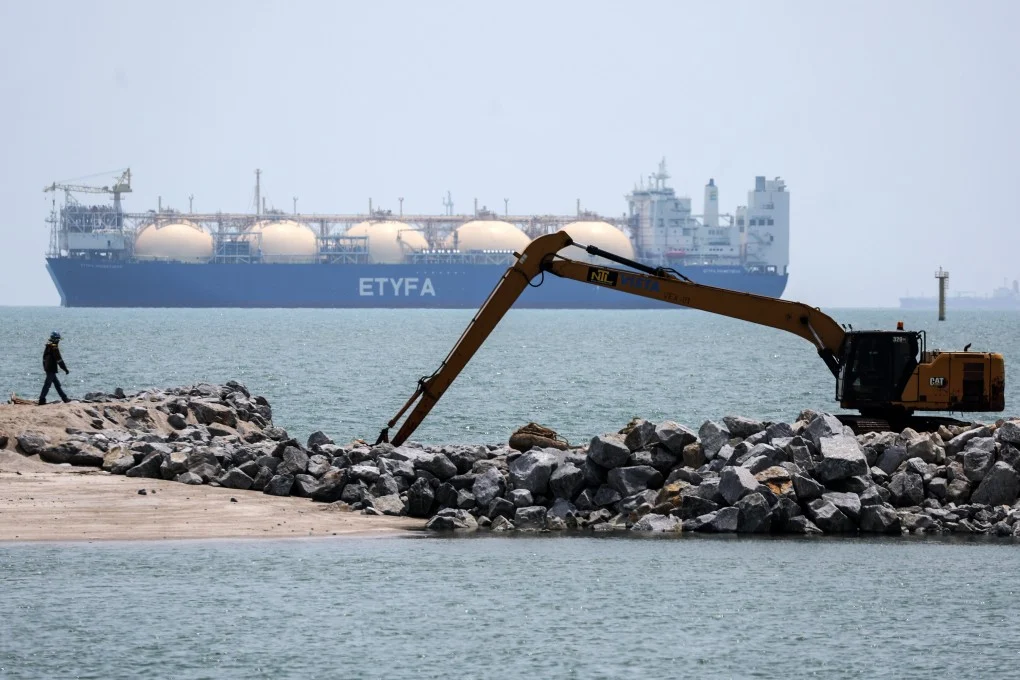
The Strait of Malacca has become a focal point for global interest after Iran's closure of the Strait of Hormuz, leading to discussions on how to manage this strategic waterway. Last week, Indonesian officials proposed the idea of imposing fees on ships passing through the strait, igniting widespread debate about the feasibility of such a measure.
As Indonesia contemplates this proposal, both Malaysia and Singapore emphasize the necessity of maintaining freedom of navigation in this crucial corridor. The Strait of Malacca is one of the most important maritime passages in the world, with approximately 40% of global trade traversing it, making any changes to transit policies significantly impactful on the global economy.
Controversial Proposal of Fees
The notion of imposing fees on ships in the Strait of Malacca is contentious, with some believing it could lead to increased shipping costs and harm international trade. Conversely, others argue that these fees could help fund infrastructure improvements for the strait and enhance maritime security.
Perspectives among the countries bordering the strait vary, as Indonesia seeks to bolster its control over the passage, while Malaysia and Singapore prefer to uphold the principle of free navigation. This divergence in views reflects the challenges these nations face in balancing their maritime resource management.
Background & Context
Historically, the Strait of Malacca has played a vital role in maritime trade, serving as a meeting point between East and West. Since ancient times, traders have utilized this passage for transporting goods, establishing it as a strategic hub for many nations. In recent years, regional tensions have escalated due to territorial disputes and shifts in maritime policies.
The strait's significance has only grown, especially in light of geopolitical developments, and the current discussions around potential fees highlight the complexities involved in managing such a critical waterway.
Impact & Consequences
If fees are imposed on ships in the Strait of Malacca, it could lead to increased shipping costs, which would affect commodity prices in global markets. Additionally, this might result in altered shipping routes, as vessels may seek alternative paths to avoid the fees. On the other hand, the revenue generated from these fees could contribute to improving the strait's infrastructure and enhancing maritime security, potentially benefiting the bordering nations.
Moreover, the implications of such a decision could resonate beyond the immediate region, influencing global trade dynamics and economic stability.
Regional Significance
The Strait of Malacca's strategic importance cannot be overstated, as it serves as a critical artery for international trade. Any changes in navigation policies could have far-reaching effects on shipping costs and, consequently, on prices in global markets. The stability of navigation in the strait is vital for the economic security of not only the countries bordering it but also for the broader international community.
In conclusion, the debate surrounding the potential imposition of fees in the Strait of Malacca underscores the intricate balance of interests at play in this vital maritime corridor. As discussions continue, the outcomes will likely shape the future of navigation and trade in the region.