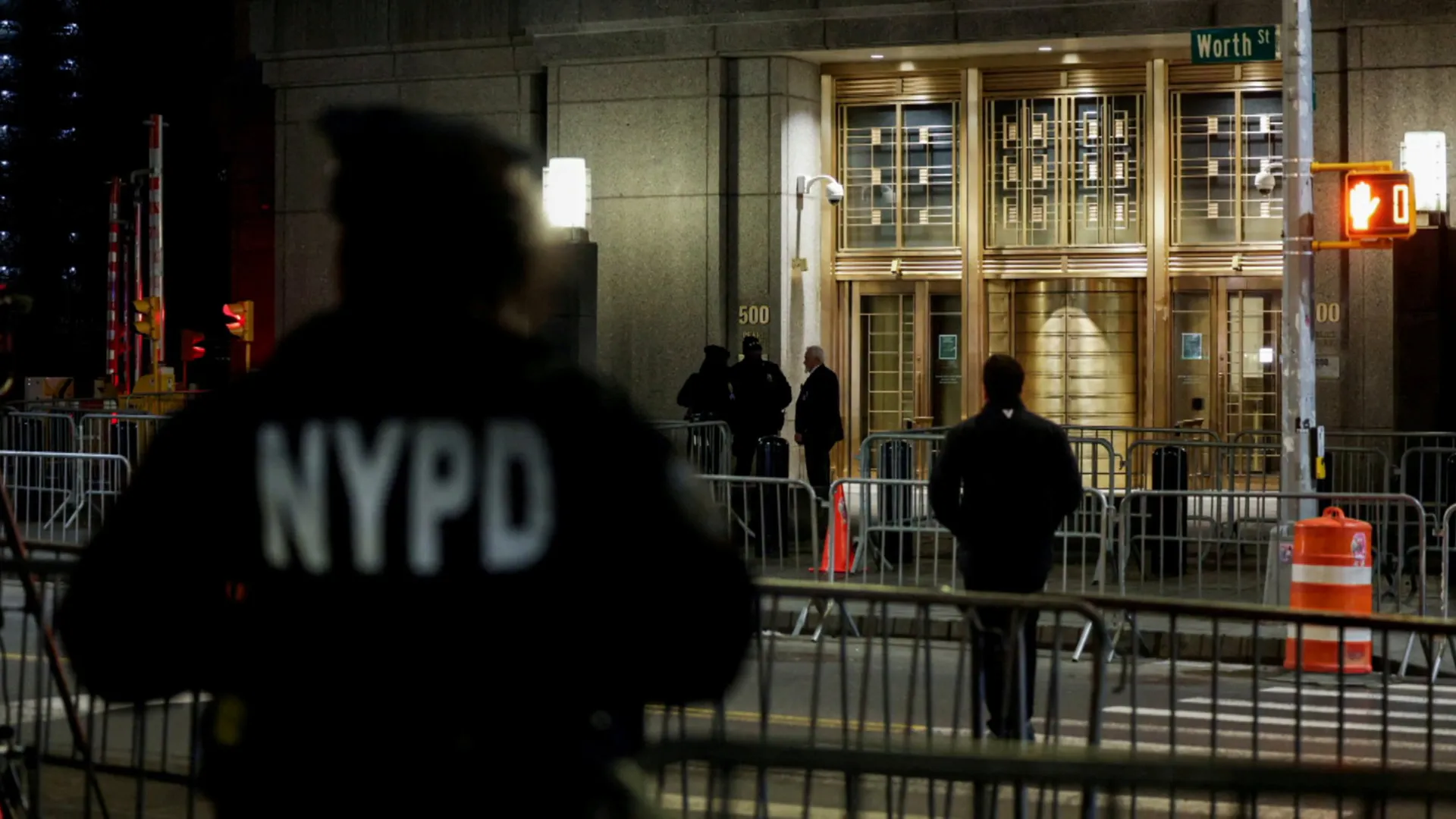
The reports regarding the conditions of former Venezuelan President Nicolás Maduro's detention at the Brooklyn jail in New York have generated widespread reactions on social media. Maduro is reportedly in near-total isolation, raising questions about the extent to which these conditions violate the rights and human dignity of detainees.
Since appearing handcuffed in court, Maduro has been out of the spotlight, held at the federal detention center in Brooklyn, which is the only federal facility in New York City and houses approximately 1,300 inmates awaiting trial.
Details of the Situation
Concerns are escalating regarding the conditions of this facility, which judges have described as suffering from "brutal and degrading conditions." The center is facing severe shortages of medical care, extreme overcrowding, frequent power outages, and rampant violence and drug trafficking within its walls, leading to recorded incidents of stabbings and murders in the past.
According to CNN, Maduro spends his time in a special housing unit in near-complete isolation, where he reportedly spends 23 hours a day with little to no communication. He does not communicate with his wife, Cilia Flores, who is held in the same wing, and his calls and visits are subject to strict monitoring. Reports indicate that he has lost a significant amount of weight due to the meals provided to him through a small slot in the door, which are often expired or poorly cooked.
Context and Background
In contrast, U.S. authorities have denied some of these claims, with Maduro's son stating that his father's morale is high and that he exercises daily. He also confirmed that his mother is "resilient and alert" despite the harsh conditions. Maduro faces charges related to money laundering and drug trafficking, and former President Donald Trump has indicated that additional charges will be brought against him, expressing his belief that upcoming trials will reveal greater dangers than those included in the current charges.
Trump described Maduro's arrest as a "major political success," touching on the possibility of running for the presidency in Venezuela, stating: "I have the highest approval rating there, and I believe I could go to Venezuela and run for president and compete against Delsy... they love me in Venezuela."
Impact and Consequences
Maduro's arrest has resonated widely on social media, with a segment from the program "Networks" capturing activists' comments on the conditions of his detention. One person wrote: "Maduro is facing his worst days, but no matter what he did, he should not be treated this way." Meanwhile, another pointed to the notorious reputation of this jail, considering that harsh conditions are a common feature of American prisons.
Some comments have raised legal and ethical issues regarding the venue for Maduro's trial, with one activist questioning: "I mean, a former president, no matter what he has done, should be tried by his people and within his country."
Impact on the Arab Region
The Maduro case exemplifies how U.S. politics can affect other countries, highlighting questions about human rights and justice in the context of detention. This case also reflects the political tensions in Latin America and their impact on international relations.
In conclusion, the Maduro case remains a focal point for the world, intertwining human rights and international politics, making it a matter worthy of close monitoring.