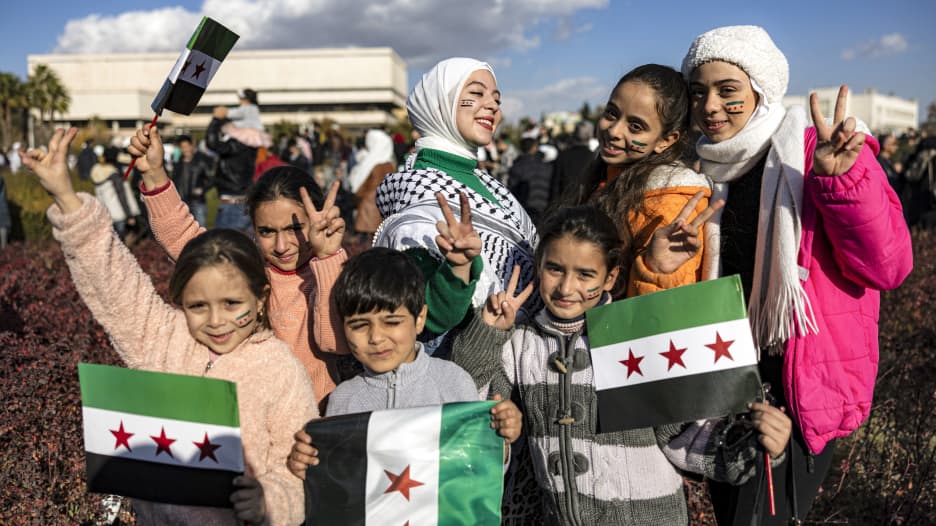
The issue of Syrian refugees returning from Germany to their homeland has resurfaced, particularly during the visit of transitional Syrian President Ahmad al-Shara to Berlin, where he met with German Chancellor Friedrich Merz. The meeting, which took place last Monday, revealed a clear political inclination towards increasing the number of voluntary returnees to Syria.
During the meeting, Merz expressed his hope for the return of around 80% of the Syrians residing in Germany over the next three years, a timeline that coincides with the end of his government term in 2029. However, these statements have elicited mixed reactions in both Germany and Syria, with some considering them unrealistic given the current circumstances.
Details of the Meeting
Despite German Foreign Minister Johann Wadephul defending Merz's statements, they faced significant criticism from coalition partners and opposition members, as well as from economic experts. The criticism focused on the feasibility of these figures and the legal and humanitarian obstacles that could hinder their implementation.
Deputy Chair of the Social Democratic Party, Anke Reilinger, argued that presenting specific numbers for certain timeframes could raise expectations unreasonably. She pointed out that many Syrians have become integral to German society, working in sectors experiencing labor shortages.
Background & Context
This debate arises at a time when the German economy is grappling with a skilled labor shortage, with Syrian doctors constituting the largest group of foreign physicians in the country. According to the German Hospital Federation, over 5,700 Syrian doctors work in German hospitals, highlighting the significance of Syrian medical personnel in the healthcare system.
Conversely, the attitudes of Syrians in Germany towards the idea of returning vary. Some believe that forced return is impossible, especially for those with children in schools or those who are employed or studying at universities. Others feel that return could be feasible if the right conditions are met.
Impact & Consequences
Research institutions are warning about the implications of a significant return of Syrian refugees, with the German Institute for Economic Research confirming that such a move could lead to a decline in the economy's productive capacity. Migration in recent years has helped mitigate the effects of demographic shifts and fill labor shortages.
Organizations are concerned that a mass return could exacerbate existing issues within the labor market and healthcare system, potentially leading to a crisis in these sectors.
Regional Significance
The discussions surrounding the return of Syrian refugees are not just a local issue but have broader implications for the region. The potential return of a large number of refugees could affect regional stability and the socio-economic dynamics in both Germany and Syria.
In conclusion, the conversation about the return of Syrian refugees is complex and multifaceted, requiring careful consideration of the realities on the ground and the potential consequences for all parties involved.