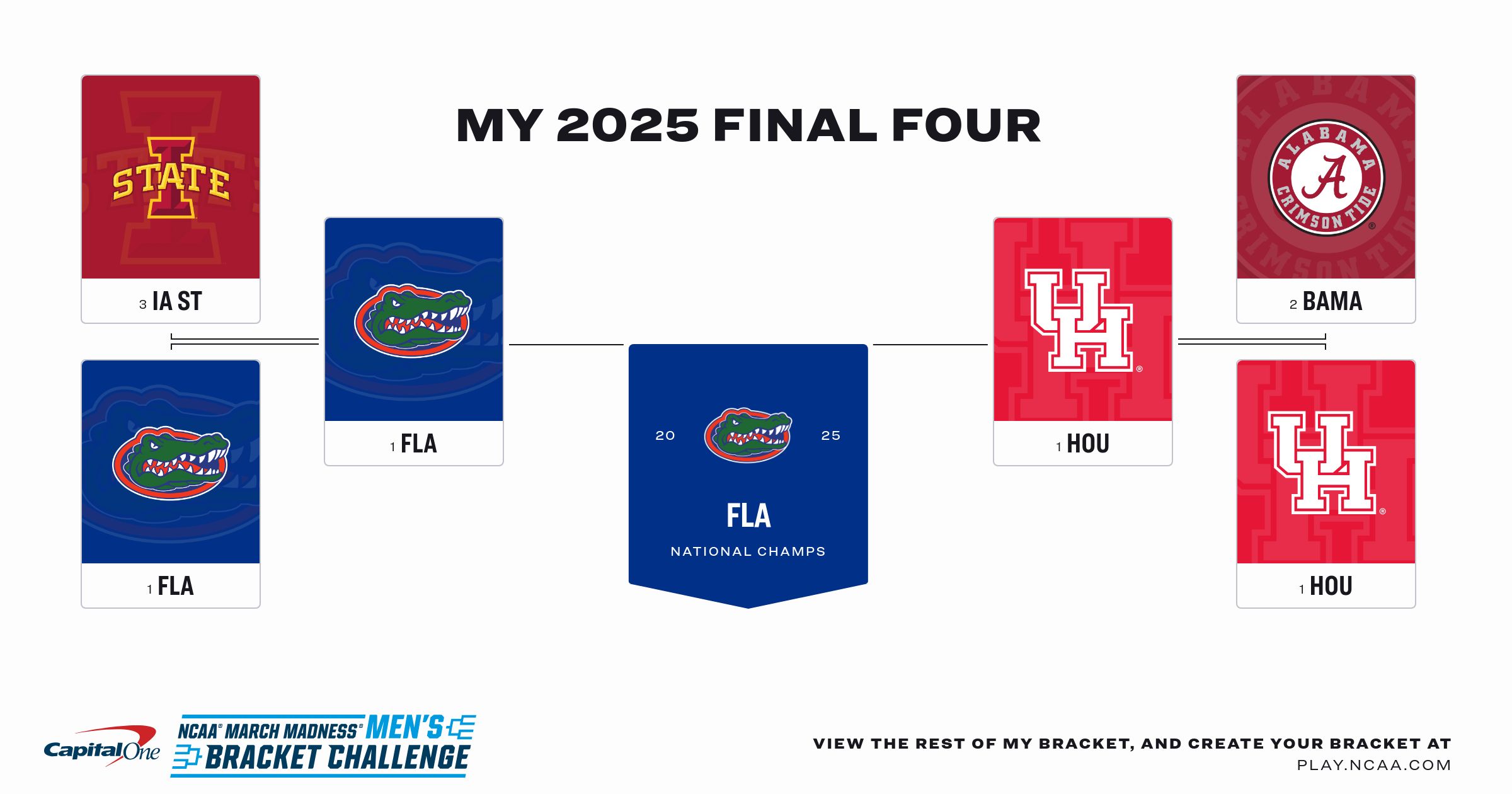
As the popularity of sports competitions increases, particularly those related to American basketball, the actions of one participant have raised ethical questions regarding prize distribution. One friend paid an entry fee of $10 for a competition, while another friend won a prize of $150. The question that arises here is: does the friend deserve half of the prize?
According to available information, there was no real expectation to split the prize among participants. This raises a debate about whether it is ethical for the person who paid the entry fee to claim half of the prize. In the world of sports and betting, such matters are common, but they remain a topic for discussion.
Details of the Situation
Sports competitions, such as March Madness, are events that attract many participants and fans. Participants fill out prediction forms for game outcomes and compete for cash prizes. In this case, one friend paid the entry fee, while the other filled out the form and predicted the results. When the latter won, the discussion began about whether the prize should be split.
It is worth noting that such situations are not new, as previous competitions have witnessed similar cases. Sometimes, there is a prior agreement on how to split the prizes, but in other instances, there may be misunderstandings or unclear expectations.
Background & Context
Historically, sports competitions and betting have been part of American culture, with March Madness being an annual event that attracts millions of fans. As the popularity of these events has grown, discussions about the ethics of prize distribution have become more common. In recent years, we have seen similar cases in other competitions where questions have arisen about how to handle prizes.
These discussions are part of popular culture, as people interact with sports events in various ways. However, the question of ethics and how to handle prizes remains a topic that requires further research and discussion.
Impact & Consequences
These discussions can affect how sports competitions are organized in the future. If clear rules for prize distribution are not established, this could lead to more disputes among participants. It is important to have transparency in how prizes are distributed so that participants can understand their rights and expectations regarding the competition.
Moreover, these discussions may impact the reputation of the competitions themselves. If participants feel that the prize distribution is unfair, they may avoid participating in the future, which would affect the number of participants and fans.
Regional Significance
This issue highlights the importance of ethics in organizing sports competitions and its impact on participants. As these competitions continue to grow in popularity, ensuring fairness and transparency will be crucial for maintaining participant trust and engagement.
In conclusion, the debate surrounding prize distribution in sports competitions is not just a matter of fairness; it reflects broader ethical considerations that can influence the future of such events.