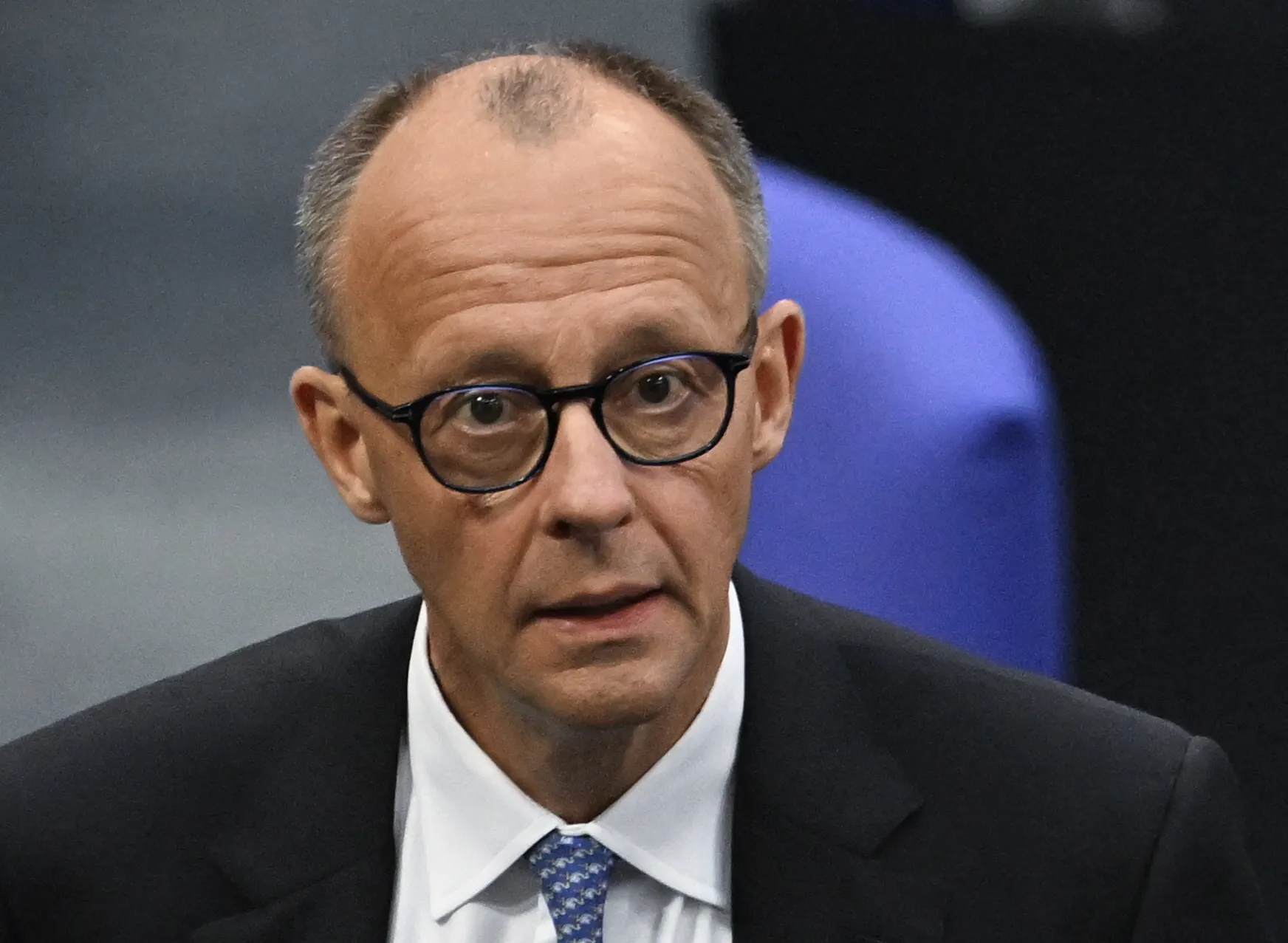
In a significant shift, the discussion in Berlin has moved from integrating Syrian refugees to the possibility of returning them to their home country. Chancellor Friedrich Merz proposed returning 80% of them within three years amid a labor shortage in Germany, sparking widespread debate among economists and politicians.
These statements come ten years after several hundred thousand Syrian refugees arrived in Germany, where the focus was previously on how to integrate them into German society. However, it now appears that the German government is reconsidering its asylum policy, raising concerns about the potential impact on the German economy.
Details of the Proposal
Chancellor Friedrich Merz, representing the Christian Democratic Union, announced plans to return 80% of Syrian refugees to their homeland within three years. This move comes at a time when Germany is experiencing a severe labor shortage, with the German economy facing significant challenges amid global economic changes.
Merz's plan includes offering incentives for refugees to return to Syria, which has elicited mixed reactions among politicians. While some believe this step could help alleviate pressure on the labor market, others argue it could exacerbate humanitarian conditions in Syria.
Background & Context
Historically, Germany has welcomed large numbers of Syrian refugees since the onset of the conflict in Syria in 2011. This group has contributed to strengthening the German economy in recent years, with many working in various sectors. However, political and economic changes in Europe may influence asylum policies in Germany.
In recent years, Germany has seen shifts in its stance on refugees, with some political parties beginning to call for a reduction in the number of refugees. These shifts have impacted public discourse on immigration and asylum, making it challenging for the government to make clear decisions.
Impact & Consequences
The plan to return Syrian refugees raises questions about its impact on the German economy. Many economists have warned that returning such a large number of refugees could worsen the labor shortage, potentially negatively affecting economic growth.
Moreover, returning refugees could exacerbate humanitarian conditions in Syria, where the country continues to suffer from the effects of war. This may provoke negative reactions from the international community, which could view this move as inhumane.
Regional Significance
These developments in Germany are of great importance to the Arab region, as many Arab countries host large numbers of Syrian refugees. Germany's refugee return policy could affect neighboring countries to Syria, such as Lebanon and Jordan, which are already facing economic and social pressures due to hosting refugees.
Additionally, this step could impact relations between Arab countries and Germany, as some nations may perceive this policy as a lack of commitment to humanitarian values. Consequently, the discussion around returning refugees may open the door to further tensions in international relations.
In conclusion, the issue of returning Syrian refugees in Germany emerges as a sensitive topic that requires a delicate balance between humanitarian and economic considerations. As the debate on this issue continues, it remains crucial to monitor developments and their impacts on refugees and the international community.