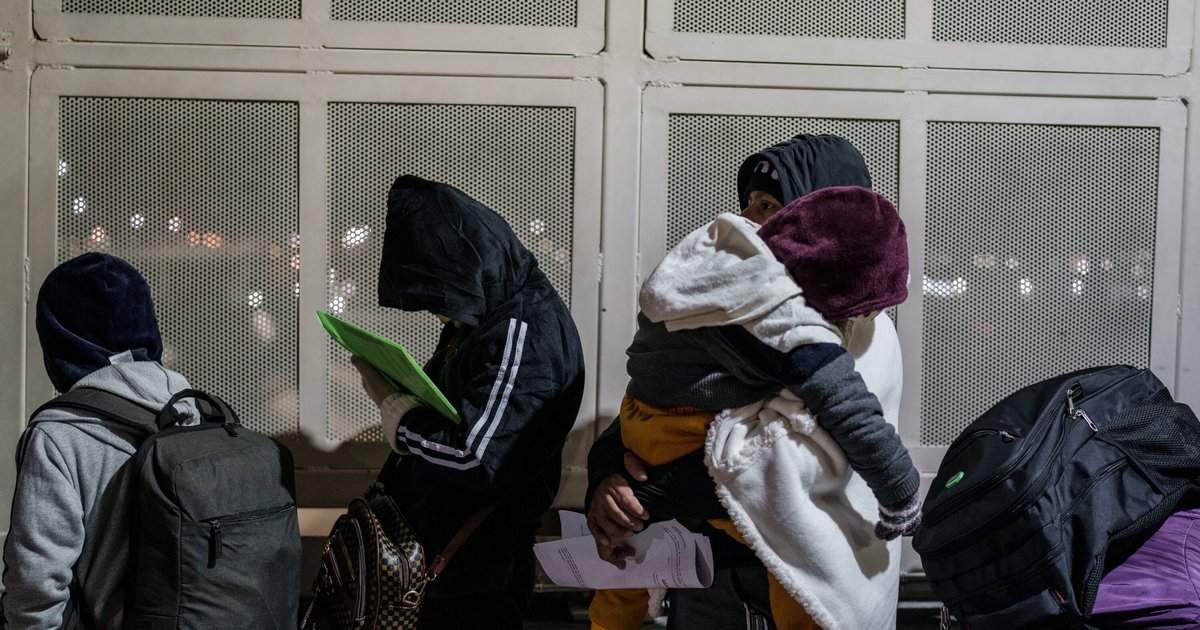
Discussions around the concept of birthright citizenship are intensifying in the United States, with several judges expressing their opinions on this right. These views emerge amid rising political and social tensions regarding immigration and civil rights. In recent years, the United States has witnessed extensive debate over whether to maintain this right, which guarantees citizenship to children born on American soil, regardless of their parents' legal status.
One judge, who remained unnamed, asserted that birthright citizenship is a fundamental right that must be preserved, noting that this right reflects American values of equality and justice. Meanwhile, another judge pointed out that there is a need to review this law in the context of current social and political changes.
Details of the Event
Birthright citizenship pertains to the law that grants citizenship to anyone born on American soil, known as the 14th Amendment of the U.S. Constitution. This law was adopted in 1868 and aims to ensure the rights of new citizens following the Civil War. However, this right faces new challenges amid rising nationalist sentiments and concerns over illegal immigration.
In recent years, some politicians in the United States have attempted to amend or even abolish this law, arguing that it facilitates the entry of illegal immigrants. However, the judges who shared their opinions in this context emphasize that abolishing birthright citizenship could have dire consequences for the rights of children and society as a whole.
Context and Background
Historically, the United States has been viewed as a haven for immigrants, with birthright citizenship considered a fundamental right reflecting values of freedom and equality. However, political and social changes in recent years have led to increased division over immigration issues. In 2016, former President Donald Trump launched a campaign based on promises to tighten immigration laws, sparking widespread debate over immigrant rights.
In this context, the discussion surrounding birthright citizenship is part of a broader dialogue about national identity. Many Americans are concerned about the impact of immigration on culture and the economy, making it essential to reconsider laws related to citizenship.
Impact and Consequences
If birthright citizenship is amended or abolished, it could lead to the creation of a generation of children without citizenship, raising concerns about their civil rights. Additionally, this change could affect international relations, as the United States may be perceived as a country retreating from its democratic values.
Moreover, abolishing birthright citizenship could exacerbate feelings of fear and discrimination against immigrants, negatively impacting American society as a whole. The judges who expressed their opinions assert that preserving birthright citizenship is vital to ensuring the rights of all citizens, regardless of their backgrounds.
Impact on the Arab Region
Issues of citizenship and immigration are sensitive topics in many Arab countries, where some nations are grappling with crises related to refugees and migrants. The discussion on birthright citizenship in the United States may influence how Arab countries address immigration and asylum issues.
Furthermore, American experiences may serve as a model or warning for Arab countries seeking to develop their immigration policies. It is crucial for Arab nations to learn from these experiences to ensure the rights of their citizens and residents.
In conclusion, the topic of birthright citizenship remains a significant point of discussion in the United States, reflecting the challenges faced by communities worldwide. Preserving individuals' rights to citizenship is essential for ensuring justice and equality in any society.