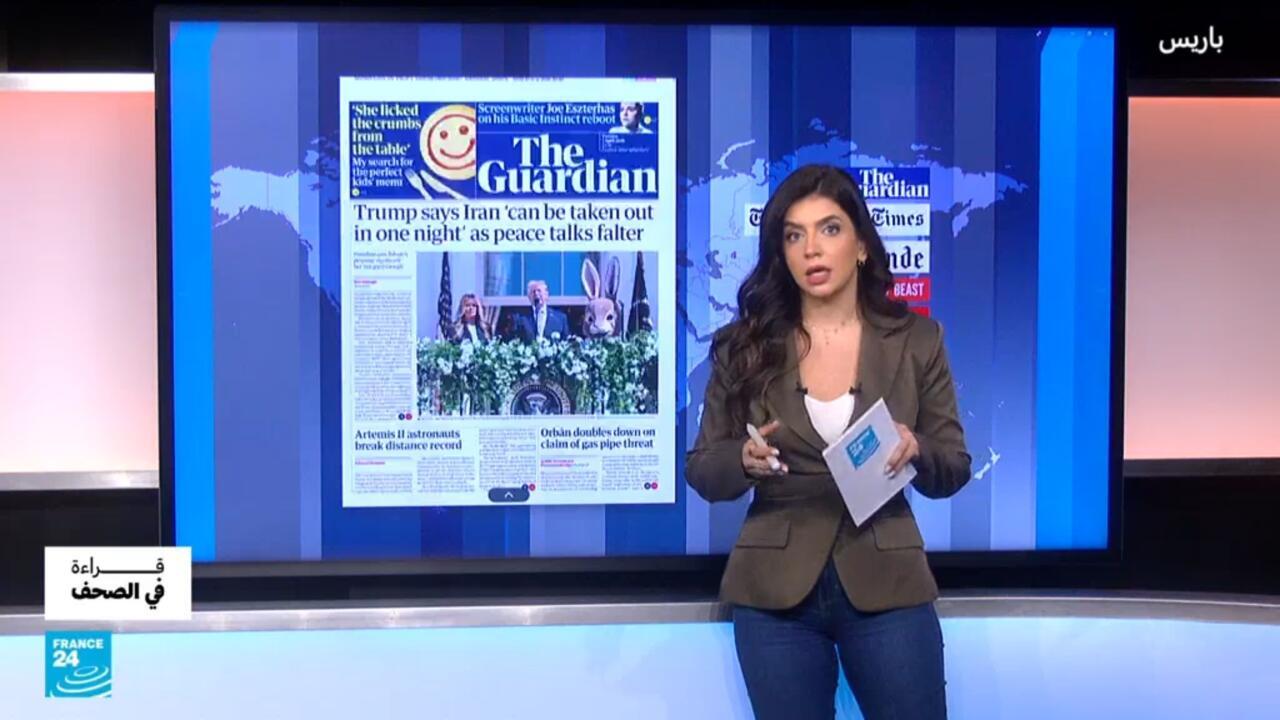
President Donald Trump's decision to suspend an attack on Iran has sparked widespread debate regarding his mental capacity and negotiation strategy. This decision comes at a sensitive time, as political pressures from Democrats are mounting, seeking to leverage this move to fuel discussions about the possibility of his impeachment.
In related news, American newspapers have reported on domestic reactions to this decision, with many observers suggesting that the suspension reflects a state of mental instability in Trump. Some analysts have indicated that this decision may be a result of both internal and external pressures, raising questions about Trump's ability to make strategic decisions on sensitive issues like Iran.
Details of the Event
Opinions vary regarding the impact of this decision on American foreign policy. Some believe that suspending the attack could be a positive step towards easing tensions, while others see it as a sign of weakness in leadership. Meanwhile, Democrats continue to apply pressure on Trump, believing that this step strengthens their position in calls for his impeachment.
American newspapers have also addressed the situation in Lebanon, where political analyses highlight the developments on the ground in the south, alongside ongoing political communications. This situation reflects the challenges facing the Lebanese government amid the multiple crises the country is experiencing.
Background & Context
This debate arises at a time when U.S.-Iranian relations are increasingly strained, as the United States has imposed strict sanctions on Iran in recent years. These sanctions have significantly impacted the Iranian economy, exacerbating internal crises.
In contrast, Iran is seeking to bolster its regional position by supporting its allies in the area, complicating the political landscape further. This ongoing tension between the two countries affects security and stability in the region and influences relations between Arab states and the United States.
Impact & Consequences
Trump's suspension of the attack on Iran could have far-reaching implications for American foreign policy. It may open the door for potential dialogue between the U.S. and Iran, or it could lead to a new escalation of tensions if Iran perceives it as a sign of weakness.
This decision may also impact Trump's standing in the upcoming presidential elections, as Democrats aim to exploit any vulnerabilities that arise in his administration. Furthermore, this debate could reflect on U.S. relations with its allies in the region, who are looking for greater stability in American policy towards the Middle East.
Regional Significance
This debate regarding Trump and his approach towards Iran is a sensitive point for many Arab countries, which are directly affected by the tensions between the U.S. and Iran. Gulf states, for instance, are closely monitoring any changes in American policy, as they believe that regional stability depends on the relationships between these major powers.
In conclusion, the question remains open regarding how these developments will affect the future of American policy in the Middle East. With ongoing internal and external pressures, it seems that the political landscape will remain volatile, requiring all parties to exercise wisdom and flexibility in addressing these challenges.