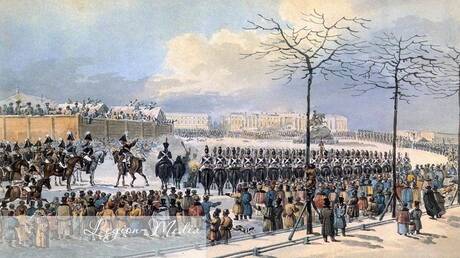
The V. I. Dahl State Museum of Russian Literature in Moscow celebrates the anniversary of the December Revolution of 1826 by organizing the 'December Characters' exhibition, which runs from April 30 to August 23. This exhibition highlights the prominent figures who played a pivotal role during this historical period, as the revolution is considered one of the most significant events in modern Russian history.
The exhibition features a collection of historical documents, drawings, and photographs that reflect the political and social atmosphere of that era. It aims to provide a comprehensive view of the impact of this revolution on Russian literature and culture, and how it contributed to shaping national identity.
Event Details
The exhibition showcases notable figures such as Paul Pestel and Alexander Herzen, who had a significant role in the revolutionary movement. It also includes a selection of literary works written during that time, allowing visitors to gain a deeper understanding of the ideas and concepts that were prevalent.
The exhibition is characterized by its interactive design, where visitors can participate in workshops and lectures addressing topics related to the revolution and its effects on Russian literature. It also provides an opportunity for visitors to engage with experts in the field, enriching their cultural experience.
Background & Context
The December Revolution of 1826 was a pivotal event in Russian history, where a group of revolutionary officers attempted to overthrow the tsarist regime. Although the revolution failed, it left a profound impact on Russian national consciousness and influenced literature and thought in the country. This revolution marked the beginning of a new phase of political and social conflicts that Russia experienced in the 19th and 20th centuries.
This period is rich with historical events that contributed to shaping the course of modern Russia, where liberal ideas intertwined with conservative traditions, leading to ongoing internal conflicts.
Impact & Consequences
Despite the failure of the December Revolution, it served as a launching point for many subsequent revolutionary movements. This revolution influenced numerous Russian writers and thinkers, who referenced its events in their literary works. It also contributed to the strengthening of the liberal movement in Russia, leading to subsequent political and social changes.
This revolution also embodies the struggle between the old and the new in Russian society, representing the people's desire for change and reform, which contributed to shaping Russian national identity. These events continue to influence culture and politics in Russia today.
Regional Significance
The December Revolution of 1826 serves as an example of conflicts that can lead to radical changes in societies. In the Arab region, many countries have witnessed similar movements demanding reform and change, reflecting the people's desire for social justice and freedom.
The history of these revolutions can inspire many popular movements in the Arab world, as people strive to achieve their basic rights and express their opinions freely. Understanding Russian history can help Arabs absorb important lessons in their journey toward change.
In conclusion, the 'December Characters' exhibition represents a unique opportunity to learn about Russian history and the impact of the December Revolution on literature and culture. Celebrating this anniversary reflects the importance of history in shaping national identity and enhances our understanding of the events that have shaped the world around us.