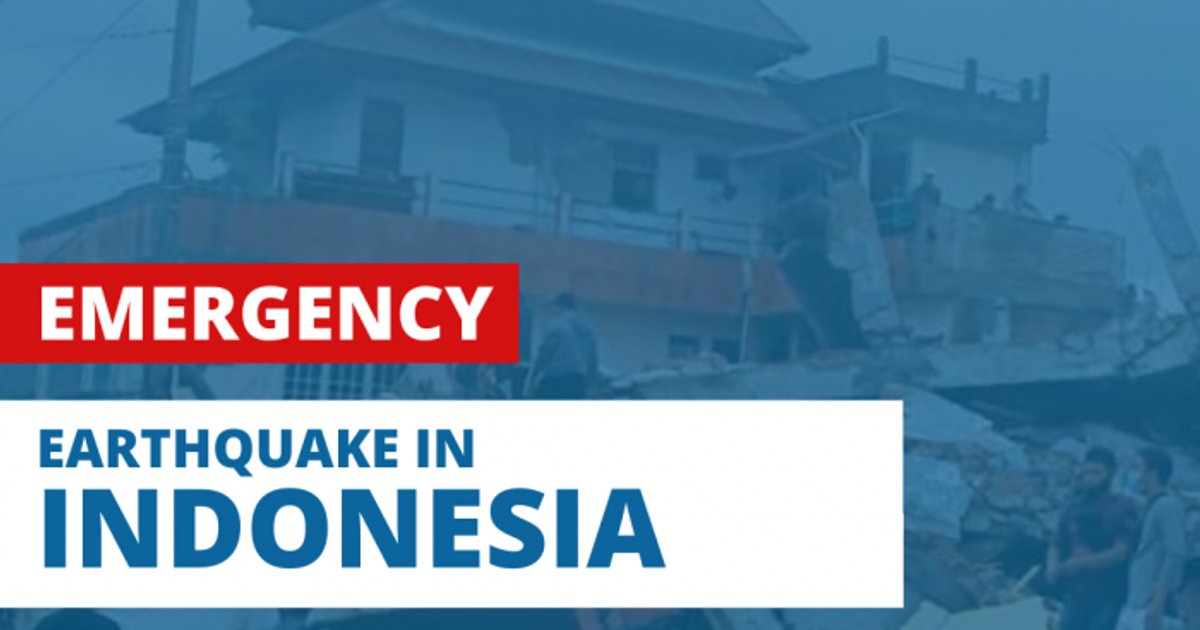
The Indonesian National Disaster Management Agency (BNPB) has declared a state of emergency in the Kudus region of Central Java, effective until May 31, 2026, following a series of severe weather events that have destroyed hundreds of homes. This announcement came after the area experienced heavy rainfall accompanied by strong winds, resulting in significant property damage.
In a statement, Abdul Mahari, head of the Data, Information, and Communication Center at BNPB, confirmed that the emergency status has been documented in an official decree issued by the Kudus governor. This decree includes preparations to address flooding and landslides, as well as the severe storms that have swept through four villages in the Undaan area.
Details of the Incident
The storms have completely destroyed two houses, resulting in injuries to one resident. Reports indicate that emergency teams are assessing the damage in an additional 395 homes, where they are determining the level of destruction to facilitate the rehabilitation process.
These steps are part of the Indonesian government's efforts to enhance coordination between the armed forces, police, and volunteers, aiming to provide immediate assistance to 397 families directly affected by the disaster.
Background & Context
Indonesia is known to be frequently exposed to natural disasters, including floods and landslides, due to its geographical terrain and tropical climate. Historically, the country has witnessed numerous disasters that have led to significant human and material losses, prompting the government to take proactive measures to improve emergency response.
In recent years, the frequency of natural disasters in Indonesia has increased, necessitating the enhancement of response and preparedness capabilities. Studies have shown that climate change plays a significant role in exacerbating these phenomena, calling for new strategies to adapt to them.
Impact & Consequences
The current state of emergency in Kudus is a crucial step to ensure the safety of residents and provide them with the necessary assistance. Strengthening coordination among various entities will enable a faster and more effective response, thereby reducing potential damages in the future.
This situation may also impact economic activities in the region, as businesses may be disrupted and the livelihoods of local residents affected. Therefore, rapid rehabilitation will have a significant impact on restoring normal life in the area.
Regional Significance
Although Indonesia is far from the Arab world, such natural events remind us of the importance of preparedness for disasters. Many Arab countries face similar challenges, especially in areas prone to flooding or sandstorms. Thus, sharing experiences and techniques in disaster management can have a positive impact on all nations.
In conclusion, the state of emergency in Kudus reflects the importance of preparedness and coordination in facing natural disasters. Countries must learn from each other's experiences to enhance their capabilities in dealing with such crises.