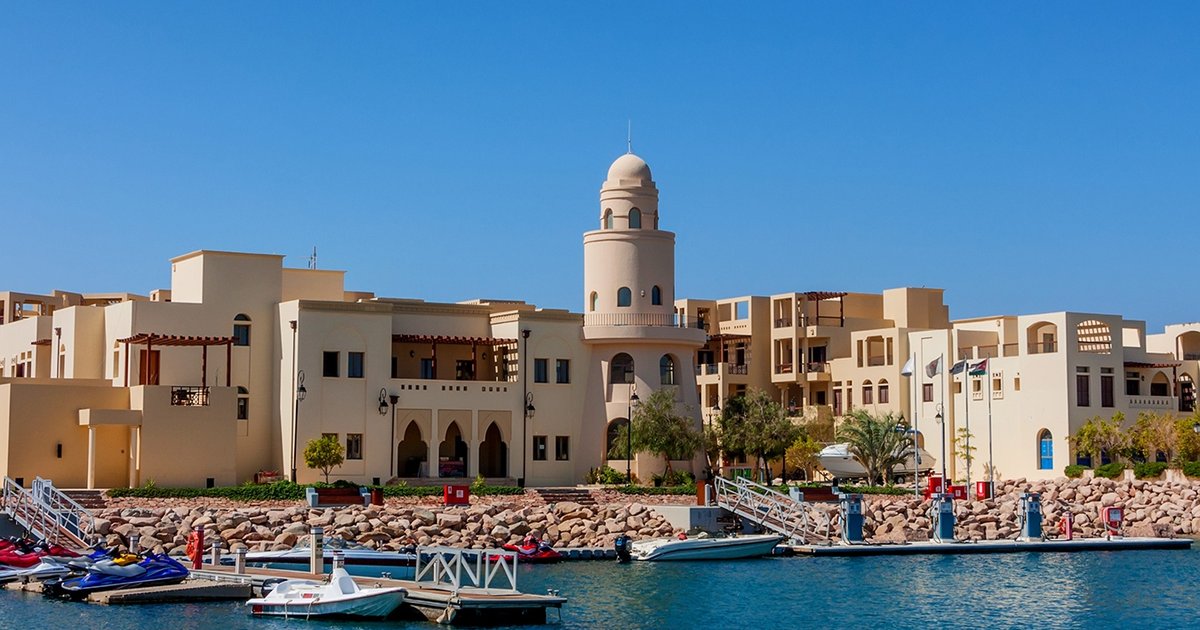
The real estate market in Aqaba, Jordan, has experienced a significant decline, raising fears of potential increases in residential apartment prices in the near future. This downturn comes amid various economic challenges facing the market, with many experts indicating that this decrease may signal negative changes in the real estate sector.
The real estate market in Aqaba is considered one of the vital markets in Jordan, as many investors and citizens rely on it for suitable housing opportunities. However, the current decline in real estate activity is causing concern among investors, who fear that this situation may lead to unjustified price increases in the future.
Details of the Event
Reports indicate that buying and selling activity in the real estate market in Aqaba has significantly decreased in recent months. Many specialists attribute this decline to several factors, including the economic challenges facing Jordan in general, as well as rising construction costs and essential materials.
The decrease in demand for residential apartments in Aqaba may also be linked to changes in lifestyle, as many young people prefer to move to larger cities in search of better job opportunities. This trend could negatively impact the real estate market in Aqaba, heightening investors' concerns.
Background & Context
Historically, the real estate market in Aqaba has experienced periods of prosperity, especially during the years following the development of the city's infrastructure. However, economic and political crises in the region have affected the market's stability. In recent years, Aqaba has seen significant development projects, but these projects have not succeeded in attracting the required investments sufficiently.
The impact of the COVID-19 pandemic has also played a significant role in the decline of real estate activity, as travel and mobility restrictions reduced the number of tourists and foreign investors, negatively affecting the demand for properties.
Impact & Consequences
If the decline in real estate market activity in Aqaba continues, it could lead to a significant increase in residential apartment prices, making them unaffordable for many citizens. This situation may exacerbate the housing crisis in the city, as many residents struggle to find suitable housing at reasonable prices.
Moreover, rising prices could affect future investments in the real estate sector, as investors may hesitate to enter a market suffering from instability. This could lead to a decline in new projects, consequently reducing job opportunities in the sector.
Regional Significance
Aqaba is considered one of the important cities in Jordan, and the decline in its real estate market may have repercussions on the real estate markets in neighboring cities. If this trend continues, it could undermine confidence in real estate investment in the region, impacting overall economic growth.
Additionally, the decline in the real estate market in Aqaba may have social implications, as it could widen the gap between different social classes, fostering feelings of frustration among youth and those seeking housing opportunities.
In light of the current challenges, it is essential for the government and relevant authorities to take effective steps to support the real estate market in Aqaba by encouraging investments and providing incentives for investors, ensuring market stability and achieving sustainable development in the city.