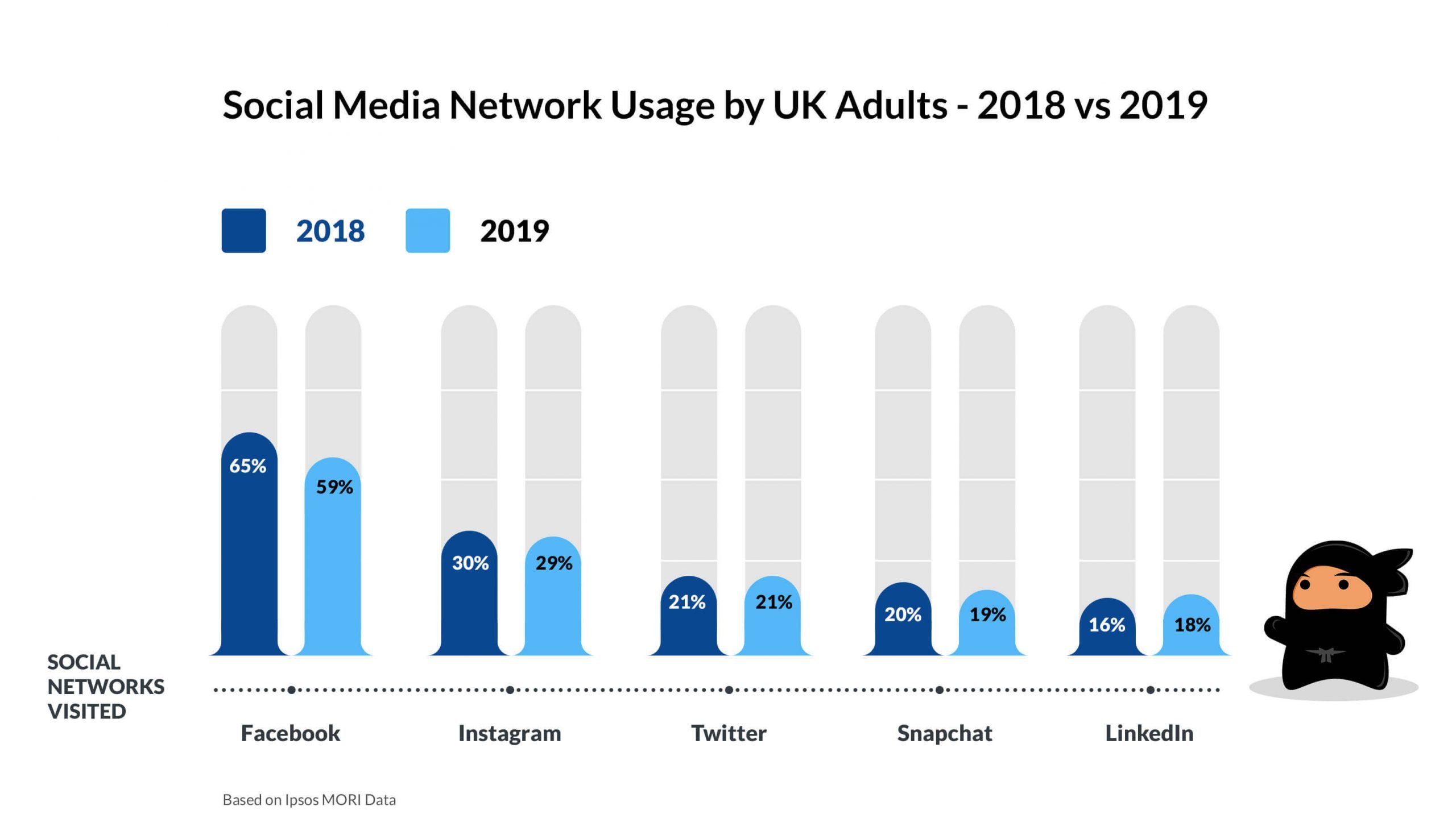
A recent study conducted by the UK communications regulator Ofcom has revealed a significant decline in the number of adults in the United Kingdom who post, comment, or share content on social media. The survey showed that only 49% of participants engage in such activities, compared to 61% in the previous year. This decline reflects a shift in social media usage, as many now prefer short-lived and ephemeral content.
The findings suggest that many users are leaning towards a more passive use of social media, favoring interactions in private spaces such as group chats and direct messages. Social media expert Matt Navarra explained that this change may be driven by people's desire to maintain their digital privacy.
Details of the Study
The Ofcom study also indicated an increase in the use of artificial intelligence tools among adults in the UK, with the percentage rising from 31% in 2024 to 54% in 2025. This increase is largely attributed to younger individuals, with 80% of those aged between 16 and 24 reporting that they use AI tools.
Additionally, the study found that 67% of participants feel they spend too much time on their devices, reflecting growing concerns about the time they spend online. In another report, Ofcom noted that adults in the UK are spending an additional 31 minutes online compared to the COVID-19 pandemic period in 2021.
Background & Context
Social media has undergone significant changes since its inception in the mid-2000s. During that period, there was a massive influx of users posting text updates, photos, and videos, but this is no longer as appealing as it once was. Dr. Isabel Gerard, a digital media professor at the University of Sheffield, pointed out that some young people have started replacing smartphones with simpler phones, reflecting a sense of digital fatigue.
Data shows that 59% of people believe the benefits of the internet outweigh the risks, but this figure has dropped from 72% in the previous year. This decline in optimism reflects a shift in how people view social media.
Impact & Consequences
The results indicate that social media has become less social and more entertaining, with short videos dominating the most popular platforms. Navarra noted that algorithms now control what users see, making content less relevant to their friends and more aligned with content from unknown accounts.
This shift may affect how users interact with content, as they are beginning to act more like viewers rather than participants. This could lead to a decrease in genuine social interaction among individuals.
Regional Significance
In the Arab world, these trends may have significant implications, as social media use among youth continues to rise. With growing concerns about digital privacy, Arab users may also shift towards using platforms more cautiously, which could influence how they engage with digital content.
In conclusion, this trend in the UK signals a broader shift in how social media is used, which may reflect on user behaviors worldwide, including in the Arab region.