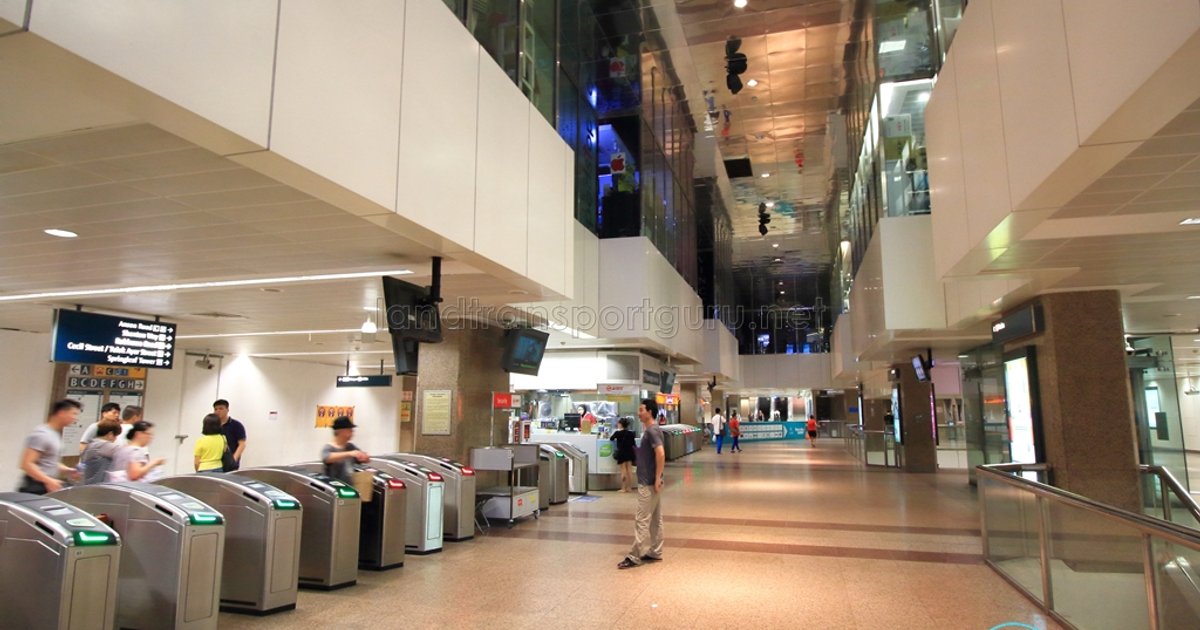
Tanjong Pagar Station in Singapore is experiencing a significant decline in business activity, with most commercial units closing due to uncertainty surrounding rental contracts. This downturn is attributed to the expiration of the current operating license in September 2031, negatively impacting the station's ability to attract new tenants.
During a visit to the station, it was observed that only 15 out of 45 commercial units were occupied, while the others remained closed. Among the occupied units are the Singapore Red Cross Academy, along with some food stalls and a consumer goods store. This decline in business activity reflects the challenges the station faces under the current circumstances.
Details of the Situation
SMRT, the operator of the station, reported that its current operating license, which will expire in September 2031, limits its ability to attract new tenants. The expiration of the operating license was announced in 2016, leading to difficulties in signing long-term rental contracts. Additionally, the station faces competition from new projects such as the Goku Tower, making it even harder to attract tenants.
Some analysts pointed out that SMRT could have made greater efforts to attract tenants earlier, such as improving the commercial space to make it more competitive with surrounding projects. Store owners confirmed that visitor numbers have sharply declined, reporting a revenue drop of between 30% and 50% over the past year.
Background & Context
Tanjong Pagar Station is considered one of the main stations in Singapore's public transport network and previously experienced significant business activity. However, changes in consumer behavior, such as the increase in remote working, have led to a decline in visitor numbers. The uncertainty surrounding rental contracts has also driven many tenants to leave the station, negatively impacting business activity.
The station faces additional challenges due to outdated infrastructure, as many potential tenants require significant upgrades, such as increased electrical capacity and kitchen ventilation systems. These challenges make it difficult for SMRT to attract new tenants, especially amid uncertainty regarding rental durations.
Impact & Consequences
These challenges could lead to negative effects on the local economy, as many business owners rely on the revenue generated by public transport stations. If this decline in business activity continues, it may result in job losses and increased unemployment in the area. Furthermore, the lack of active business may affect the station's image as a vibrant commercial center.
On the other hand, these conditions may prompt SMRT to rethink its strategies for attracting tenants, including improving commercial spaces and offering incentives to potential tenants. Changes in the regulatory framework may also be needed to facilitate the signing of long-term rental contracts.
Regional Significance
This situation serves as an example of the challenges faced by many major cities worldwide, including Arab cities. Economic conditions and regulatory frameworks can impact business activity in urban areas. Additionally, changes in consumer behavior, such as the increase in remote work, may affect many markets in the region.
Ultimately, maintaining business activity in vital areas requires innovative strategies and collaboration among stakeholders. Local authorities and businesses must work together to ensure the continuity of business activity and stimulate economic growth.