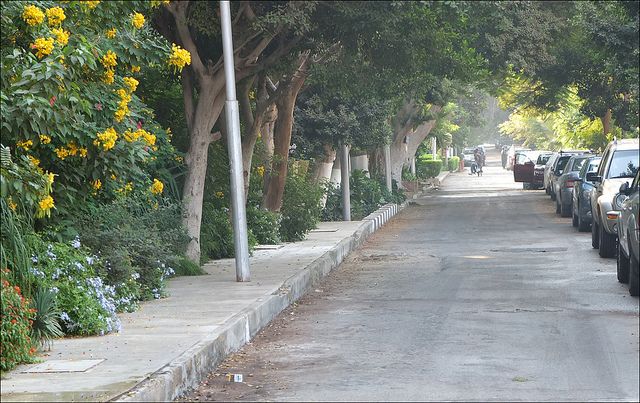
In a notable shift, the streets of Cairo's Maadi district, known for its lush trees and vibrant cafes, are experiencing a lack of activity after dark. Shops, such as the mobile phone store run by Abdul Rahman Mohamed, have been compelled to close their doors before 9 PM, a practice that was uncommon in previous years. Abdul Rahman states, "Cairo is a city that never sleeps, but now we are forced to sleep early."
This move is part of new government directives aimed at addressing the escalating energy crisis, with restrictions imposed on working hours nationwide. These measures have raised widespread concern among business owners and citizens who are accustomed to an active nightlife.
Details of the Situation
The Egyptian government announced these measures as a necessary response to rising energy costs, which have been significantly affected by escalating regional tensions, including ongoing conflicts between Iran, Israel, and the United States. Officials have confirmed that this step aims to reduce energy consumption amid the challenging economic conditions facing the country.
The new regulations include closing shops, commercial centers, and industrial facilities by 9 PM, directly impacting the daily lifestyle of citizens. Many business owners have expressed their dissatisfaction with these restrictions, considering them detrimental to their revenues.
Background & Context
Historically, Egypt has faced numerous economic crises that have affected the lives of its citizens, but the current situation is among the most challenging. The Egyptian economy is under significant pressure due to rising prices of essential goods, compounded by the effects of regional conflicts that impact the stability of the area.
In recent years, the Egyptian government has been striving to improve the economic situation through a series of reforms, but successive crises, including the energy crisis, have reversed progress. Additionally, political tensions in the region, particularly among major powers, complicate the situation further.
Impact & Consequences
The repercussions of these measures extend beyond Cairo, potentially affecting the Egyptian economy as a whole. With the decline in commercial activity, many economic sectors are likely to be impacted, which could lead to increased unemployment rates and a decrease in living standards.
Furthermore, these measures may exacerbate feelings of frustration among citizens, who are already grappling with economic pressures. As discontent grows, the government may face greater challenges in managing social and political conditions.
Regional Significance
The situation in Cairo mirrors the challenges faced by many Arab countries amid economic and political crises. As regional tensions escalate, citizens in various Arab nations are experiencing similar pressures, highlighting the urgent need for effective strategies to address these crises.
Ultimately, the circumstances in Cairo serve as an example of the challenges confronting the Arab region, where the current situation demands a comprehensive response from governments and communities to overcome crises and achieve stability.