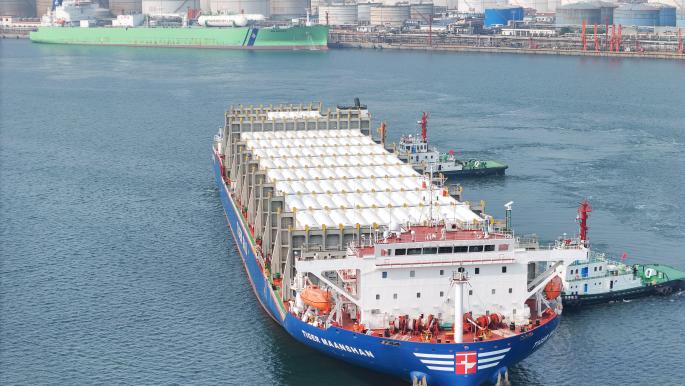
Concerns are escalating in global markets regarding the decline in Chinese demand for liquefied natural gas, with reports indicating that hopes for a strong recovery in this sector are diminishing. Despite the announcement of a ceasefire in certain areas, this has not been sufficient to stimulate demand in the world's largest natural gas consumer.
Data indicates that China, which was previously a major driver of demand growth for gas, is facing economic challenges that are affecting its consumption. These challenges include a slowdown in economic growth, which negatively impacts overall energy consumption.
Details of the Event
In recent weeks, markets have observed a significant decrease in Chinese demand for natural gas, with statistics showing a drop of up to 10% compared to the same period last year. This decline comes at a time when global gas prices have seen notable increases, adding pressure on consumers and importers.
Despite earlier forecasts suggesting a recovery in demand following the easing of COVID-19 restrictions, the current reality shows that the recovery may be slower than expected. This situation raises concerns among many analysts who believe that prices may continue to fluctuate under these circumstances.
Background & Context
Historically, China has heavily relied on natural gas as a primary energy source, aiming to reduce its dependence on coal. However, the current economic challenges, including rising production costs and inflationary pressures, have led to a reevaluation of the country's energy strategies.
In recent years, China has witnessed massive investments in liquefied natural gas projects, making it one of the largest importers globally. However, changes in economic and environmental policies could lead to significant shifts in this trend, impacting global markets.
Impact & Consequences
The decline in Chinese demand for natural gas directly affects global prices, with analysts expecting prices to continue fluctuating amid demand instability. This situation could increase pressure on exporting countries, particularly in the Middle East, which heavily rely on gas revenues.
Moreover, the drop in demand may impact future investments in natural gas projects, potentially hindering economic development plans in many countries. This situation could exacerbate economic crises in some nations that depend on gas exports as a primary source of revenue.
Regional Significance
Arab countries, especially those rich in gas such as Qatar and Algeria, are among the most affected by the decline in Chinese demand. The drop in prices could impact revenues, negatively reflecting on the public budgets of these countries.
At the same time, some of these countries may seek to diversify their markets and increase exports to other regions such as Europe and Asia, in an attempt to compensate for losses resulting from the decline in Chinese demand. This shift could lead to a reshaping of the global gas trade map.
In conclusion, the situation in natural gas markets remains volatile, with increasing concerns about the continued decline in Chinese demand. It requires close monitoring of economic and political developments in the region, as these could significantly affect global prices.