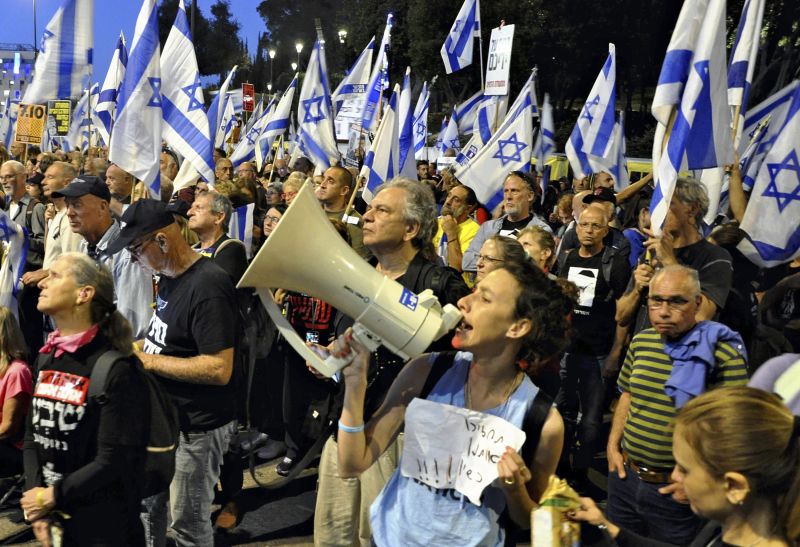
In a notable shift, Israeli youth enthusiasm for engaging in protests against Prime Minister Benjamin Netanyahu has diminished, reflecting profound changes in the political and social landscape of the country. Many young people are feeling frustrated and hopeless about the possibility of achieving real change through these protests.
While protests against Netanyahu were strong in previous years, opinion polls indicate a growing sense of frustration among the youth, prompting them to seek alternative means of expressing their views. This decline in participation reflects a general sentiment of futility regarding protests, as many believe that the government will not change easily.
Details of the Shift in Youth Engagement
Research shows that Israeli youth who were once at the forefront of protests against Netanyahu are beginning to withdraw from the scene. Previously, there were large crowds of demonstrators, but numbers have significantly decreased. This decline reflects a widespread feeling of futility, with many believing that political change is not within reach.
Moreover, social and economic factors are playing a role in this change. Israel has experienced significant changes in recent years, including economic and security challenges, which have affected the priorities of young people, many of whom prefer to focus on their personal and professional lives rather than engage in politics.
Background & Context
Historically, protests against Israeli governments have been part of the political culture in the country. However, recent years have seen significant changes in this context. Despite the severe criticisms faced by Netanyahu due to his policies, many young people are starting to lose faith in the ability of protests to bring about change.
This shift in attitudes may have roots in the economic and social crises the country has faced, such as rising living costs and economic pressures that have forced youth to reevaluate their priorities.
Impact & Consequences
This decline in youth enthusiasm could have far-reaching effects on Israeli politics. If this trend continues, it may lead to reduced pressure on the government, granting Netanyahu more freedom in making political decisions without worrying about public backlash. Additionally, this decline may give rise to new political movements seeking to attract youth by offering innovative alternatives, potentially contributing to the emergence of new political leaders aiming to reignite enthusiasm among the youth.
As the political landscape shifts, the implications of this disengagement could reshape the future of activism and political engagement in Israel.
Regional Significance
The implications of these changes extend beyond Israeli politics, potentially affecting Israel's relations with Arab countries. As youth engagement in protests wanes, the dynamics of political discourse in the region may evolve, influencing how Israel interacts with its neighbors.
This topic reflects a transformation in the general mood of Israeli youth, which could significantly impact the political scene in Israel and its regional relationships.