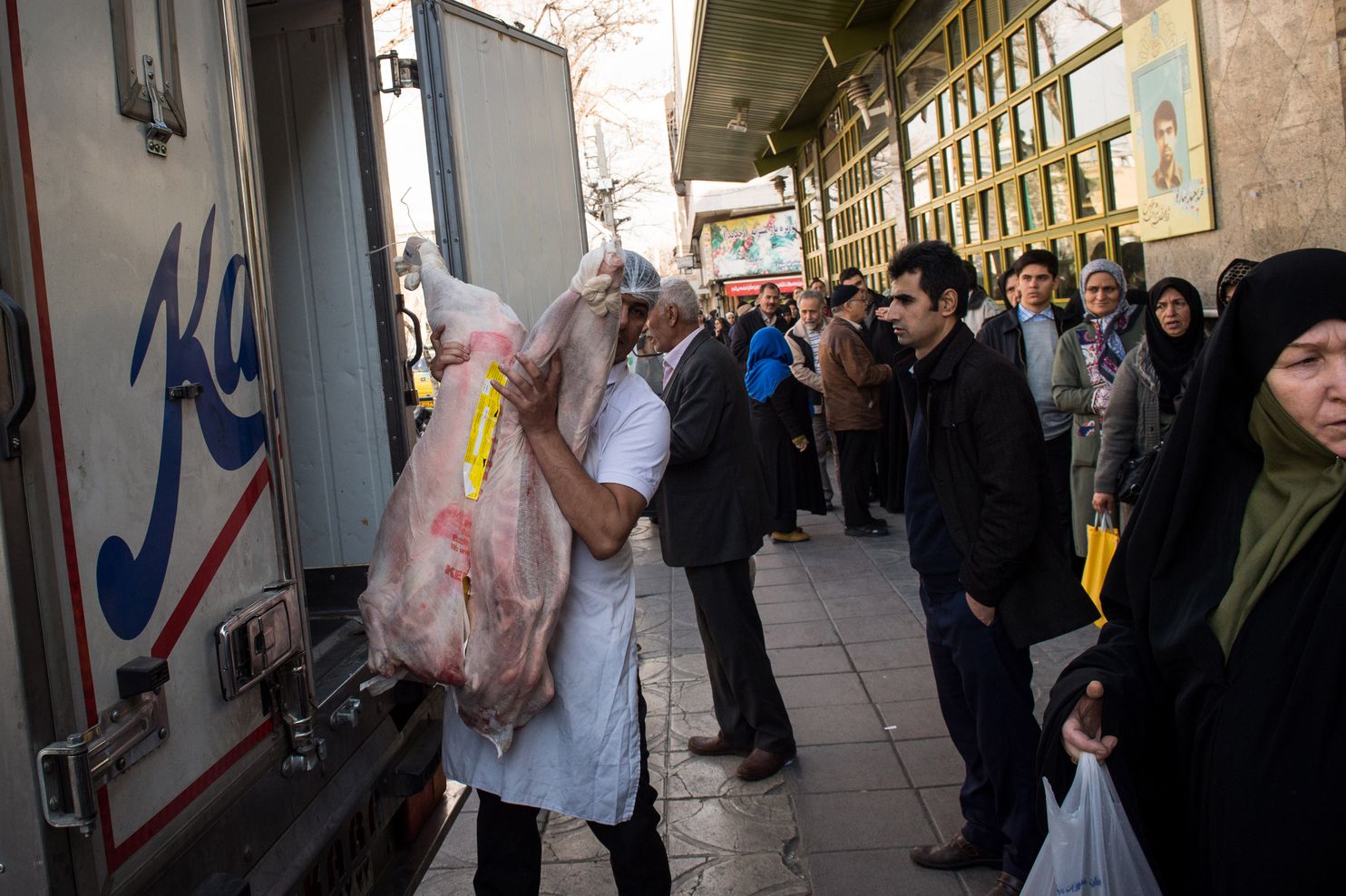
Demand for labor in foreign markets has dropped by up to 30% due to escalating tensions from the war in Iran. This decline raises concerns among job seekers looking for opportunities abroad, as many Arab youth relied on these opportunities to improve their economic situations.
Reports indicate that the ongoing conflict in Iran has significantly impacted labor movement, leading to a reduction in available opportunities in many countries that previously attracted Arab labor. This situation reflects the economic and social challenges faced by youth in the region.
Details of the Event
Amid the escalating conflict in Iran, many countries that used to receive Arab labor have witnessed a decline in demand for workers. Data has shown that this decrease is not limited to one country but encompasses a range of nations that relied on foreign labor to meet labor market needs.
Additionally, global economic conditions, including inflation and rising energy prices, have contributed to the reduction of available job opportunities. Many experts have pointed out that these combined factors could exacerbate the unemployment crisis in Arab countries.
Background & Context
Historically, Gulf countries have been prominent destinations for Arab labor, offering attractive job opportunities in various fields such as construction and services. However, political and economic crises in the region, including the conflict in Iran, have directly affected these dynamics.
It is noteworthy that many Arab countries suffer from high unemployment rates, prompting youth to seek job opportunities abroad as a viable option to improve their living conditions. However, current circumstances may make achieving this goal difficult.
Impact & Consequences
The decline in demand for labor abroad serves as an early warning for many Arab countries, as it may lead to worsening unemployment crises and increased economic pressures on families. This situation could also contribute to a rise in illegal immigration, as youth seek job opportunities in unsafe locations.
Furthermore, this decline may impact remittances that were previously sent by overseas workers, which could negatively affect the local economy and increase pressures on governments to provide new job opportunities.
Regional Significance
The impact of the conflict in Iran on the Arab labor market highlights the urgent need for new employment and economic development strategies. Arab governments must work to enhance local working environments and provide sustainable job opportunities for youth.
The current situation also requires greater coordination among Arab countries to share experiences and resources, which could help improve job opportunities and reduce reliance on foreign labor.
In conclusion, the decline in demand for labor abroad is a direct result of regional tensions, necessitating a swift response from Arab countries to address these challenges and improve economic conditions for youth.