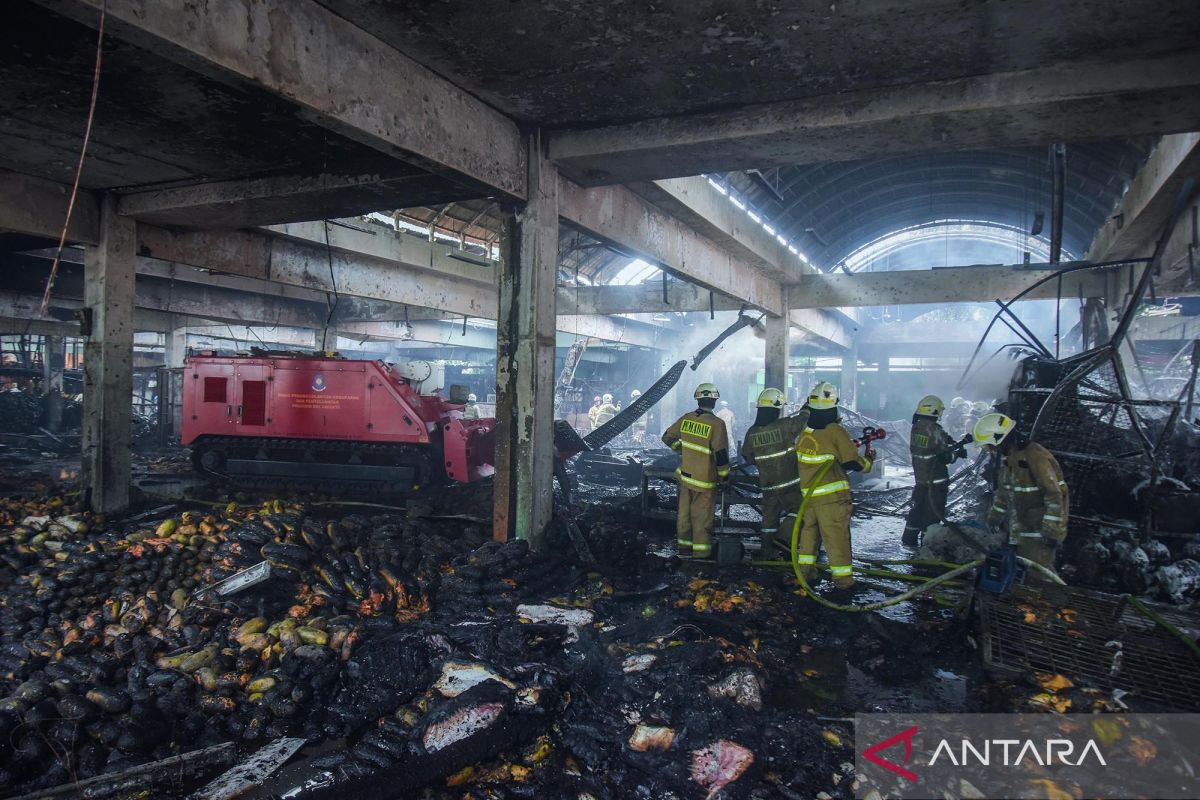
Sales at the Kramat Jati market in the Indonesian capital of Jakarta have seen a significant decline of up to 30% due to a waste pile in the market, which has reached a height of about six meters. Traders have noted that this situation has greatly impacted buying and selling activities, as customers are avoiding visits to the market due to the foul odors and difficulty accessing the sales areas.
One trader, Siyaful, explained that the waste accumulation has led to a drop in customer numbers, especially during peak hours that usually witness significant commercial activity. He confirmed that customers have become hesitant to enter the market, negatively affecting his sales.
Details of the Situation
Complaints from traders at Kramat Jati market about the waste pileup are increasing, with another trader, Narto, indicating that the situation has persisted for a long time without any clear solutions. He explained that the unpleasant odors make it difficult for customers to approach the market, leading to a decline in sales activity.
Although the market management conducts daily waste removal operations, the increasing volume of waste renders these efforts insufficient. Traders have pointed out that this situation affects their health and that of the customers, as the risk of diseases rises due to the waste accumulation.
Background & Context
The Kramat Jati market is considered one of the main markets in Jakarta, attracting many customers daily. However, the increasing waste in the area reflects a larger problem related to waste management in the city. Jakarta faces significant challenges in waste management, with the quantities produced daily rising, necessitating effective strategies to address them.
Historically, Jakarta has faced infrastructure issues related to waste management, exacerbating conditions in many markets and residential areas. Several initiatives have been launched to improve waste management, but the results have not been sufficient thus far.
Impact & Consequences
The waste pileup at Kramat Jati market significantly impacts the local economy, as traders' incomes decline, affecting their ability to pay rents and fees. Additionally, the decrease in sales activity may lead to job losses in the market, increasing economic pressures on families that rely on these commercial activities.
Moreover, the increasing waste poses a health risk to both traders and customers. The foul odors and accumulated waste could lead to the spread of diseases, requiring urgent intervention from local authorities to improve the situation.
Regional Significance
The waste management problem is a vital issue that many Arab countries also face. Many Arab cities are witnessing an increase in waste quantities, necessitating effective strategies to manage them. Jakarta's experience can serve as an important lesson for Arab countries on how to tackle this issue.
In conclusion, the situation at Kramat Jati market requires urgent action from local authorities to ensure improved health and economic conditions for traders and customers. Addressing the waste problem is not just a local responsibility but a collective one that requires everyone's cooperation.