The recent decline in negotiations between the United States and Iran has led to a notable increase in the value of the US dollar. This development comes at a critical time as both nations seek to reach an agreement regarding Iran's nuclear program. The downturn in talks has raised concerns in financial markets, prompting investors to seek safe havens like the dollar.
According to reports, discussions aimed at reviving the 2015 nuclear agreement have faced new obstacles that have halted progress. This news emerged at a time when markets were anticipating advancements in negotiations, resulting in swift reactions in currency markets.
Details of the Situation
Pressure on the US dollar has increased following recent economic data showing improvements in the American economy, enhancing the appeal of the US currency. However, geopolitical tensions related to negotiations with Iran have significantly impacted the markets. Analysts have indicated that any setback in talks could lead to increased volatility in financial markets.
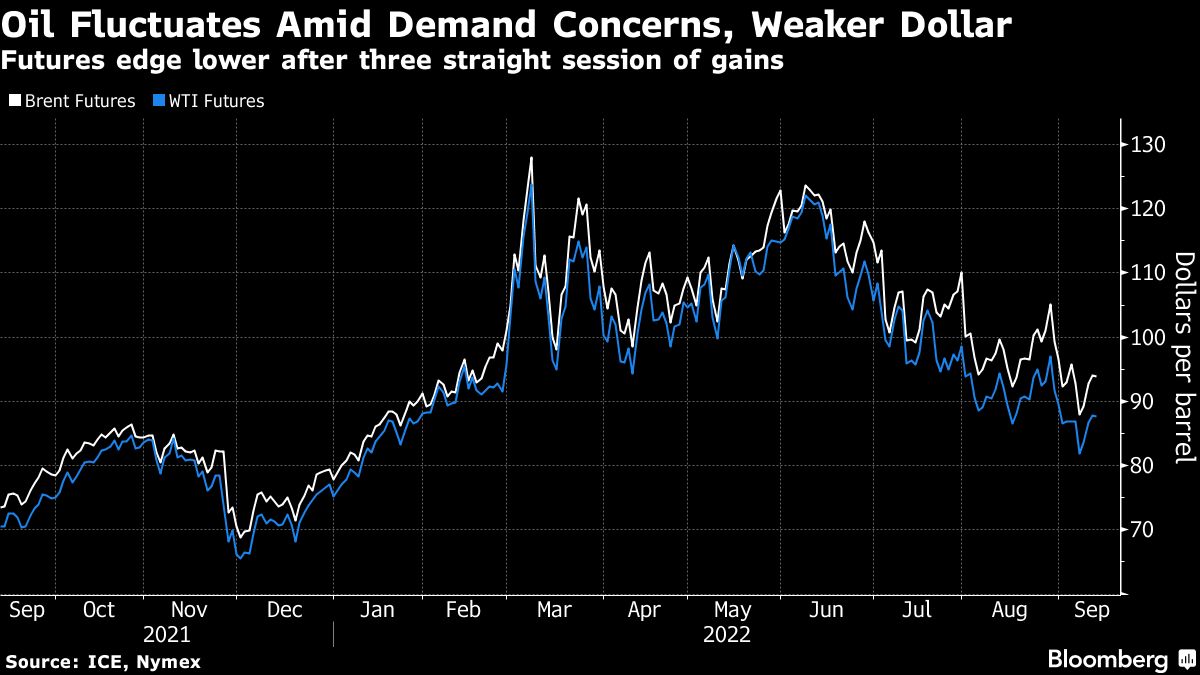
Furthermore, the decline in negotiations could negatively affect oil prices, as Iran is a key player in the global oil market. Therefore, any escalation in tensions could lead to rising oil prices, impacting the global economy.
Background & Context
Historically, relations between the United States and Iran have been strained since the Iranian Revolution in 1979. These relations have seen many fluctuations, with the US attempting to impose sanctions on Iran due to its nuclear program. In 2015, a nuclear agreement was reached between Iran and major powers, but the US withdrawal from the agreement in 2018 escalated tensions once again.
In recent years, there have been attempts to revive negotiations, but political and economic obstacles remain. These conditions make it difficult to reach a comprehensive agreement that satisfies all parties involved.
Impact & Consequences
These developments could lead to increased volatility in financial markets, as investors seek to protect their assets from potential risks. Additionally, the rising dollar may adversely affect developing countries that rely on the dollar for trade, potentially exacerbating economic crises in some of these nations.
Moreover, the ongoing tensions between the United States and Iran could lead to potential military escalation, increasing instability in the region. This situation could affect oil prices and lead to rising inflation in many countries.
Regional Significance
The Arab countries neighboring Iran and the United States are among the most affected by the current developments. Any escalation in tensions could impact the overall stability of the region. Additionally, rising oil prices resulting from these tensions could affect the economies of Arab countries that heavily rely on oil exports.
In conclusion, the political and economic landscape in the region remains complex, with various interests overlapping and affecting market stability. It is crucial to monitor the developments in negotiations between the United States and Iran, as their outcomes could have far-reaching implications for the global economy.