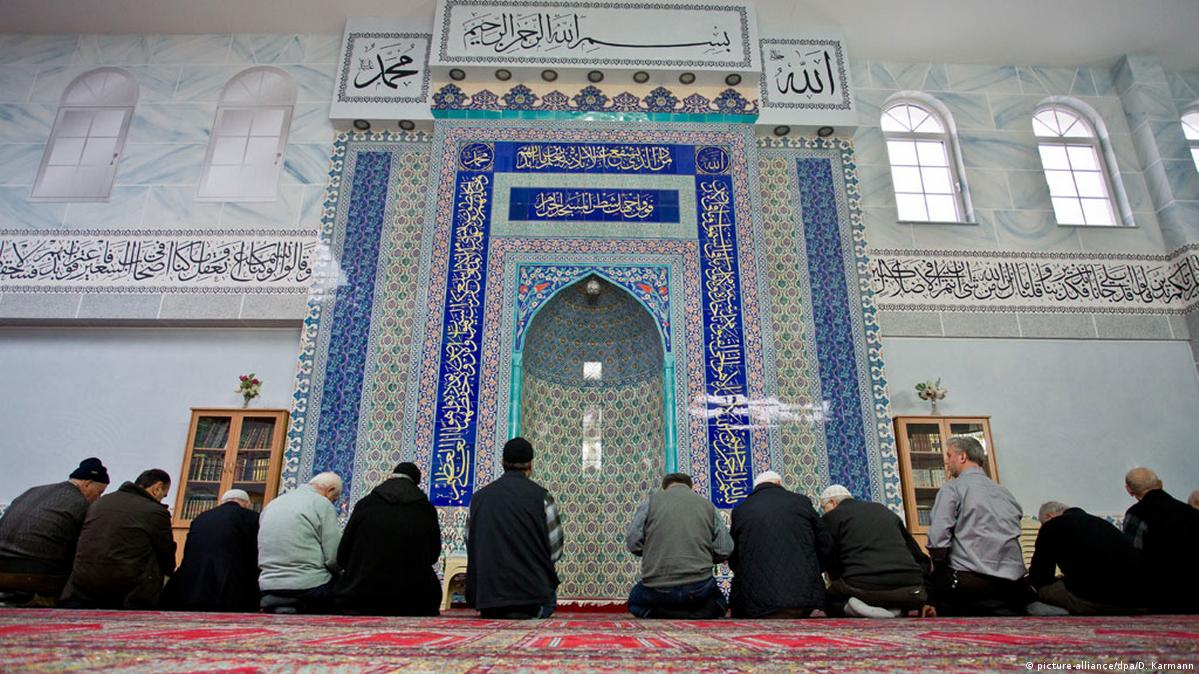
Germany has seen a remarkable transformation in its religious landscape in recent years, with the closure of Christian churches occurring one after another, while the number of other religious temples continues to rise. This phenomenon includes Islamic mosques and Jewish synagogues, as well as Hindu and Buddhist places of worship, reflecting profound demographic and cultural changes in German society.
Christian churches, which have historically represented a core part of cultural and religious identity in Germany, are in a state of continuous decline. According to recent reports, over 500 churches have been closed in recent years, raising questions about the future of Christianity in the country. In contrast, the number of mosques and synagogues is increasing, reflecting the growing Islamic and Jewish communities in Germany.
Details of the Event
Statistics indicate that the number of closed churches in Germany has risen significantly, representing part of a broader decline in traditional religious affiliation within society. Conversely, Islamic mosques and Jewish synagogues continue to expand, with many new temples opening in various German cities.
This change in the religious landscape also reflects social and economic changes in the country, with an increasing population of non-German origin leading to greater religious and cultural diversity. Studies have shown that the new generation of Germans tends to distance themselves from traditional religion, contributing to the closure of churches.
Background & Context
Historically, Christian churches have been considered centers of social and religious life in Germany. However, demographic changes in the country, including increased immigration from predominantly Muslim countries, have contributed to altering this landscape. In recent years, it has become evident that Islamic and Jewish communities are gaining strength and influence, reflecting a shift in values and beliefs.
These transformations are part of a broader phenomenon affecting many European countries, where traditional religion faces significant challenges amid social and cultural changes. The rise of secularism in Western societies also contributes to the diminishing role of religion in daily life.
Impact & Consequences
These transformations significantly impact German society, raising questions about national and religious identity. The closure of churches may lead to a loss of cultural identity for many Germans, while the increase in other religious temples may enhance cultural and religious diversity in the country.
This phenomenon may also affect German politics, potentially leading to changes in policies related to immigration and integration. It is crucial for the German government to adopt policies that support peaceful coexistence among different religions and cultures.
Regional Significance
This phenomenon holds particular importance for the Arab region, as it reflects religious and cultural changes that may influence relations between Arab countries and Germany. The growing Islamic communities in Germany may strengthen cultural and religious ties between Arabs and Germans, contributing to enhanced mutual understanding.
At the same time, there should be efforts to promote dialogue between religions and cultures to ensure peaceful coexistence and avoid any tensions that may arise from these transformations.
In conclusion, the religious transformations in Germany represent a complex phenomenon that requires a deep understanding of the social and cultural contexts. It is essential to approach these changes with caution and awareness to ensure a sustainable future for religious and cultural diversity in the country.