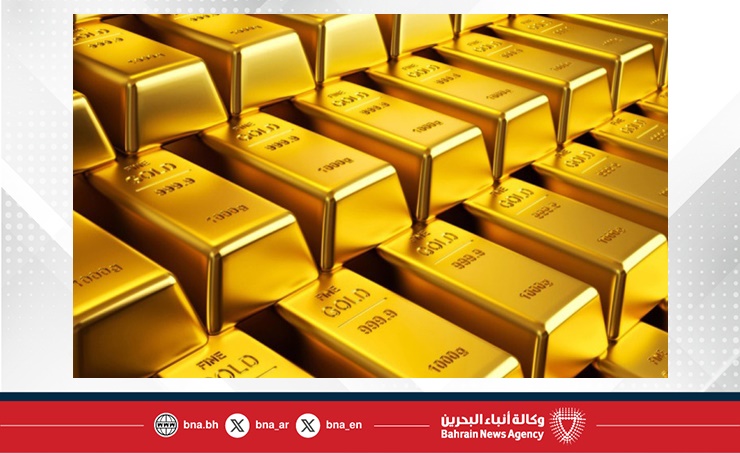
Gold prices are experiencing an unexpected decline despite rising geopolitical tensions, raising questions about the traditional relationship between the precious metal as a safe haven and global crises. This downturn reflects a shift in investor behavior under liquidity pressure.
While gold prices were expected to rise with escalating crises, the precious metal has entered a sudden downward trend. This phenomenon reflects deeper shifts in investor behavior, as they seem to be repositioning themselves amid increasing financial pressures.
Event Details
In recent weeks, global markets have witnessed sharp fluctuations due to escalating geopolitical crises, including tensions between major powers and regional conflicts. Despite these circumstances, gold prices have not risen as anticipated; instead, they have dropped significantly. This decline indicates gold's inability to maintain its status as a safe haven during times of crisis, raising questions about the future of this precious metal in global markets.
Reports indicate that investors have begun to reassess their investments in gold, preferring to seek more cash liquidity rather than holding onto gold. This trend may be driven by the economic pressures faced by many countries, making investors more cautious in their investment decisions.
Background & Context
Gold has long been considered a safe haven for investors during times of crisis, with many turning to it to protect their wealth from market fluctuations. However, the relationship between gold and geopolitical crises appears to be unraveling, as investors become more aware of the economic and financial changes affecting the market.
In recent years, we have witnessed numerous events impacting gold prices, ranging from global financial crises to geopolitical tensions. However, the current changes in investor behavior suggest a shift in how they engage with gold, which could affect precious metals markets in the future.
Impact & Consequences
The decline in gold prices serves as a warning bell for financial markets, indicating that investors may be more willing to abandon gold as a safe haven. This trend could lead to greater volatility in the markets, potentially causing a loss of confidence in the precious metal.
Moreover, this decline could impact countries that heavily rely on gold exports, leading to broader economic repercussions. Additionally, falling gold prices may affect investments in sectors related to the metal, such as mining and refining.
Regional Significance
The Arab region is among the largest gold producers in the world, with gold exports playing a significant role in the economies of many countries. With declining prices, these nations may face new economic challenges, potentially affecting both local and foreign investments.
Furthermore, the drop in gold prices could impact individuals who invest in the precious metal as a means of protecting their savings. Given the current economic conditions, many may find themselves compelled to reassess their investments, which could lead to a decrease in demand for gold in the region.
In conclusion, the decline in gold prices amid geopolitical crises raises questions about the future of the precious metal as a safe haven. As investors seek to reposition themselves, the critical question remains: will gold continue to lose its traditional status in global markets?